Aviation Shifts: Flights Reroute Around Iran Amid Tensions
Commercial flights are increasingly rerouting to avoid Iranian airspace amid escalating geopolitical tensions in the Middle East. This shift impacts airlines through increased costs and passengers via longer travel times, highlighting the direct link between global events and air travel safety.

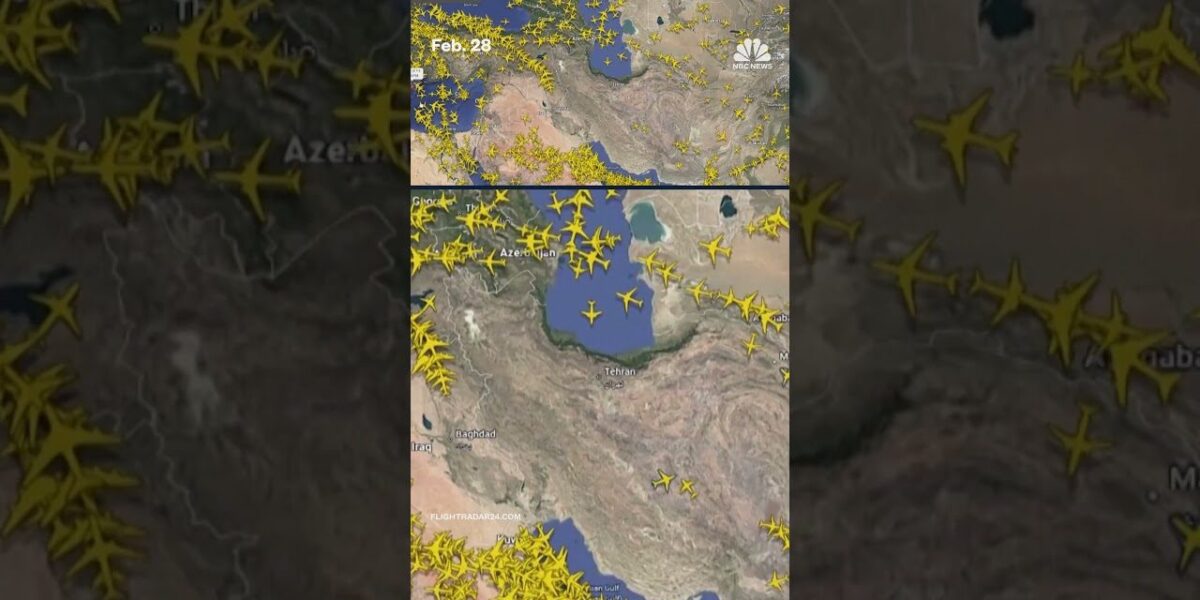
Global Air Traffic Adjusts Amidst Middle East Volatility
In recent days, a noticeable shift has occurred in global air traffic patterns, with numerous commercial flights actively rerouting to avoid flying over Iranian airspace. This significant adjustment, captured and visualized through flight tracking data, underscores the escalating geopolitical tensions in the Middle East and their tangible impact on international travel and commerce. The rerouting, which began to intensify following recent escalations, highlights the delicate balance between operational efficiency and the imperative of passenger safety in a volatile region.
Why the Reroute? Analyzing the Geopolitical Drivers
The decision by airlines to steer clear of Iranian airspace is a direct response to heightened military activity and rhetoric emanating from the region. While specific incidents driving the most recent surge in rerouting are often not publicly detailed by airlines for security reasons, the broader context involves the ongoing strategic competition and potential for conflict involving Iran and its adversaries. Such tensions create an elevated risk environment, making it prudent for civilian aviation to seek safer transit routes. Flight tracking websites have provided real-time visual evidence of this phenomenon, showcasing a clear pattern of aircraft opting for detours, often adding significant time and fuel costs to their journeys.
“Safety is always the paramount concern for any airline. When geopolitical situations create even a perceived risk, we reassess our flight paths to ensure the well-being of our passengers and crew.”
Impact on Airlines and Passengers
The rerouting of flights carries substantial implications for the aviation industry. Extended flight times translate directly into increased fuel consumption, higher operational costs, and potential disruptions to schedules. For passengers, this can mean longer journeys, increased fatigue, and sometimes, higher ticket prices as airlines seek to recoup additional expenses. The animation of flight paths clearly illustrates these detours, showing aircraft taking wider arcs over neighboring countries or the sea to bypass Iran. This visual data serves as a stark reminder of how global events can directly affect the daily lives of travelers.
Historical Precedents and Regional Flight Concerns
This is not the first time that tensions in the Middle East have prompted significant changes in flight paths. Following the downing of Malaysia Airlines Flight 17 over Ukraine in 2014, and earlier incidents involving Iran, the International Civil Aviation Organization (ICAO) and individual nations have issued guidance and warnings regarding the risks of flying over conflict zones. Airlines have become increasingly sophisticated in their use of real-time threat assessments and flight planning software to navigate these complex environments. The current situation echoes these past concerns, emphasizing the need for continuous monitoring and adaptation by the global aviation community.
Expert Analysis and Future Outlook
Aviation analysts suggest that such rerouting can become a sustained practice as long as geopolitical uncertainties persist in the region. The economic impact on airlines, particularly those heavily reliant on routes that traverse the Middle East, could be considerable if these detours become long-term. Furthermore, the environmental consequences of increased fuel burn due to longer flights are also a growing concern within the industry. The International Air Transport Association (IATA) and other regulatory bodies continually review safety advisories, and airlines meticulously analyze these to make informed decisions about their operational routes.
What to Watch Next
The situation remains fluid, and the duration of these flight path adjustments will likely depend on the de-escalation of regional tensions and the issuance of clear safety guidance by international aviation authorities. Travelers planning journeys through the Middle East are advised to stay informed about potential schedule changes and flight duration impacts. The ongoing monitoring of flight tracking data will continue to offer insights into the evolving dynamics of international aviation in response to geopolitical events.
Source: Flight animation shows planes avoiding Iranian airspace (YouTube)

Related Articles

Trump’s Middle East Gambit: Escalation or Empty Threat?
The US is sending troops and imposing a blockade in the Middle East, signaling escalation. Yet, conflicting messages from Donald Trump suggest peace is near. This analysis explores the contradictory actions, Iran's defiant response, and the potential global economic and political fallout.


Oil Prices Surge to $91 Amid Geopolitical Tensions
Oil prices have surged to $91 a barrel, driven by disruptions in the Strait of Hormuz. This is leading to higher gas prices across the U.S., with California facing particularly steep costs. The situation is fueling debate on energy policy, exports, and the transition to renewable fuels.


China’s Iran Gambit: Deception or a New World Order?
President Trump claims China will stop sending weapons to Iran, but deep skepticism remains due to China's past support and use of spy satellites to aid Iran. This move could be a strategic ploy to weaken the US military.