US & Israel Launch Major Offensive Against Iran
The United States and Israel have launched a major, coordinated military offensive targeting Iran, aiming for regime change. Initial strikes hit key military and government facilities, with reports suggesting Iran's Supreme Leader may have been killed. Iran has responded with drone and missile attacks on regional bases, while fears of proxy network escalation loom.

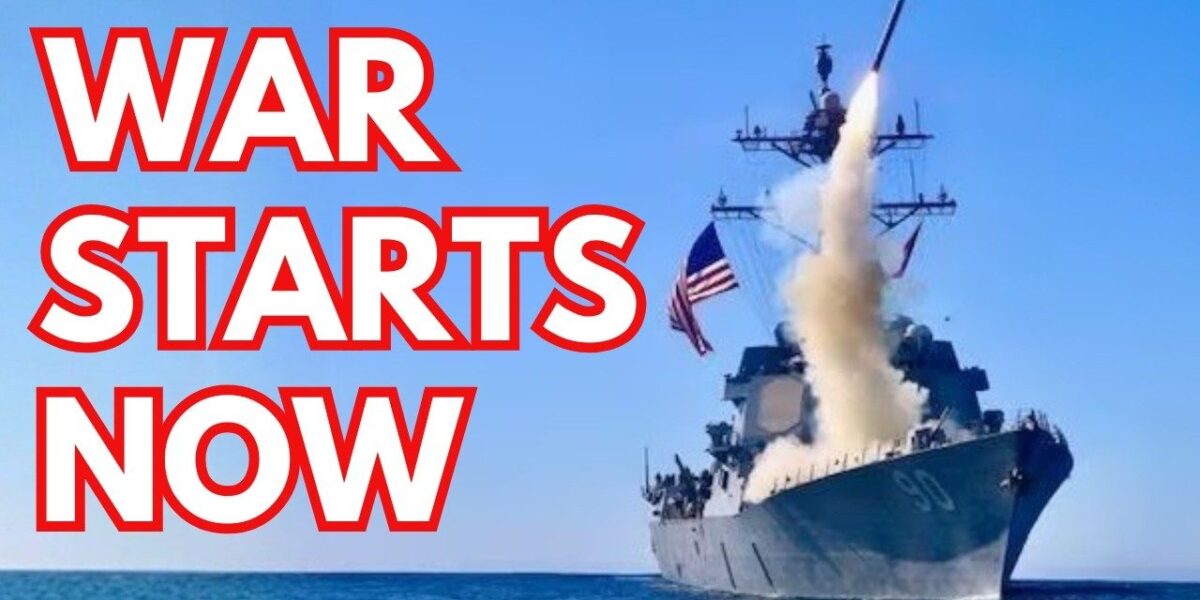
US and Israel Launch Coordinated Strikes on Iran, Regime Change Eyed
A new phase of conflict has erupted in the Middle East, with the United States and Israel launching a significant, coordinated military operation targeting Iran. Dubbed “Epic Fury” by the U.S. and “Roaring Lion” by Israel, the offensive appears to aim for nothing less than regime change in Tehran, with initial reports suggesting a strike on the home of Iran’s Supreme Leader, Ali Khamenei, and assessments indicating he may have been killed.
Unprecedented Scale and Objectives
Unlike previous retaliatory actions, this operation is characterized by its broad scope and ambitious objectives. President Trump, in an address to the American people, declared the United States military had begun major combat operations with the aim of “defending the American people by eliminating eminent threats from the Iranian regime.” He outlined comprehensive goals: “We’re going to destroy their missiles and raise their missile industry to the ground. We’re going to annihilate their navy. We’re going to ensure that the region’s terrorist proxies can no longer destabilize the region or the world and attack our forces. And we will ensure that Iran does not obtain a nuclear weapon.” This marks a departure from earlier, more limited engagements, signaling a potential turning point in regional geopolitics.
Joint U.S.-Israeli Operation Details
The operation is a testament to deep U.S.-Israeli military cooperation. U.S. officials revealed that this is the first time the U.S. military has employed one-way attack drones in combat, focusing on high-value targets including IRGC facilities, naval installations, and underground sites suspected of housing nuclear program components. Pentagon reports suggest that U.S. forces have successfully suppressed Iranian air defenses, paving the way for subsequent waves of attacks. Hundreds of targets are reportedly slated for destruction over a multi-day operation, with U.S. officials deeming Iran’s initial response “ineffective.”
Israel, through its IDF, stated its objective was to “thoroughly degrade the Iranian terrorist regime and to remove existential threats to the state of Israel.” The IDF highlighted Iran’s continued efforts to advance its nuclear program and missile production despite previous setbacks. The joint planning process, described as “close and joint,” enabled synchronized strikes between the two militaries. While the U.S. is focusing on military facilities and missile sites, Israel’s efforts reportedly include targeting Iranian leadership, with the IDF assessing that Supreme Leader Khamenei may have been killed in an Israeli strike. However, official confirmation remains pending, with reports citing unnamed Israeli sources and indicating uncertainty regarding Khamenei’s precise status.
Targets and Initial Impacts
Initial reports indicate that strikes have hit key Iranian governmental and military installations, including the Ministry of Intelligence, the Ministry of Defense, offices of military commanders, the Iran Atomic Energy Organization, and government buildings. The destruction of the Supreme Leader’s home, though not confirming his presence, signals a direct and significant strike against the regime’s highest echelon.
Iran’s Response and Propaganda
Iran has responded with its own offensive, dubbed “Operation True Promise 4” by the IRGC. The regime has launched drones and missiles targeting U.S. assets in the region, including the U.S. Fifth Fleet headquarters in Bahrain, and bases in Qatar and the United Arab Emirates. The IRGC also claimed to have struck military and security centers in Israel. Iranian Foreign Minister, however, focused propaganda efforts on the alleged bombing of a primary school, claiming “dozens of innocent children have been murdered” and vowing retribution. This narrative is seen as a crucial element of Iran’s propaganda campaign, aiming to shape international perception of the conflict.
Proxy Networks and Regional Escalation Fears
The conflict’s potential for regional escalation is amplified by Iran’s network of proxies. The Houthis in Yemen have signaled their support for Iran, and militias like Kata’ib Hezbollah in Iraq have vowed to attack American bases. While Hamas is reportedly degraded, Hezbollah retains significant capabilities. The coordinated activation of these proxy groups could complicate the situation significantly, potentially leading to widespread disruption of shipping and increased attacks on U.S. bases across the Middle East.
Uncertainty and Future Outlook
The full extent and impact of the initial strikes are still being assessed. U.S. officials suggest the current phase focuses on suppressing air defenses to allow for follow-on conventional air power. The duration of the U.S. operation is anticipated to be several days, with a potential for subsequent strikes on nuclear facilities. The ultimate outcome hinges on Iran’s response: whether it will seek de-escalation or double down, potentially employing unconventional tactics and terrorist networks. The coming days will be critical in determining whether this offensive leads to a swift resolution or a protracted and wider regional conflict.
Source: New War Erupts: US & Israel Hammer Iran (YouTube)

Related Articles


Oil Prices Surge to $91 Amid Geopolitical Tensions
Oil prices have surged to $91 a barrel, driven by disruptions in the Strait of Hormuz. This is leading to higher gas prices across the U.S., with California facing particularly steep costs. The situation is fueling debate on energy policy, exports, and the transition to renewable fuels.


Trump’s Allies Rebel: Conservatives Slam President’s Policies
Prominent conservative figures and lawmakers are openly criticizing President Trump's policies in 2026, signaling a growing divide within the movement. From Candace Owens questioning the Iran conflict to Senator Rand Paul challenging trade policy, a wave of dissent is challenging the president's agenda.

China’s Iran Gambit: Deception or a New World Order?
President Trump claims China will stop sending weapons to Iran, but deep skepticism remains due to China's past support and use of spy satellites to aid Iran. This move could be a strategic ploy to weaken the US military.