Polestar 4: A Cool EV With A Catch
The Polestar 4 offers a compelling blend of striking design, a luxurious interior, and advanced technology, positioning itself as a stylish alternative in the EV market. While its unique styling and performance are noteworthy, potential buyers should consider its compromises in rear visibility and charging speeds.

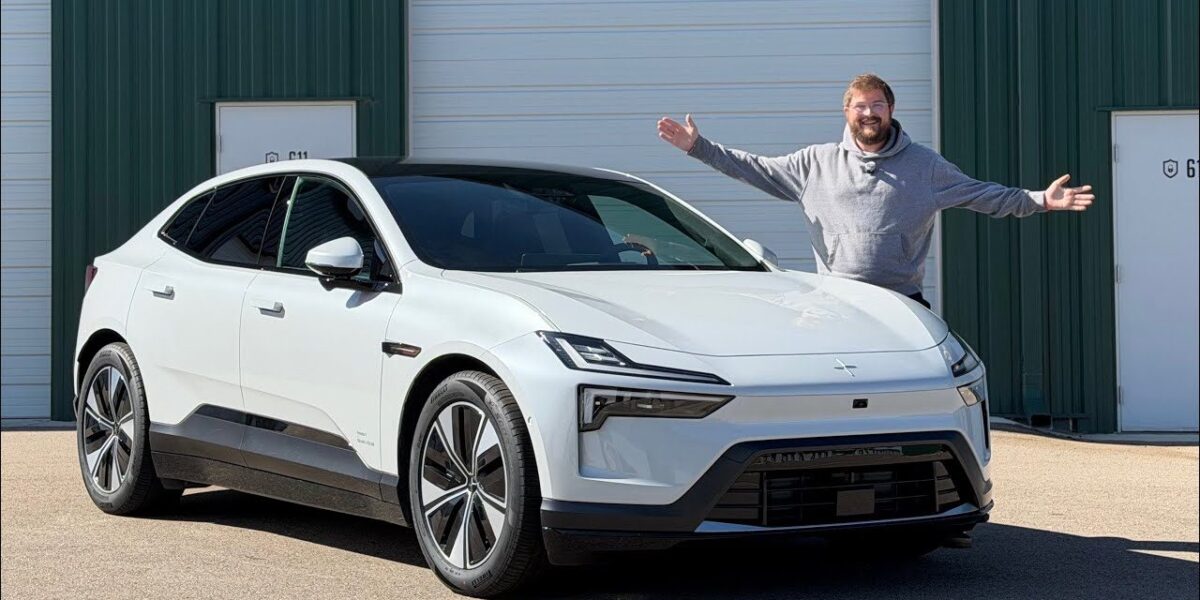
Polestar 4: A Cool EV With A Catch
The electric vehicle landscape is getting crowded, and Polestar is making a bold statement with its latest offering, the Polestar 4. Positioned as a stylish and technologically advanced alternative to established players like Tesla, the Polestar 4 aims to blend coupe-like aesthetics with SUV practicality. While it boasts an attractive design and a feature-rich interior, potential buyers should be aware of its unique characteristics and some compromises that might not appeal to all.
An Intriguing Design with a Missing Piece
The Polestar 4 immediately stands out with its distinctive styling. It’s a car that evokes strong opinions, with some finding its silhouette awkward and others appreciating its avant-garde approach. The most talked-about design element is the absence of a traditional rear window. Instead, Polestar has opted for a large, panoramic glass roof that extends all the way back, integrating a camera system that replaces the rearview mirror. This design choice contributes to a sleek profile but raises questions about rearward visibility and practicality, especially for those who frequently carry passengers or pets.
The exterior, while polarizing, does exude a premium feel. Polestar offers the option to have the lower body cladding painted in body color, a touch that significantly enhances the vehicle’s upscale appearance, similar to what’s seen on the Ford Mustang Mach-E. The car’s dimensions place it in a competitive segment, roughly comparable in size to the Kia EV6, and Polestar has even announced a forthcoming long-roof (wagon) variant, which should add further versatility.
Interior: A Swedish-Inspired Sanctuary
Stepping inside the Polestar 4 reveals a cabin that leans heavily into its Scandinavian design roots, offering a minimalist yet luxurious environment. Even the base interior, which the reviewer notes is surprisingly well-appointed, avoids the common pitfalls of cheaper materials. The seats are comfortable, and the overall ambiance feels more upscale than some direct competitors. The spaciousness is noteworthy, with ample headroom and a wide cabin that contributes to an airy feel, even for taller occupants.
Tech integration is a strong suit. The infotainment system, running on a Google-based platform, is responsive and user-friendly, offering features like customizable app layouts and a built-in dashcam. A unique touch is the ability to adjust the air vents manually, allowing for precise control of airflow, though the implementation isn’t quite as seamless as Tesla’s system. The inclusion of ‘dog mode,’ which allows the climate control to be set for pets left in the car, is a welcome feature, though it’s curiously absent from the larger Polestar 3.
However, the cabin isn’t without its quirks. The rear partition shelf, designed to improve NVH (Noise, Vibration, and Harshness) levels, is an interesting engineering solution, effectively sealing off the cabin from rear noise. While it contributes to a quieter ride, the lack of a traditional rear window means the rearview mirror is replaced by a screen displaying the feed from the rear camera. The reviewer also notes that the heater might not be as robust as expected for a vehicle with Swedish heritage, taking a while to warm up the cabin in colder temperatures, a trait sometimes associated with vehicles built on Chinese platforms.
Performance and Powertrain: Capable, But Not Class-Leading
The Polestar 4 is available in rear-wheel drive and dual-motor all-wheel drive configurations. The dual-motor version boasts an impressive 400 kW (approximately 536 horsepower) and 686 Nm (506 lb-ft) of torque, enabling a 0-60 mph sprint in around 3.5 seconds. This performance is certainly engaging, but it’s important to note that Polestar’s ambition to compete with performance brands like Porsche and BMW might be slightly ahead of the current execution. The reviewer points out that the stability control system cannot be fully disabled, limiting the car’s appeal to hardcore track enthusiasts. While the ESC sport mode offers some leeway, it can lead to unexpected wheel-flaring behavior, and the tuning isn’t quite at the level of its German rivals.
The battery pack is a substantial 100 kWh unit (94 kWh usable), offering an EPA-estimated range of up to 310 miles. However, real-world efficiency might be a concern, with the reviewer noting a consumption of around 2.9 miles per kWh on the highway, which is less competitive than some rivals. DC fast charging peaks at 200 kW, with a 10-80% charge taking approximately 30 minutes. This is acceptable, but less impressive than the significantly faster charging speeds seen on vehicles utilizing 800-volt architectures in other markets, such as the Zeekr 001 FR which shares a platform.
One peculiar aspect is the onboard AC charger, rated at a rather unusual 45 amps. While functional, it deviates from the more common 48-amp or higher chargers found in many EVs. Furthermore, concerns have been raised about the reliability of onboard chargers, with reports of failures in the Polestar 3 potentially carrying over, although the Polestar 4 uses a different platform (SEA) which has a longer track record in other markets.
Value Proposition and Target Buyer
The Polestar 4 initially launched with an MSRP of around $56,000. However, significant incentives, including a $10,000 discount, bring the starting price down to approximately $46,000. This makes it a much more compelling proposition, especially when compared to the Tesla Model Y, which has seen its prices fluctuate but remains a direct competitor. For buyers who are looking for an EV that stands out from the crowd, offers a premium interior experience, and doesn’t necessarily want a Tesla, the Polestar 4 presents a strong alternative.
The target buyer is likely someone who appreciates design, technology, and a refined driving experience, but perhaps isn’t as focused on outright track performance or the absolute fastest charging speeds. The car’s unique styling, solid interior quality, and user-friendly tech should appeal to a sophisticated consumer. The reduced price point due to incentives makes it a more accessible luxury EV, potentially attracting buyers who might have previously considered higher trims of less premium brands or entry-level luxury vehicles.
Verdict
The Polestar 4 is an undeniably cool and compelling electric vehicle. It excels in design, interior quality, and technology, offering a refreshing alternative in a market often dominated by predictable styling. The significant price reductions further enhance its appeal, making it a strong contender against the Tesla Model Y and other EVs in its class. However, potential buyers must weigh these strengths against the compromises: the polarizing rear-end design and lack of a traditional rear window, less aggressive performance tuning for track use, and charging speeds that, while adequate, aren’t class-leading.
For those who prioritize style, comfort, and a sophisticated cabin over ultimate performance metrics and the fastest charging, the Polestar 4 is a fantastic choice. It’s a car that doesn’t just get you from A to B; it does so with a unique flair that’s hard to ignore.
Key Specifications:
- Powertrain: Dual-motor AWD
- Horsepower: 400 kW (approx. 536 hp)
- Torque: 686 Nm (approx. 506 lb-ft)
- 0-60 mph: ~3.5 seconds
- Battery: 100 kWh (94 kWh usable)
- EPA Range: Up to 310 miles
- DC Fast Charging: 200 kW peak (10-80% in ~30 mins)
- AC Onboard Charger: 45 Amp
- Starting MSRP: ~$46,000 (with incentives)
Source: Polestar 4 Is An Incredibly Cool EV! My Full Tour & First Drive (YouTube)

Related Articles

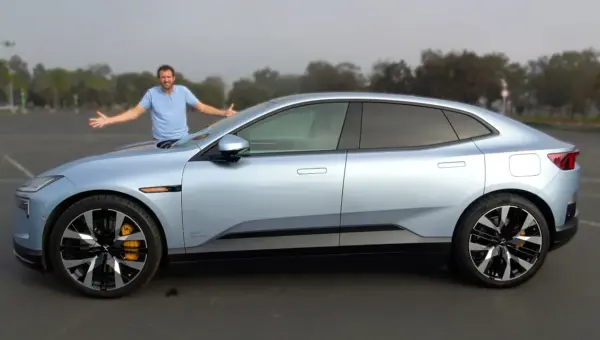
Polestar 4 Ditches Rear Window for Futuristic EV SUV
The 2026 Polestar 4 arrives as a bold electric SUV-coupe, ditching its rear window for a futuristic design and enhanced interior space. With impressive performance, a minimalist luxury cabin, and unique features like planetary-themed ambient lighting, it challenges traditional automotive norms. While its unconventional approach might not appeal to everyone, the Polestar 4 offers a compelling, albeit pricey, glimpse into the future of electric vehicles.

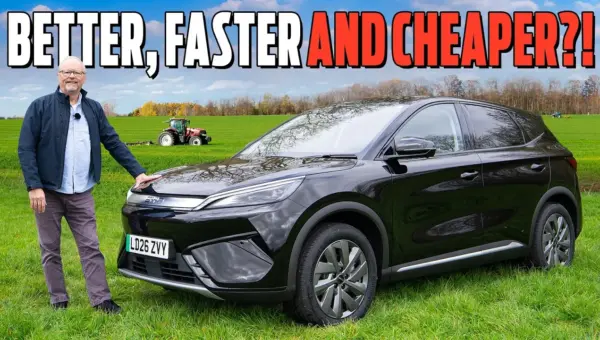
BYD Atto 3 Evo: Faster Charging, Bigger Battery, Lower Price
The updated BYD Atto 3 Evo electric SUV boasts a larger battery, significantly faster 800V charging, increased boot space, and a new frunk, all while being £700 cheaper than its predecessor. This makes it a highly competitive and value-packed option in the EV market.

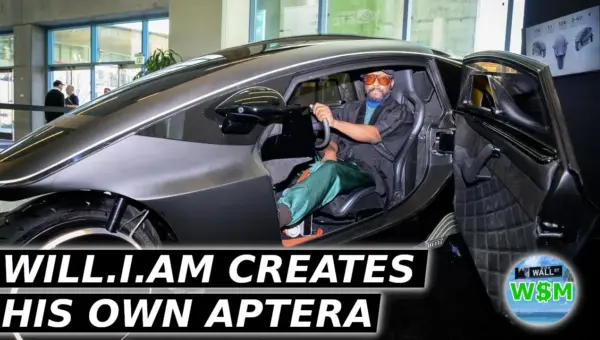
Will.i.am’s Trinity Tricycle Faces Skepticism
Musician Will.i.am has unveiled the Trinity, an AI-powered electric tricycle, marking his latest tech venture. Despite ambitious features, the project faces significant funding challenges, raising doubts about its mass production potential.