Iran Strikes Gulf Bases After US, Israel Retaliation
Iran has launched drone and missile attacks on U.S. bases and allies across the Gulf, including the UAE, in retaliation for alleged U.S. and Israeli strikes. Explosions were heard in Abu Dhabi, with at least one civilian casualty reported. This marks a significant escalation, with Iran directly targeting state-level adversaries.

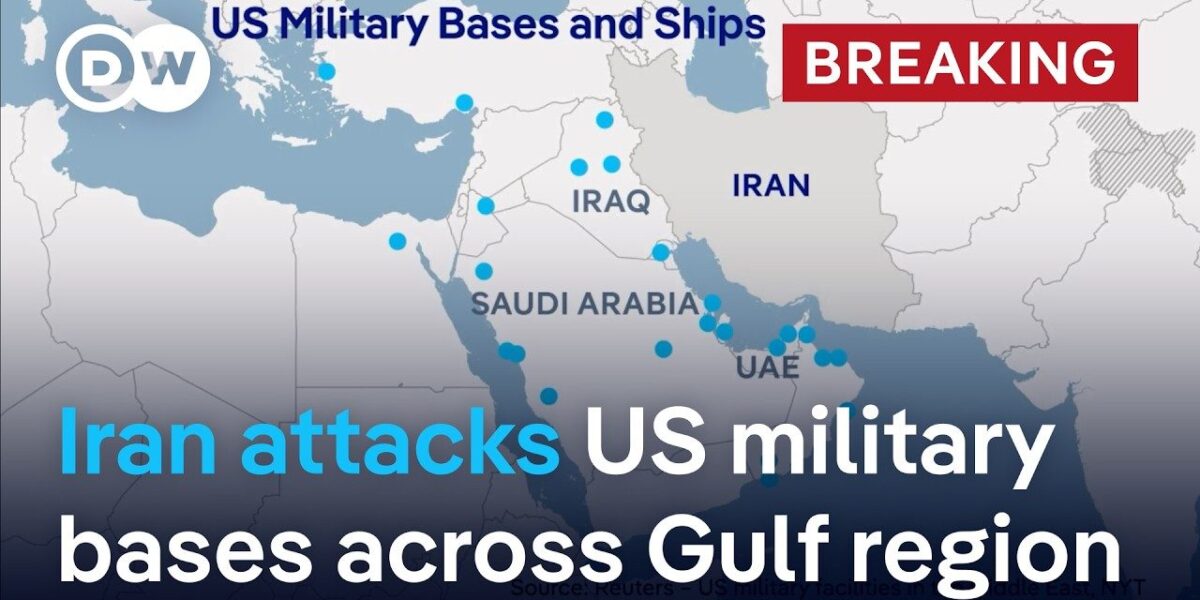
Iran Launches Retaliatory Strikes Across Gulf Region
In a significant escalation of regional tensions, Iran has launched a series of drone and missile attacks targeting U.S. bases and allies across the Persian Gulf. The strikes, confirmed by Iranian state media and reported across multiple Arab nations, represent a direct retaliatory response to what Tehran alleges were coordinated attacks by the United States and Israel. The Pentagon has reportedly labeled its operations against Iran as “Operation Epic Fury,” with President Donald Trump vowing to prevent Iran from acquiring nuclear weapons and targeting its naval capabilities. The tit-for-tat exchange has sent shockwaves through the region, with explosions and the activation of missile defense systems reported in the United Arab Emirates, Jordan, Bahrain, and Kuwait.
Explosions Heard in Abu Dhabi Amidst Barrage
Journalist Anyana Sankar, reporting from Abu Dhabi in the United Arab Emirates, described the unsettling experience of hearing and witnessing explosions outside her balcony. “Initially, I didn’t understand what it was and there was a series of them, and then we started getting messages from people all of them confirming that there was this, you know, explosive noises that they heard,” Sankar recounted. While many had anticipated potential escalation following heightened tensions, the direct nature of the strikes on Abu Dhabi appeared to surprise many residents.
“I can tell you personally because I am in Abu Dhabi I saw and I heard some big bang kind of explosions outside my balcony.”
Sankar noted that Iran had previously threatened to target U.S. bases in the region if attacked by Washington. The current strikes appear to align with these threats, with U.S. bases in Gulf countries being declared legitimate targets. What is particularly striking, according to Sankar, is that these were not isolated incidents. “As I said, there was a series of explosions that I heard and later the ministry of defense and UAE authorities confirmed that there was a barrage of ballistic missile attack on Abu Dhabi.”
Civilian Casualties Reported, Region Dragged into Conflict
The UAE’s Ministry of Defense confirmed that while most incoming projectiles were intercepted, there was at least one casualty reported – an Asian national. This marks the first reported death in the current conflict, signaling a dangerous new phase where Gulf nations are directly impacted. “This is a clear indication that the Gulf countries are not just going to be neutral observers. They’re not just going to play diplomacy. They have been directly dragged into this conflict,” Sankar observed. The closure of airspace in most Gulf countries, including an announcement by UAE civil defense authorities, further underscores the severity of the situation and its immediate impact on civilian life and regional stability.
A New Precedent: State-Level Direct Attacks
Sankar emphasized the unprecedented nature of Iran’s actions, distinguishing them from previous proxy-level attacks or actions by non-state actors. “This is a state-level direct, Iran’s ballistic missile attack across the borders into the Gulf States. So this is, I think, a totally new, they set a new precedent,” she stated. The situation is rapidly evolving, moving beyond isolated incidents and spilling into multiple states within the Gulf region, raising serious concerns about a wider, more destabilizing conflict.
Broader Implications and What Lies Ahead
The coordinated strikes by Iran represent a significant departure from previous patterns of regional conflict, which often involved indirect confrontations or proxy engagement. The direct targeting of U.S. bases and allied nations’ territories signifies a willingness by Tehran to engage in direct state-on-state warfare. This escalation carries profound implications for regional security, international diplomacy, and global energy markets. The involvement of multiple Gulf states, even as targets, suggests a potential for broader alliances to form or fracture in response to Iran’s actions. The international community is now watching closely to see how the United States and its allies will respond to these direct attacks, and whether diplomatic channels can be leveraged to de-escalate the crisis before it spirals further out of control.
The coming days will be critical in determining the trajectory of this conflict. All eyes will be on the U.S. response, potential diplomatic interventions, and the further actions taken by Iran and its adversaries. The stability of the entire Middle East hangs in the balance as this dangerous new chapter unfolds.
Source: Iran retaliates US, Israel attack with strikes on US bases across the Gulf region | DW News (YouTube)

Related Articles
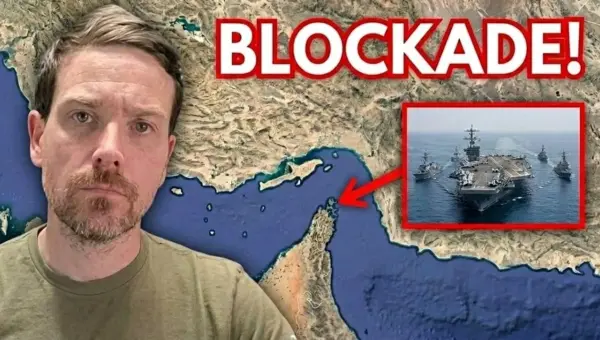
US Navy Blockade Tightens Grip on Iran’s Oil
The US Navy has imposed a strict blockade on Iranian ports, aiming to cripple the nation's oil exports and economy. With warships enforcing the closure, Iran faces significant financial pressure. The long-term effectiveness and potential for escalation remain key concerns.


Trump’s Iran Deal Talk: A Mirror of His Own Desires?
Donald Trump's repeated claims that Iran "wants a deal very badly" might be more about his own desire for an agreement than Iran's. This analysis explores his rhetoric and its potential implications for foreign policy.


China’s Iran Gambit: Deception or a New World Order?
President Trump claims China will stop sending weapons to Iran, but deep skepticism remains due to China's past support and use of spy satellites to aid Iran. This move could be a strategic ploy to weaken the US military.