Pakistan Air Strikes Escalate Afghanistan Conflict
Pakistan has launched air strikes against cities in Afghanistan, escalating a long-standing conflict fueled by accusations of militant harboring. The defense minister described the situation as 'open war,' following failed diplomatic efforts and rising terror attacks within Pakistan attributed to groups operating from Afghan soil.

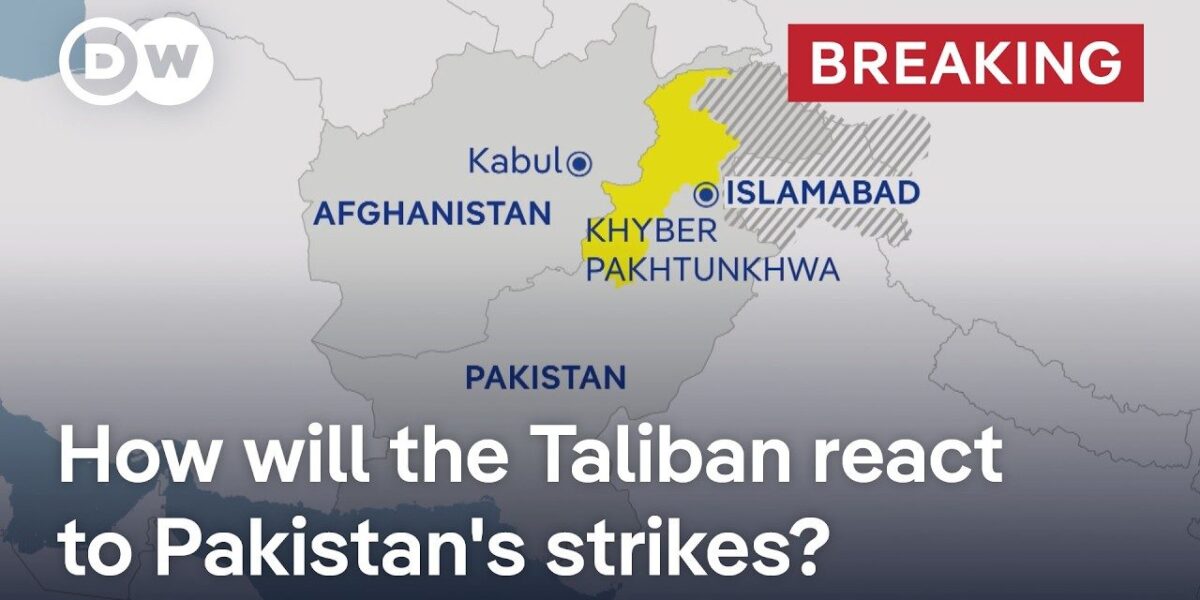
Pakistan Launches Air Strikes in Afghanistan Amidst Escalating Conflict
Islamabad, Pakistan – In a significant escalation of tensions, Pakistan launched air strikes targeting cities within Afghanistan early this morning, with the country’s defense minister characterizing the situation as “open war” between the two neighboring nations. The Pakistani military released images purportedly showing the strikes, which sources indicate also involved ground operations against Taliban targets in Kabul, Kandahar, and Paktia regions. Pakistan claims dozens of Taliban fighters were killed in the operation.
In response, Afghanistan’s government has stated that the Taliban have conducted their own air strikes using drones, targeting military installations within Pakistani territory. This exchange marks a dangerous new phase in the long-simmering conflict along the Durand Line, a border that has been a persistent source of friction.
Underlying Tensions: Accusations of Militant Harboring
The immediate cause for Pakistan’s latest actions stems from its long-standing accusation that Afghanistan, particularly under Taliban rule, is providing safe haven to militants who launch attacks inside Pakistani territory. Journalist Azazad, speaking from Islamabad, explained the rationale behind Pakistan’s offensive.
“Since the Taliban has taken over Kabul, Pakistan is continuously claiming and complaining that terror attacks inside Pakistan have increased. There is a visible surge and increase in the attacks inside Pakistan, and Pakistan believes that the militant groups, particularly Tehrik-i-Taliban Pakistan (TTP), which is linked to the Afghan Taliban, are having their safe haven inside Afghanistan. Not only TTP, but several other groups are hiding inside Afghanistan, and the Afghan government is not taking any action against them.”
Azazad detailed the extensive diplomatic efforts that have failed to resolve the issue. “Pakistan and Afghanistan have had at least more than two dozen interactions in which they negotiated. Some negotiations also took place in Qatar and Turkey, but all the negotiations failed.” Despite Pakistan closing its borders with Afghanistan last October, Azazad noted, “there is no change in, apparently what Pakistan believes, there is no change in the Afghan Taliban’s policy, as attacks targeting Pakistani security officials inside Pakistan they are continuing.”
Evidence and Failed Diplomacy
The perceived inaction by the Afghan Taliban has fueled Pakistan’s frustration. Azazad cited a recent incident as evidence: “Three weeks back, there was an attack inside Pakistan’s capital, Islamabad.
The suicide bomber, Pakistan claimed, that he had been traveling to Afghanistan. So they had the evidence, but the Pakistani authorities believe that the Afghan authorities are not ready to take any action against the groups involved in terror attacks inside Pakistan.” This belief has led to a perception within Pakistan that direct military action is the only remaining option.
Afghanistan’s Response and Pakistan’s Justification
The question now is what response Pakistan expects from Afghanistan’s Taliban rulers, especially after striking targets within the Afghan capital. Pakistani authorities argue that they have exhausted diplomatic avenues and are now compelled to act directly against what they deem “terror hideouts and terror training camps inside Afghanistan.”
“So Pakistani authorities now say that, ‘We are already facing the terror attacks, and we are complaining to the Afghan Taliban; they are not, you know, taking any action. So we have to take action against those terror hideouts which are being given facility by the Afghan Taliban.'”
This military approach is seen by Islamabad as a necessary measure to counter the ongoing threat posed by groups like the TTP, which have claimed responsibility for numerous attacks within Pakistan. The situation is further complicated by the presence of other militant organizations, including Al-Qaeda, which reports suggest is becoming active again within Afghanistan.
Broader Regional Implications
The escalating conflict is not solely a bilateral issue between Pakistan and Afghanistan; it carries significant regional implications. Pakistan believes that the militant activities emanating from Afghanistan pose a threat not only to itself but also to other countries in the region. China, a key economic partner and investor in Pakistan, is also reportedly concerned.
“China is also apparently not happy. Some Chinese citizens were kidnapped; some terror attacks also took place, and some Chinese citizens also died in Afghanistan.
So China is also having its issues with regards to the security of their citizens in Afghanistan,” Azazad noted. The presence of groups that threaten China’s interests in the region, such as the East Turkestan Islamic Movement (ETIM), further complicates the geopolitical landscape.
What’s Next?
The immediate future is uncertain, with both sides engaged in military action and rhetorical escalation. The international community will be watching closely to see if diplomatic channels can be reopened or if the conflict will spiral further, potentially destabilizing the region even more. The Taliban’s response to Pakistan’s strikes, and whether they will retaliate further or seek de-escalation, will be critical in determining the next steps.
Source: Why is the Pakistan-Afghanistan Conflict escalating? | DW News (YouTube)

Related Articles
US and Iran Near Talks: Nuclear Deal Isn’t Enough
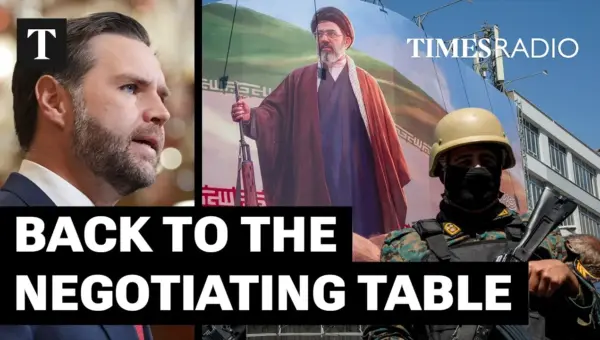
Reports indicate the US and Iran are nearing a second round of nuclear talks in Pakistan. However, former Bush advisor Jamal Jaffer warns that a deal must address more than just Iran's nuclear program, including its support for terrorist groups. The deep divisions on these issues pose a significant challenge to reaching a lasting agreement.


Iran Tensions Rise: Escalation Looms in Middle East
Tensions between Iran and Israel are escalating following an alleged Israeli strike on an Iranian consulate. Iran has vowed retaliation, raising fears of a wider conflict. This situation could destabilize the Middle East and impact global markets.

Israel Unleashes Barrage, Striking 150 Hezbollah Sites Daily
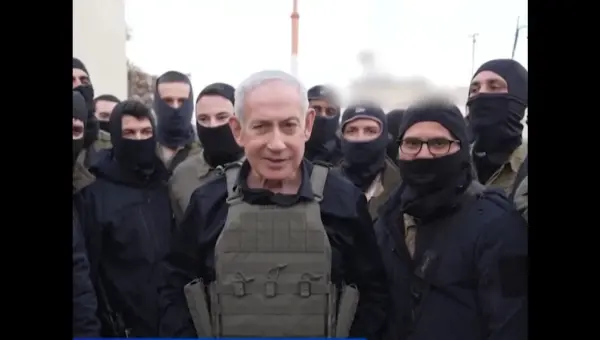
Israel has dramatically increased strikes against Hezbollah, hitting 150 targets in 24 hours. This escalation occurs just before crucial talks in Washington, where Lebanon seeks a ceasefire, but Israel remains firm. Hezbollah's tactics are increasingly mirroring those of Hamas, raising grave concerns.