Pahlavi Urges West to Act on Iran, Faces Divided Reception
Reza Pahlavi, son of Iran's last Shah, visited Berlin urging Western nations to increase support against the Iranian regime. His visit sparked protests, highlighting his controversial status. Expert Siba Shakib questioned his connection to Iran and noted similarities between his rhetoric and past authoritarian tactics.

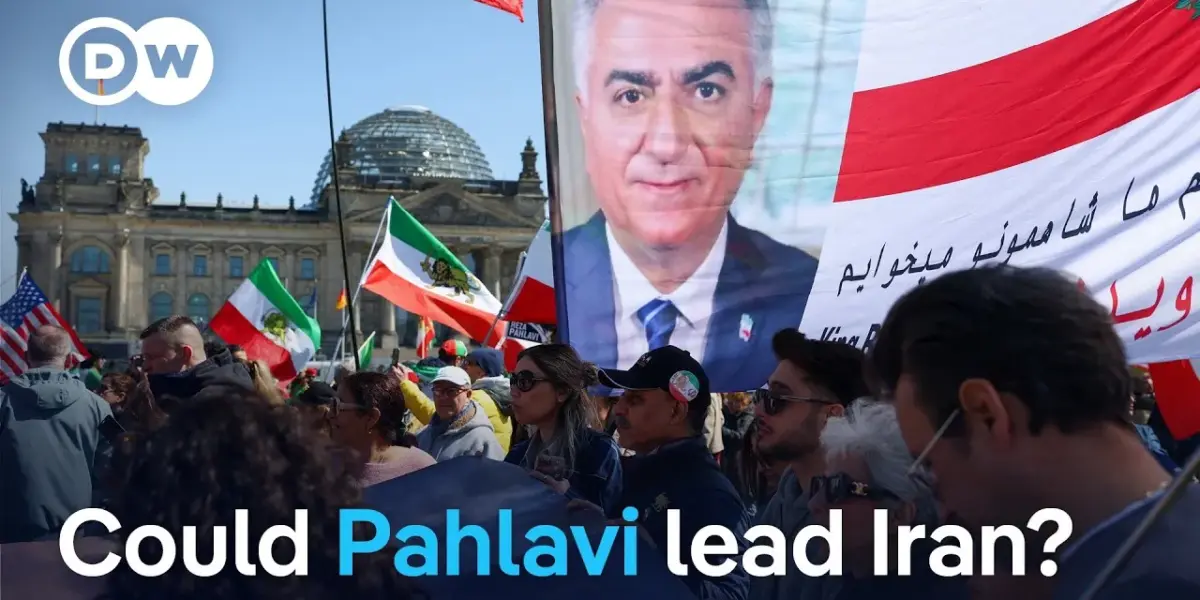
Pahlavi Appeals for Action on Iran in Berlin Visit
Reza Pahlavi, son of Iran’s last Shah, visited Berlin this week, calling on European nations to increase support for the Iranian people in their struggle against the current regime. Pahlavi, a prominent voice in the Iranian opposition, accused Europe of standing by while the Iranian government uses violence to suppress its citizens. His visit to the German capital was met with protests both for and against him, highlighting his controversial status.
The monarchy under Pahlavi’s father, Mohammad Reza Pahlavi, was overthrown by the Islamic Revolution in 1979. In the past year, Reza Pahlavi is now a potential opposition leader, especially following widespread anti-government demonstrations within Iran. He spoke to reporters, urging Western democracies to do more than just watch as the situation unfolds.
Pahlavi’s Message: Legitimacy and Violence
“When legitimacy dies, power begins to crumble. If a regime can only hold onto power through sheer violence and terror against its own population, its days are numbered. The question is not whether change will come.
Change is on the way. The real question is how many Iranians will lose their lives while the community of Western democracies continue to merely watch.”
Pahlavi emphasized that atrocities are still happening in Iran, often unseen by the world because the regime restricts internet access and silences witnesses. He believes that a regime relying solely on violence to maintain control is inherently unstable and nearing its end. His message framed the current situation as a fight for survival for the Iranian people, with the world’s inaction prolonging their suffering.
Expert Analysis: A Familiar Pattern?
Siba Shakib, an Iranian-German writer and filmmaker who was born and raised in Tehran, shared her perspective on Pahlavi’s visit and message. Shakib suggested that the attention Pahlavi’s visit garnered indicates its significance, following his earlier stop in Italy. However, she noted a striking similarity between Pahlavi’s rhetoric and the actions of past regimes, including his father’s.
Shakib pointed out that Pahlavi’s statement about a regime using brutality to stay in power echoed the situation 47 years ago under his father. She also questioned his assertion that the Iranian population has been at war for 47 years, arguing that the struggle against oppressive powers has lasted much longer, over 120 years, with his father being one of those powers.
A Polarizing Figure: Past and Present
The demonstrations for and against Pahlavi in Berlin underscore his polarizing nature. Shakib reflected on whether this division stems from who he is today or who his father was. She stated that she critically examines her own judgment, trying not to dismiss him simply because he is the son and grandson of former kings.
However, Shakib expressed that even when evaluating Pahlavi based on his past statements and actions over the last 47 years, there hasn’t been much substantial activity. She noted that he claims to have been fighting for Iran, but she has not seen much evidence of this fight. This raises questions about his practical impact and connection to the current struggles within Iran.
Diaspora and Disconnection
Reza Pahlavi is part of the Iranian diaspora that left the country following the 1979 revolution. Shakib has previously stated that Pahlavi lacks a deep understanding of contemporary Iran. This is largely because he was a child when he left Iran and later pursued education and a career as a pilot in Europe and America.
His family left Iran together, and it’s often mentioned that the Shah’s family took considerable wealth with them, enough to sustain them for many generations. This perceived detachment from the daily realities faced by people in Iran contributes to the skepticism some observers have about his leadership potential and his understanding of the country’s current needs and aspirations.
Looking Ahead
Reza Pahlavi’s visit to Berlin highlights the ongoing debate about Iran’s future and the role of exiled opposition figures. While he calls for greater international pressure on the current regime, his reception remains mixed, reflecting historical baggage and questions about his connection to the Iranian people. The coming months will likely see continued efforts by Pahlavi and other opposition voices to galvanize international support and articulate a vision for a post-regime Iran.
Source: What role can Reza Pahlavi really play in Iran’s future? | DW News (YouTube)

Related Articles

US Navy Readies Lethal Force Against Iran in Hormuz Strait
President Trump has ordered the US Navy to use lethal force against Iranian mine-laying boats in the Strait of Hormuz, escalating tensions. Meanwhile, the White House accuses China of stealing AI technology, adding another layer to global competition. These actions, coupled with economic sanctions on Iran, aim to reshape regional dynamics and prevent nuclear proliferation.

Trump’s Navy Orders Spark Global Firestorm
President Trump's directive for the U.S. Navy to fire on Iranian boats in the Strait of Hormuz, based on a disputed claim of mine-laying, has sparked significant controversy. The author criticizes the order as delusional and highlights concerns about the appointed acting Navy chief's past remarks.

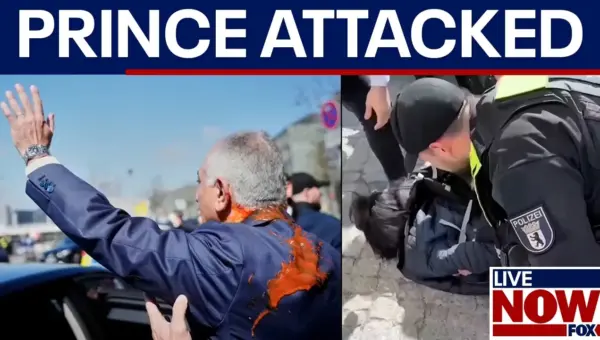
Trump Orders Navy to Shoot Iran Boats in Strait of Hormuz
President Trump has ordered the U.S. Navy to "shoot and kill" any Iranian boats attempting to place mines in the Strait of Hormuz, escalating regional tensions. Meanwhile, exiled Iranian Crown Prince Reza Pahlavi was attacked in Berlin after criticizing U.S.-Iran talks. Geopolitical experts highlight the strait's critical role in global trade and the complex diplomatic and military dynamics at play.