US Tightens Grip on Iran, China Oil Flow
The U.S. is maintaining pressure on Iran through oil blockades, impacting global energy markets and highlighting China's energy vulnerabilities. Congressman Carlos Gimenez discussed the strategic importance of these actions and the need for increased defense spending to counter China. Domestic debates over border security funding and Cuba policy also continue.

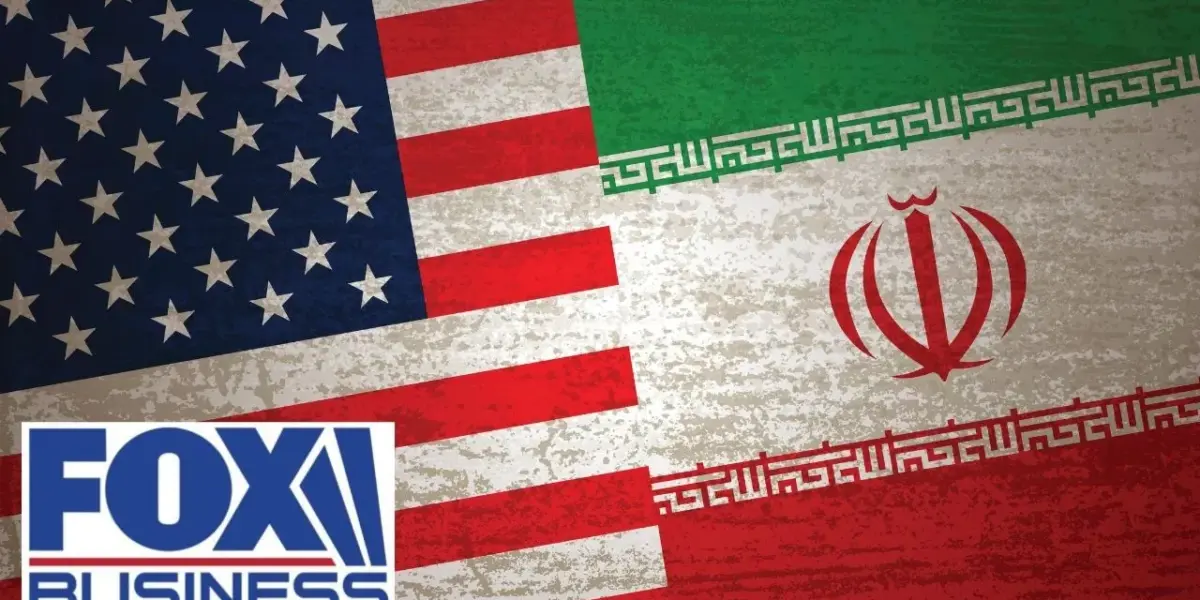
US Extends Pressure on Iran, Cites China’s Energy Vulnerability
The United States is maintaining a strong stance against Iran, with President Trump signaling that talks could resume but emphasizing no immediate deadline for an agreement. This comes as Iran has opened fire on three ships in the Strait of Hormuz, with Iranian state media claiming two ships were seized.
U.S. forces have directed 31 vessels to turn around or return to port since the blockade began, aiming to cut off Iran’s oil revenue. The Pentagon estimates clearing naval mines in the Strait could take up to six months.
Florida Congressman Carlos Gimenez stated that the U.S. blockade is likely hurting Iran more than past kinetic strikes. He stressed the need to keep pressure on Iran, arguing the government’s primary goal is survival. “We can’t let them survive in the current state,” Gimenez said, highlighting the importance of preventing Iran from developing nuclear weapons and ensuring the Strait of Hormuz remains open and verifiable.
Defense Budget Focus Shifts to China
Discussions around the defense budget are also underway, with a focus on increasing spending to counter China’s military buildup. Congressman Gimenez, a member of the Armed Services Committee, acknowledged the need for higher defense spending, identifying China as the primary pacing threat. The goal is to ensure the U.S. maintains its military superiority over China, particularly concerning potential threats to Taiwan.
The situation in the Strait of Hormuz has also brought China’s energy dependence into sharp focus. Gimenez pointed out that the U.S. has the ability to disrupt China’s oil imports by controlling flows from Venezuela and Iran. This leverage highlights China’s vulnerability in energy and food supplies, leading to potential strategic considerations for both nations.
Cuba Policy and Border Security Debates
The conversation also touched upon U.S. policy towards Cuba. U.S. officials have met with Cuban counterparts to discuss reforms and offered assistance in restoring internet service.
However, Gimenez expressed skepticism about the Cuban regime allowing services like Starlink, which could facilitate communication among dissidents. He noted Cuba’s dire economic state and energy grid issues.
Regarding domestic policy, the debate over funding for Immigration and Customs Enforcement (ICE) and Customs and Border Protection (CBP) continues. The Senate narrowly passed funding, but the House plans to pass its own appropriations bill excluding these agencies, with a separate reconciliation bill to fund them throughout the Trump administration. This approach aims to prevent funding battles from being used for political leverage and government shutdowns.
Gimenez expressed optimism about passing further reconciliation packages to address other priorities, such as defense spending and making life more affordable for Americans. He emphasized finding common ground within the conference to pass measures that benefit the public and reduce the burden on taxpayers.
Market Impact
The ongoing pressure on Iran, particularly through oil blockades, directly impacts global energy markets and geopolitical stability. For investors, this situation highlights the risks associated with energy-dependent economies and the potential for supply disruptions. The focus on China’s vulnerabilities also suggests potential impacts on global trade and supply chains.
The defense budget discussions signal increased spending in the defense sector, which could benefit companies involved in military manufacturing and technology. The debates over border security funding reflect ongoing political tensions that can influence economic policy and investor confidence. The situation in Cuba, while less of a direct market driver, adds another layer to the complex geopolitical landscape.
What Investors Should Know
Investors should monitor the effectiveness of U.S. sanctions and blockades on Iran’s oil exports and their impact on global oil prices. The strategic competition with China, especially concerning energy and trade, could lead to increased volatility in markets linked to these sectors. The U.S. defense spending plans may offer opportunities in specific industries, but geopolitical risks remain a key consideration.
The political debates surrounding border security and government funding highlight potential for short-term market uncertainty. Understanding these geopolitical and domestic policy dynamics is crucial for assessing long-term investment strategies in a complex global environment. The upcoming appropriations process and potential reconciliation bills will be key indicators of legislative priorities.
The U.S. government plans to continue its appropriations process, with further legislative actions expected regarding defense spending and border security funding.
Source: 'KEEP THE PRESSURE ON': We can't let Iran survive in current state, GOP rep says (YouTube)

Related Articles
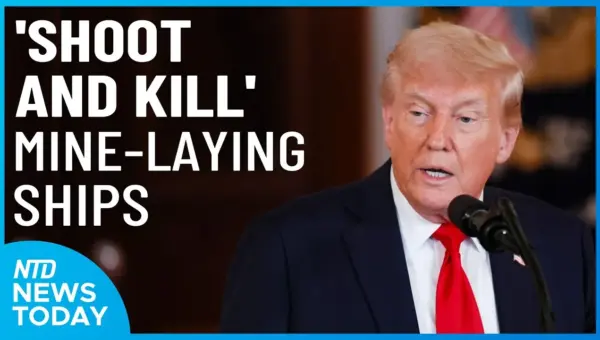
US Navy Readies Lethal Force Against Iran in Hormuz Strait
President Trump has ordered the US Navy to use lethal force against Iranian mine-laying boats in the Strait of Hormuz, escalating tensions. Meanwhile, the White House accuses China of stealing AI technology, adding another layer to global competition. These actions, coupled with economic sanctions on Iran, aim to reshape regional dynamics and prevent nuclear proliferation.
Trump’s Navy Orders Spark Global Firestorm
President Trump's directive for the U.S. Navy to fire on Iranian boats in the Strait of Hormuz, based on a disputed claim of mine-laying, has sparked significant controversy. The author criticizes the order as delusional and highlights concerns about the appointed acting Navy chief's past remarks.


Trump Orders Navy to Shoot Iran Boats in Strait of Hormuz
President Trump has ordered the U.S. Navy to "shoot and kill" any Iranian boats attempting to place mines in the Strait of Hormuz, escalating regional tensions. Meanwhile, exiled Iranian Crown Prince Reza Pahlavi was attacked in Berlin after criticizing U.S.-Iran talks. Geopolitical experts highlight the strait's critical role in global trade and the complex diplomatic and military dynamics at play.