Ukraine War Shifts: Russia’s Grind Meets Drone Warfare
The Ukraine war has entered a new, grinding phase focused on attrition and exhausting enemy resources. Russia's tactics are evolving, but Ukraine is countering with advanced drone warfare and adaptable assault units. The conflict's outcome hinges on sustained innovation and strategic adaptation, not just territorial gains.

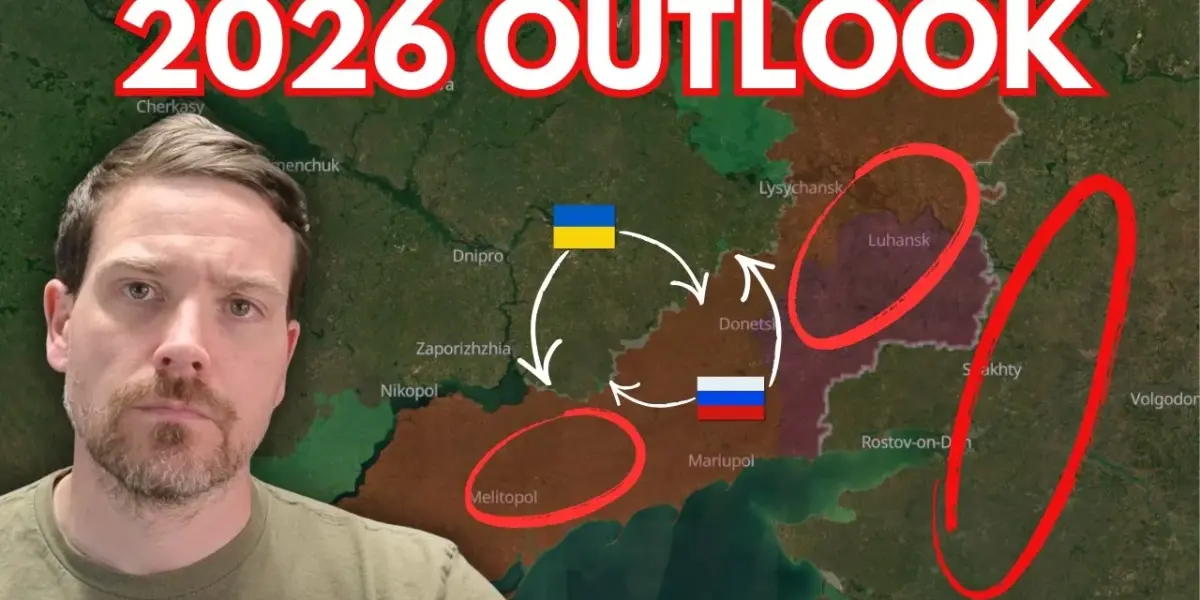
Ukraine War Enters New, Grinding Phase
The war in Ukraine has moved into a new, grinding phase, marking its fifth year. Both sides are now locked in a strategy of exhaustion, targeting each other’s economic foundations and defense industries. This means Ukraine is increasing strikes on Russian fuel refineries and energy infrastructure, while Russia aims to damage Ukraine’s energy sector and defense production.
Seasonal Patterns Fade, Constant Pressure Builds
While media often describes the war with seasonal offensives, this is no longer accurate. Since 2024, the fighting has become a continuous effort.
Russia pushes along a broad front, prioritizing areas like Donetsk but unable to achieve major breakthroughs. Their tactics involve large-scale mechanized attacks early on, followed by infiltration and light motorized assaults.
This sustained pressure makes it difficult to pinpoint specific offensives. There isn’t one single operation that, if stopped, would halt Russian efforts for the year. Instead, it’s a year-round grind where Ukraine works to hold Russian forces to small, costly gains.
Evolving Tactics: From Infantry to Drones
Russian tactics have evolved yearly. In 2024, they combined mechanized assaults with smaller infantry groups. Ukraine responded by heavily using drones for fire support, alongside artillery and minefields.
By 2025, Russia shifted to infiltration tactics, sending small groups of soldiers to slip through defensive lines. This turned the fight into a contest over control in drone-heavy zones. The focus shifted from infantry fighting infantry to drone units clashing and displacing each other.
Motorcycles and ATVs: A Sign of Weakness?
The use of motorcycles and ATVs in assaults might seem like a sign of Russia lacking armor. However, this is a flawed assumption. Russian armor losses have decreased, and they likely have as many or more armored vehicles now than at the war’s start.
The Russian military has also grown significantly larger. This means there are fewer vehicles per soldier compared to the beginning of the war. While armor isn’t a major constraint, Russia often fights with lightly motorized or dismounted infantry because they can’t always support large mechanized attacks.
Ukraine Targets Air Defense, Seeks Advantage
Ukraine’s campaign against Russian air defense systems is notable. Destroying these systems aims to enable Ukrainian forces to operate more freely. Ideally, this allows Ukraine to strike Russian logistics deeper behind the lines.
However, Russia has multiple layers of radar and interceptor drone units that can counter these efforts. Ukraine needs to expand its ability to see and strike targets far behind Russian lines, similar to how Russia operated earlier in the war.
The goal is to create corridors for long-range drones to hit targets in the rear. This is more effective than trying to find dispersed troops near the front. Russian forces often concentrate in the rear, making them easier targets.
Zaporizhzhia: A Secondary Front with Political Weight
While Donetsk remains a priority, Russia also pushes in Zaporizhzhia. This region is economically and politically important. Last year, Russian forces found it easier to advance there due to weaker Ukrainian defenses.
Zaporizhzhia has become a more fluid battleground, with both sides making advances. Russian advances near cities like Zaporizhzhia city could threaten civilian populations and economies by establishing fire control at greater ranges.
Russia Spreads Forces to Exploit Manpower Gaps
Russia’s strategy involves focusing on areas like Donetsk while also spreading Ukrainian forces thin across a broad front. Ukraine faces a manpower shortage, forcing its elite units to constantly move and respond to threats.
By attacking in multiple areas, Russia prevents Ukraine from concentrating its best units. If Russia is stalled in one region, it can make gains elsewhere, forcing Ukraine to shift resources and weaken other parts of the front.
Assault Regiments: Ukraine’s Counterattack Force
Ukraine’s assault regiments and air assault brigades act as a crucial counterattack force. These units are being funneled replacements and are experimenting with new tactics.
In Zaporizhzhia, these units successfully pushed Russian forces back in early 2024. This operation showed Ukraine’s ability to counterattack with sophisticated, drone-enabled methods without taking excessive losses. The challenge remains coordinating these diverse units to fight as a cohesive force.
The War’s Outcome Hinges on More Than Territory
Ultimately, who controls the next 20 kilometers of territory is not the deciding factor in the war. Ukraine can afford to cede some ground slowly while imposing high costs on Russia.
However, Ukraine cannot simply give up territory everywhere. Ukrainian units often fight for every inch, sometimes remaining in positions that are disadvantageous rather than conducting a mobile defense to better prepared fallback lines.
The Russian strategy has drawbacks: high manpower costs for small gains and a lack of significant breakthroughs or momentum. This allows Ukraine to stabilize the situation even after localized breaches.
Future Outlook: Adaptation and Innovation
The war is characterized by constant adaptation. Russia’s tactics evolve, and Ukraine counters with innovative drone warfare and combined arms approaches. The ability of both sides to sustain their forces and adapt to new battlefield realities will shape the war’s future.
The current phase suggests a long, attritional conflict where incremental gains come at a significant price. Ukraine’s focus on drone technology and tactical innovation, combined with Western support, remains critical. Russia’s ability to adapt its own industrial and military machine will be equally important.
Looking ahead, 2026 might see Russia taking less territory than in previous years, depending on how these adaptations play out. The conflict is far from decided, and its ultimate outcome will be determined by sustained strategic effort and the capacity for innovation on both sides.
Source: The Ukraine War Just Entered a New Phase (YouTube)

Related Articles


Russia Manipulates Body Exchanges To Mislead On Losses
Russia is using soldier body exchanges to falsely claim Ukraine suffers higher casualties. By returning more bodies than it receives, Russia attempts to manipulate public perception of battlefield losses. However, military realities of offensive warfare and inconsistencies in Russian returns undermine these claims.


Pence Slams Trump’s Pope Feud, Questions US Global Role
Former Vice President Mike Pence has called Donald Trump's use of AI images and language depicting him as Jesus-like "offensive." Pence also criticized current administration policies on Ukraine and questioned the Republican Party's shift towards isolationism.

Ukraine Denies Ceasefire; Russia Pushes in Donbas
Ukraine rejects a US-proposed ceasefire, vowing to act in its own interest as Russia advances in Donbas. Meanwhile, Iran dismisses a US ceasefire extension, citing ongoing blockades. Russian oil refineries have been hit by drone attacks, disrupting energy production.