German Apartments Dazzle Americans With Unique Charm
Americans are surprised by the unique design and spaciousness of German apartments, challenging stereotypes about small European living spaces. Features like dedicated entry hallways, drawer-like refrigerators, and in-unit laundry stand out. Student dorms also offer surprising affordability and ample room.

German Apartments Dazzle Americans With Unique Charm
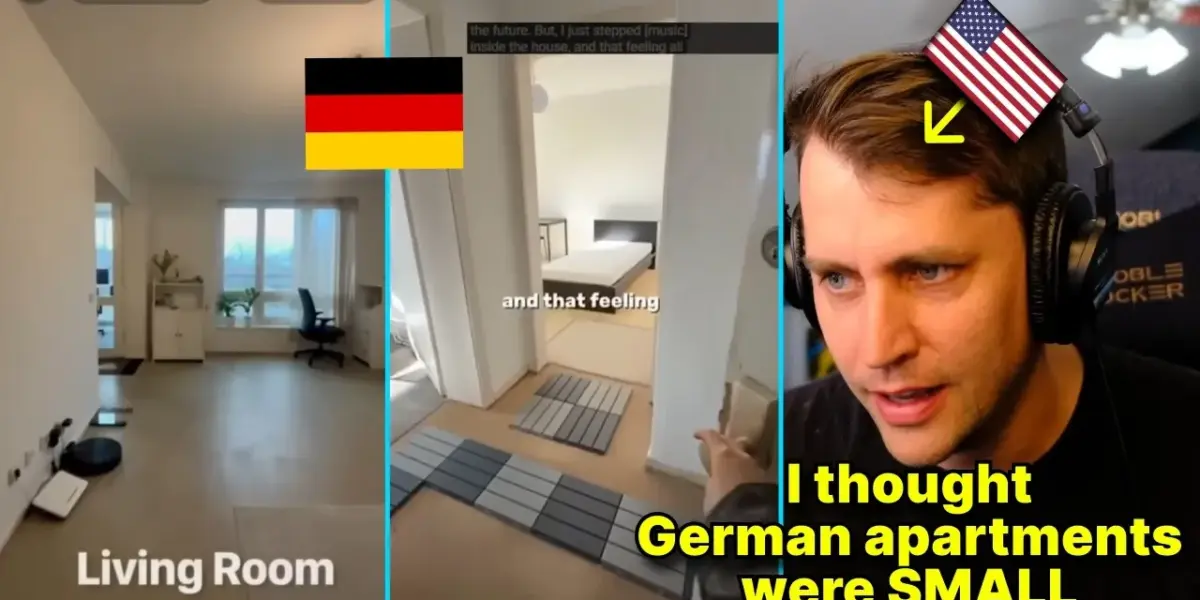
Americans are often surprised by the unique design and features of German apartments and dorm rooms, according to recent online reactions. Many find German architecture and building styles quite different from what they see in the United States. These differences create a sense of fascination for those exploring German living spaces.
One of the most striking features for American viewers is the entry hallway. Unlike many American apartments where you walk directly into the living space or kitchen, German apartments often have a dedicated pathway.
This area, with multiple doors leading to different rooms, provides a sense of separation and organization that is not commonly found in U.S. apartment designs. It creates a more defined entryway before entering the main living areas.
The size of some German apartments also challenges common perceptions. While it’s often heard that European living spaces are small, some German apartments shown in videos appear quite spacious.
One example from Berlin featured a large bedroom with impressive windows and a separate study room, offering a generous amount of space. This contradicts the stereotype that all European apartments are tiny.
Unique Kitchen Features Stand Out
German kitchens also present some novel ideas. One new resident in Germany was surprised by a refrigerator that looked like drawers, a design not typically seen in the U.S. These drawer-like refrigerators are a clever way to save space and integrate appliances seamlessly into the cabinetry. While some kitchens might appear a bit older, the clean, white aesthetic is often appreciated by residents.
The presence of an oven in many German kitchens is a welcome feature for those accustomed to them. For someone moving into a new place, having a functional oven is a significant plus. Even with minor things needing fixing, the overall satisfaction with the kitchen space is high for many new occupants.
Dorm Life Offers Affordability and Space
Student dorms in Germany can be surprisingly affordable, with one example showing a cost of €246 per month. This price point is significantly lower than what many students pay in the U.S., making German education potentially more accessible financially. However, a notable difference in these dorms is that furniture, like beds, often needs to be purchased separately by the student.
This contrasts with many U.S. dorm rooms, which typically come furnished. The shared spaces in German dorms, such as kitchens and hallways, are often described as large and well-equipped. The overall hallway area is considered part of the dorm living space, contributing to a more communal feel.
One student moving into a German dorm described her room as huge, twice the size of her previous one. This generous space allows for more comfort and personalization. Living with German housemates is also a new experience for some, offering opportunities for cultural exchange and personal growth.
Design Trends and Practical Amenities
White cupboards seem to be a popular trend in German apartments, contributing to a clean and modern look. Paired with light-colored hardwood floors, this creates a consistent and appealing aesthetic across different living spaces. While walls are usually white, residents often have the option to paint them, with the requirement to repaint them white upon moving out.
A common observation is the absence of a fixed light fixture in the ceiling, meaning residents often need to purchase and install their own. While this requires extra effort, it allows individuals to choose lighting that perfectly suits their style and needs. This personal touch can make a new space feel more like home.
Bathrooms in some German apartments also stand out, with one described as having a public restroom look due to the extensive tiling. However, a highly valued amenity is the in-apartment laundry. Unlike in the U.S. where laundry might be in a basement or separate facility, having a washer and dryer within the same apartment is a significant convenience.
Other practical features include underground garages and bicycle garages, which are noted for their cleanliness and organization. The presence of dedicated bicycle storage is particularly appreciated, reflecting a culture that often prioritizes cycling.
Why This Matters
The reactions highlight a broader discussion about housing standards, design preferences, and affordability. For Americans, seeing these German living spaces challenges assumptions about size and features, suggesting that innovative design can maximize space and functionality. It also brings attention to the cost of living and the value offered in different housing markets, particularly for students.
The differences in building practices and common amenities, like in-unit laundry versus shared facilities, point to varying cultural priorities and historical development of housing. Understanding these distinctions can offer insights into how different societies approach urban living and residential design. It encourages a look beyond one’s own familiar housing norms.
Implications and Future Outlook
As more people share their living experiences online, cross-cultural comparisons of housing become more common. This trend could influence design trends globally, as people become aware of and inspired by different architectural solutions. Developers and city planners might take note of these popular features, like efficient layouts and integrated amenities.
The affordability of German student housing, in particular, could become a point of interest for international students considering their options. This also raises questions about how housing costs are managed in different countries and what models are most effective for providing accessible living spaces. The emphasis on functionality and thoughtful design in German apartments suggests a focus on quality of life, even in smaller urban settings.
Historical Context and Background
Germany has a long history of apartment living, especially in its cities. Post-war reconstruction efforts and evolving urban planning policies have shaped the types of buildings constructed. There’s often a focus on efficient use of space and durable construction, which may explain some of the design choices observed, such as the emphasis on well-built windows and solid radiators.
The concept of renters’ rights and responsibilities also plays a role in German housing. For instance, the requirement to return painted walls to their original white state is a common practice that helps maintain property value and consistency for future tenants. This reflects a structured approach to property management and tenancy.
The variation in apartment styles, from older buildings with unique charm to modern constructions, shows a rich architectural heritage. The inclusion of features like separate hallways and dedicated study rooms can be seen as responses to the needs of modern living and a desire for distinct functional zones within a home.
The next wave of reactions will likely continue to explore these unique aspects of German living spaces. You can find these videos by searching for terms like “German apartment tour” or “German dorm room” on platforms like YouTube.
Source: American impressed by Beautiful German Apartments and Dorms (YouTube)

Related Articles


Socialist Leader Marks 100 Days, Defends Government Action
New York City's new socialist leader has defended her administration's approach after 100 days in office. She argued that government intervention is essential to solve problems and promised to fight for all New Yorkers. Key initiatives include housing, mental health services, and support for vulnerable communities.


Trump’s Ballroom Design Criticized by Experts
Architects and design experts are questioning the $400 million renovation of Donald Trump's ballroom. Criticisms focus on an oversized portico and a staircase that leads to nowhere, sparking debate about design priorities. The project raises broader questions about functionality and aesthetics in high-profile renovations.


Trump Envisions Grand Archway Near D.C.
Former President Donald Trump is proposing a monumental 250-foot arch near Arlington National Cemetery. The design features a golden Lady Liberty and lions, aiming for a grand national symbol. This project follows his past efforts to alter historic White House sites.