Iran Oil Blockade: Senator Urges ‘Starve’ Strategy
Senator Tommy Tuberville has proposed a stringent strategy against Iran, advocating for a full blockade of its oil exports, which currently generate about $175 million daily. This approach aims to cripple Iran's finances by forcing it to shut down oil wells due to storage limitations.

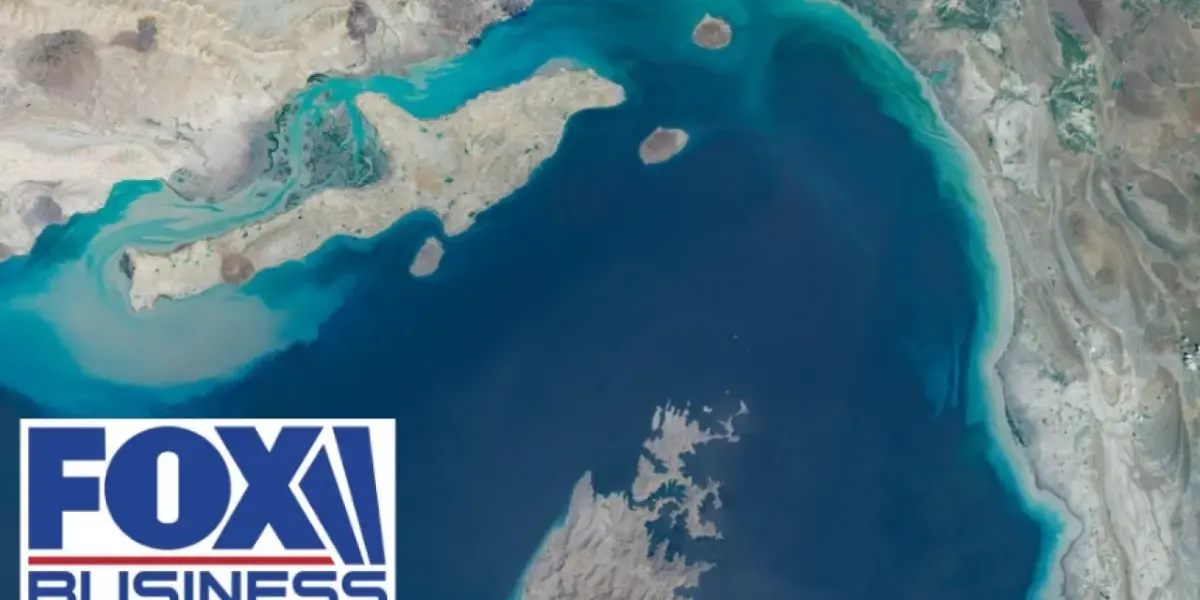
Senator Urges Tougher Stance on Iran’s Oil Exports
A potential blockade of Iran’s oil exports could significantly impact the nation’s finances, according to insights shared by Senator Tommy Tuberville. Iran has been exporting roughly $175 million worth of oil daily in the past month.
A blockade, potentially starting soon, could force Iran to shut down oil wells due to a lack of storage space. This move could lead to the collapse of the regime’s financial system.
The senator emphasized that President Trump holds the ultimate power in this situation, more so than any other global leader or even allies like the UAE or Saudis. The proposed strategy involves continuing the blockade to cut off Iran’s revenue. This approach aims to put immense pressure on the Iranian government by limiting its financial resources.
Targeted Strikes and European Allies
Beyond the economic blockade, the senator suggested a more aggressive military approach. He proposed identifying about 20 key targets within Iran.
These targets would be kept secret, and the U.S. would signal that any attempt to defend them would be met with consequences. This strategy involves intermittent, unpredictable strikes on these selected targets.
The senator also expressed skepticism about the willingness of European nations to take decisive action. He described them as being too soft and too focused on socialist policies, suggesting they have done little to address the situation effectively. The U.S., he argued, can handle its own problems and that President Trump is the capable leader to manage this challenge without relying on allies who have historically been hesitant to act.
Strait of Hormuz and NATO’s Role
The conversation touched upon the critical Strait of Hormuz, a vital waterway for global oil transport. The senator implied that a stronger show of force, perhaps from NATO allies, could signal to the world that shipping through the strait is safe. However, he also reiterated that the U.S. does not necessarily need the help of other nations.
President Trump is expected to continue pushing allies, particularly the U.K., France, and Italy, to contribute more actively. The message is clear: if they wish to participate in securing oil and gas supplies, they can do so, but the U.S. is prepared to act independently. The senator pointed out that these allies have not stepped up when asked in the past, questioning the concept of a true team effort in this geopolitical scenario.
Market Impact: What Investors Should Know
The proposed strategy of blockading Iran’s oil exports and potentially conducting targeted strikes carries significant implications for global energy markets. Iran’s daily oil exports, valued at approximately $175 million, represent a substantial portion of its national income. Disrupting these exports could lead to a reduction in global oil supply, potentially driving up crude oil prices.
Investors in the energy sector should monitor developments closely. A tightening oil market could benefit oil-producing nations and companies outside of Iran.
However, increased geopolitical tension in the Middle East, a region crucial for global energy flows, can also lead to market volatility. Fluctuations in oil prices can affect transportation costs, inflation, and the profitability of businesses across various sectors.
The emphasis on President Trump holding all the cards suggests a potential for unilateral U.S. action. This could bypass international consensus and lead to unpredictable market reactions.
The effectiveness of such a blockade would depend on enforcement and the response of other major oil-consuming nations. The financial strain on Iran could also have ripple effects on regional stability and international trade relationships.
Long-Term Implications
In the long term, a sustained pressure campaign on Iran could reshape regional alliances and global energy dynamics. If the blockade proves effective in curbing Iran’s oil revenue, it might influence the country’s behavior and its support for proxy groups. However, such aggressive tactics could also lead to prolonged instability and heightened risks in the Middle East.
For investors, understanding these geopolitical risks is crucial for portfolio diversification and risk management. The potential for supply disruptions and price spikes in the oil market requires careful consideration. The broader economic impact on countries heavily reliant on oil imports could also present both challenges and opportunities for investment strategies.
The ongoing debate highlights the complex interplay between international relations, energy security, and economic policy. The U.S. administration’s approach to Iran will continue to be a key factor influencing global energy markets and geopolitical stability in the coming months.
Source: This is how the US can 'put the pressure' on Iran, GOP senator reveals (YouTube)

Related Articles

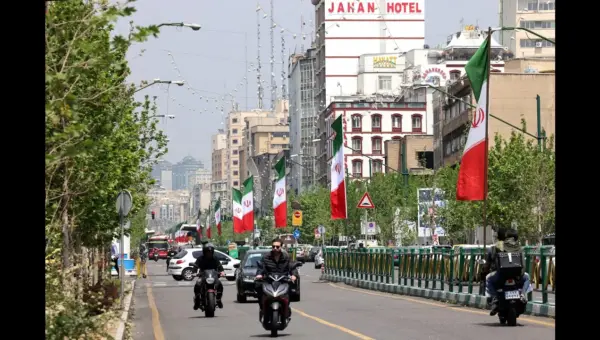
Iran’s Leaders Locked in Bitter Feud, Analyst Reveals
Iran's leadership is deeply divided and struggling to make decisions under U.S. pressure and economic sanctions. Analyst Cheyenne Shami believes the U.S. holds the upper hand, and Iran faces difficult choices that could lead to internal purges or regime collapse.
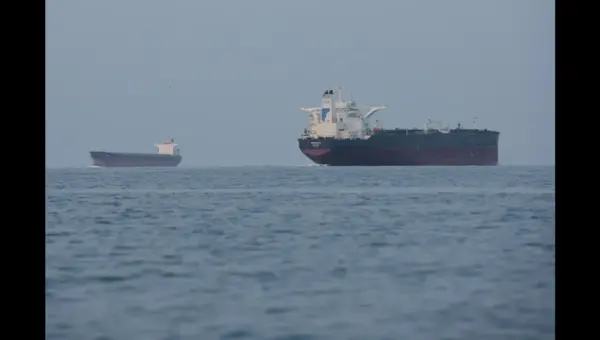
US Iran Tactic Signals New War Game for China
The US actions against Iran, including military and economic pressure, may be a test for a potential conflict with China. Observers suggest this strategy could be a rehearsal for blockading China's maritime lifelines. Leaders in the Indo-Pacific are watching these developments closely.

Iran Seizes Ships in Strait of Hormuz Amid Tensions
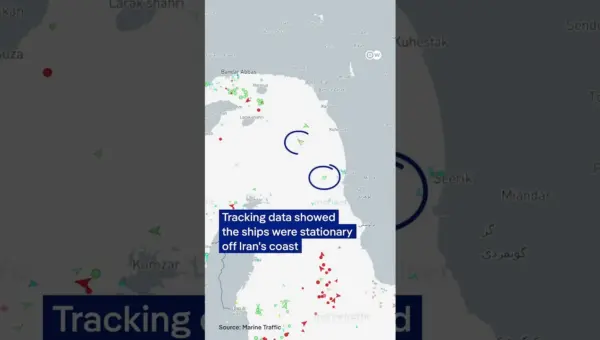
Iranian soldiers have seized two container ships in the Strait of Hormuz, a vital global shipping lane. Footage aired by state television shows the military operation amid heightened regional tensions. The incident raises concerns about maritime security and potential disruptions to international trade and energy supplies.