GOP’s Election Stunt Backfires, Democrats Gain Ground
Democrats have successfully pushed back against Republican attempts to manipulate election maps, winning a key referendum in Virginia. This move signifies a more assertive political strategy from the party. Meanwhile, ongoing conflicts in Iran and global supply chain disruptions pose significant challenges, potentially leading to widespread instability.


GOP’s Election Stunt Backfires, Democrats Gain Ground
The political landscape is buzzing with news from Virginia, where a statewide referendum on mid-decade redistricting has narrowly passed. This vote means Democrats are likely to gain a few seats in Congress. The move is seen as a significant setback for Republicans and former President Trump’s allies.
It all started when Trump suggested he was entitled to more congressional seats. Texas lawmakers responded by changing district maps without public input to favor him. Virginia’s plan, however, was different.
It was temporary and aimed to protect the state’s bipartisan redistricting commission for the future. The proposed maps were shown to the public before the vote.
Voters in Virginia understood they were making a temporary, responsive change. Millions of Virginians decided to take this step, leading to the referendum’s passage.
This outcome is a big deal for several reasons. Republicans had hoped to manipulate election maps to keep control of the House. This plan didn’t work out as they expected.
While districts will still be somewhat gerrymandered, the process seems to be balancing out. More importantly, this shows a shift in how Democrats are approaching political power. For years, many have felt Democrats were too passive.
They seemed unwilling to fight back hard against Republican tactics. This situation, along with actions in California and other states, shows Democrats are now willing to play harder.
Democrats are no longer prioritizing traditional norms over winning power. They saw Republicans attempting to gain an unfair advantage. In response, Democrats decided to counter with even stronger tactics.
This approach feels more organized and decisive than their usual national reactions. Some might argue Democrats have always opposed gerrymandering. They’ve tried to pass laws banning it.
However, right-wing judges have often upheld gerrymandering. Republican legislators have also blocked national efforts to ban it. While Democratic states have also gerrymandered in the past, Democrats have been more likely to support independent commissions.
The big picture is that both parties are looking for structural solutions. Some believe the constant back-and-forth over district maps is bad for the country. They argue politicians are choosing voters, not the other way around.
Until Republicans agree to structural changes, Democrats feel they cannot hold themselves back. Reactions from the right highlight the impact of this move. Eric Ericson noted that Republicans started the mid-decade redistricting fight in Texas.
He also pointed out the RNC spent no money to oppose the Virginia referendum. Gerard Baker from the Wall Street Journal called it a massive exercise in self-harm by MAGA. He suggested it’s risky to start a gerrymandering war when you’re the underdog.
While some reports suggest Democrats gained up to five seats nationally, the math might be closer to one net gain. Other states like Florida could still shift the balance slightly. However, it’s clear the outcome isn’t the huge win Republicans anticipated.
There’s also activity in Missouri that could affect the outcome. If current gerrymandered districts are used, one Democratic seat might be lost.
However, a court case could lead to older, less gerrymandered districts being used, potentially saving that seat. This whole situation challenges the common perception of the Democratic party as weak or too focused on rules.
Figures like Governor Gavin Newsom are credited with starting this pushback against Texas’s redistricting. This response became the default for Democrats nationwide. They decided not to be overly concerned with the norms around partisan gerrymandering.
They recognized the current moment as an existential threat to democracy. Just as Abraham Lincoln suspended habeas corpus during the Civil War, Democrats are taking strong action.
They still oppose gerrymandering but understand the need to win this fight now. This success doesn’t fit the typical narrative of Democratic action.
Why This Matters
This event is crucial because it demonstrates a strategic shift within the Democratic party. It shows a willingness to use power effectively, even if it means deviating from past principles. For years, critics have accused Democrats of being too soft.
They were seen as unwilling to engage in the same hardball tactics as Republicans. This redistricting battle, however, suggests a change.
Democrats are now prepared to fight for political advantage using the tools available to them. This could signal a new era of more assertive political maneuvering from the party.
Historical Context and Background
Gerrymandering, the practice of drawing electoral district boundaries to favor one party, has a long history in the United States. Named after Massachusetts Governor Elbridge Gerry, whose name rhymed with ‘mander,’ the practice has been used by both parties for centuries. The debate over its fairness and constitutionality continues.
In recent decades, partisan gerrymandering has become a major tool for Republicans to maintain control in many states, even when they don’t win the popular vote. The Supreme Court has largely stayed out of partisan gerrymandering cases, leaving it to states to decide.
Implications, Trends, and Future Outlook
The passing of the Virginia referendum and similar actions elsewhere suggest a trend. Political parties may increasingly engage in aggressive redistricting battles. This could lead to more polarized districts and less competitive elections.
Democrats may continue to push for structural reforms that ban partisan gerrymandering. However, they also seem prepared to use it themselves if necessary to counter Republican advantages.
The future outlook suggests continued intense battles over district maps. The public’s role in these decisions, as seen in Virginia and California, might become more prominent.
The situation with Iran remains complex and concerning. Despite talk of a ceasefire, tensions are high. Iran fired on three ships in the Strait of Hormuz, and the US has been involved in naval actions.
Hundreds of US service members have been injured, and there have been fatalities. The definition of a ceasefire in this context seems to mean not using bombs or missiles, but other aggressive actions continue. This ongoing conflict has global consequences, impacting supply chains and potentially leading to food shortages in developing countries.
President Trump’s public statements on the conflict have been erratic. He has spoken about the length of past wars while also emphasizing his desire for a good deal. His understanding of history, even recent events, has been questioned.
The conflict’s impact extends far beyond the immediate region. It threatens global trade and stability.
Countries reliant on imports for essential goods like petroleum and fertilizer face severe challenges. This could lead to widespread hunger and civil unrest in vulnerable nations.
The international community views the US role in this conflict critically. Even if the majority of Americans oppose the war, the perception of the US as belligerent can persist. Rebuilding trust with other nations will be a long process.
Future US administrations will need to demonstrate a commitment to diplomacy and cooperation. This involves not only stating intentions but also acting with humility and consistency on the global stage.
The current situation in Iran highlights the unpredictable nature of international relations. Proxy wars and attacks on infrastructure continue beneath the surface of official ceasefires. The economic fallout, including potential inflation in the US, is significant.
However, the humanitarian crisis brewing in parts of the world due to disrupted supply chains is even more alarming. The long-term consequences of this conflict could include increased global instability and resentment towards the United States.
Looking ahead, the US approach to foreign policy needs to be grounded in realism and humility. Promises of new eras may not be enough. Building credibility will require consistent, prudent actions.
Sharing intelligence and fostering stable relationships are key. This contrasts with past approaches that relied on grand pronouncements or unilateral actions. The goal should be to rebuild trust step by step, demonstrating a reliable and cooperative stance.
The conflict in the Middle East, coupled with domestic political battles, creates a challenging environment. The redistricting victory in Virginia is a notable win for Democrats. It shows a capacity for strategic action when faced with perceived threats.
However, the ongoing international crises demand attention and careful management. The coming months will test the leadership’s ability to navigate these complex issues effectively, both at home and abroad.
Source: LIVE: GOP TERRIFIED after Election Stunt BACKFIRES!! (YouTube)

Related Articles

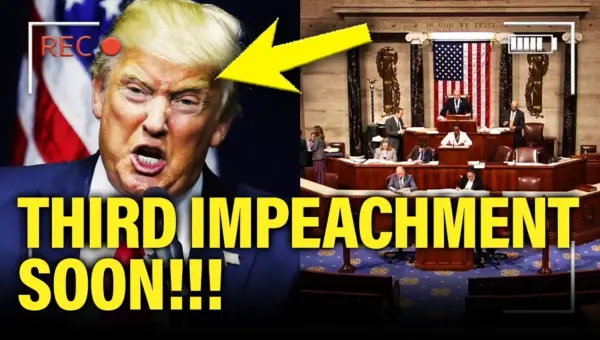
Trump’s Redistricting Gambit Backfires, Fuels Impeachment Fears
Donald Trump's strategy to redraw election maps has backfired, particularly after a key vote in Virginia. This has intensified fears of a third impeachment and sparked debates over fair representation and political accountability.


Virginia Voters Back Temporary Redistricting Map
Virginia voters have approved a constitutional amendment allowing the state legislature to redraw congressional district maps. Governor Abigail Spanberger highlighted the plan's temporary and responsive nature, contrasting it with partisan efforts in other states. The measure passed by a narrow margin, with voters having the final say.

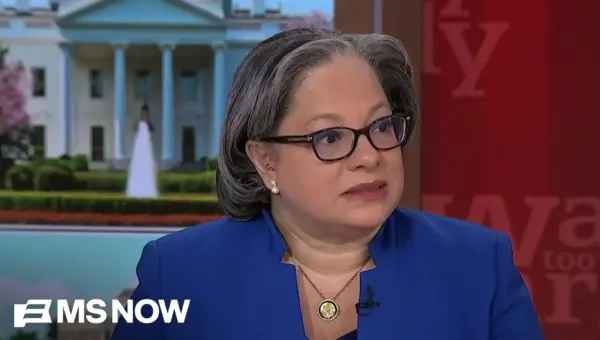
Virginia Voters Back Democrats in Redistricting Fight
Virginia voters have approved a constitutional amendment allowing the legislature to redraw congressional districts, potentially giving Democrats a significant advantage in upcoming elections. Congresswoman Jennifer McClellan views the vote as a rejection of Donald Trump's influence and a desire for voters to decide election outcomes. The move is part of a larger national battle over redistricting, with concerns raised about the increasing politicization of the process.