Trump Extends Ceasefire, But Oil Prices and Strait of Hormuz Remain Tense
President Trump has extended a ceasefire with Iran, but the Strait of Hormuz remains a point of tension, impacting global oil prices. Experts suggest both sides have suffered losses, and the path forward requires de-escalation and confidence-building measures. Donald Trump's negotiating tactics have been criticized as aggressive rather than diplomatic.

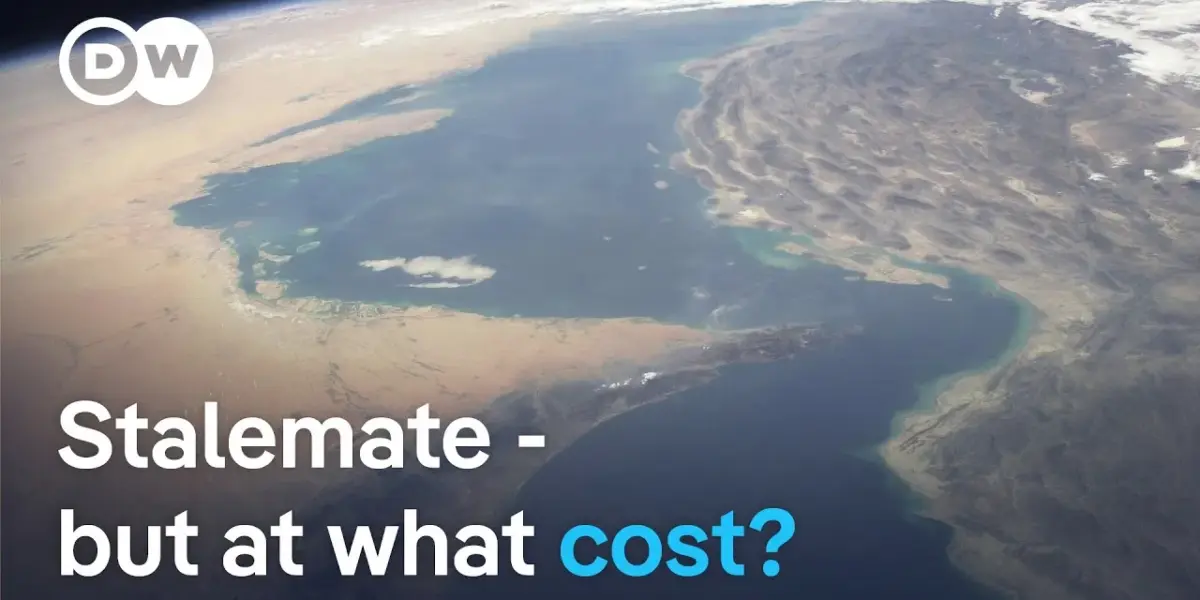
Ceasefire Extended Amid Ongoing Tensions
President Donald Trump has announced an extension of the ceasefire, a move prompted by a request from Pakistan’s Prime Minister Shabbaz Sharif and Field Marshall Aim Munir. This decision comes as the U.S. naval blockade of Iranian ports continues, leaving many critical issues unresolved. The extension aims to give the Iranian government, described by Trump as “seriously fractured,” more time to present a unified proposal.
However, a senior advisor to the Iranian parliament speaker, Mahdi Muhammadi, has labeled the U.S. actions as a “siege” and suggested a military response. He also warned that the ceasefire extension could be a tactic for a surprise attack, raising concerns about renewed hostilities.
Uneasy Calm and Global Economic Impact
Dr. Sultan Barakat, a professor at Hammad bin Khalifa University, believes the current situation represents a period of “welcome and easy calm,” particularly for Gulf countries seeking a return to normalcy. However, the ongoing discussions about blockades are expected to hinder the normalization of global oil prices.
Dr. Barakat suggests that both sides will likely use this extended period to improve their military readiness and negotiation positions. The original negotiation period was considered too short to yield significant results, making this extension a potentially positive development for diplomatic efforts.
Strait of Hormuz: A Lingering Concern
The Strait of Hormuz remains a focal point of concern, with little indication that Iran will allow unrestricted maritime traffic. Reports suggest that traffic through the strait is minimal, and the Iranian Revolutionary Guard may have attacked and detained at least two ships.
This continued disruption has significant implications for consumers, especially in Asian countries heavily reliant on oil and gas imports from the Gulf States. The situation is likely to keep global oil prices elevated, benefiting certain wealthy individuals and American companies that can profit from increased oil exploration and exports.
Winners and Losers in the Stalemate
The current stalemate has created both winners and losers. While consumers in Asia face higher prices, the U.S. strategically benefits from elevated oil prices, making its own oil and gas exports more profitable, particularly to Europe.
This situation also pressures China to buy oil on the international market rather than securing discounted deals directly from Iran. Dr. Barakat views the U.S. actions as carefully calculated to maintain global market control and secure a significant share, especially in the European market.
Iran’s Economic Losses and Negotiating Leverage
Reports suggest Iran is losing approximately $500 million per day due to the disruptions in oil trade, a significant portion of its income. While the exact figures are debated, it is clear that closing the Strait of Hormuz is detrimental to Iran’s economy. However, Iran has repeatedly stated that the strait is not entirely closed, allowing passage for non-American and non-Israeli ships.
The U.S. blockade appears intended to prevent any shipments that could benefit Iran, further complicating the situation. Despite its economic struggles, Iran may view its ability to influence global oil flow as its primary leverage against the United States and the world economy.
Assessing the Outcome: Has Anyone Won?
Both sides appear to have suffered losses in this conflict. The costs for both the U.S. and Iran have been substantial. While Iran might interpret its survival as a victory, it faces significant challenges, including a deficit of trust with its own people and neighbors, and the continued threat of potential attacks from the U.S. and Israel.
Both nations are attempting to project an image of victory, but neither has fully achieved its initial objectives. For Iran, maintaining the regime’s survival might be seen as a win, but major economic and political hurdles lie ahead.
The Path Forward: Negotiation and Confidence Building
The current situation suggests a need for both sides to moderate their initial maximalist positions. The U.S. may need to adjust its expectations beyond a complete surrender from Iran. Iran, while unlikely to compromise on its sovereign right to nuclear power generation, might be open to discussions on the grade of uranium enrichment and international monitoring to assure the world of its peaceful intentions.
Crucially, Iran needs to actively restore confidence regarding the Strait of Hormuz. This includes reassuring shipping and insurance companies about the strait’s safety and clarifying the presence of any potential minefields.
Critique of Trump’s Negotiating Tactics
Dr. Barakat expressed a lack of impression with Donald Trump’s negotiating tactics, describing them as more akin to “bullying” than genuine negotiation. He suggested that the approach and language used were not conducive to productive diplomacy. While acknowledging that others might disagree, Dr. Barakat’s personal view is that the tactics employed were not effective for achieving a lasting resolution.
The extension of the ceasefire provides a critical window for diplomacy, but the underlying tensions surrounding the Strait of Hormuz and global oil prices remain. The coming weeks will be crucial in determining whether this period of calm can lead to substantive agreements or if the risk of renewed hostilities will escalate.
Source: What Trump’s ceasefire extension means for oil prices, security and peace | DW News (YouTube)

Related Articles
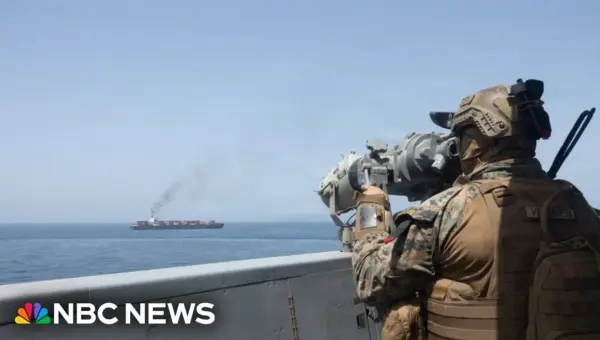
Middle East Tensions Flare Amid Ceasefire Extension
President Trump has extended a ceasefire with Iran indefinitely, but tensions remain high as Iran reportedly fired on cargo ships in the Strait of Hormuz. Meanwhile, a Federal Reserve nominee faces scrutiny on Capitol Hill, and severe weather and wildfires continue to impact parts of the U.S.

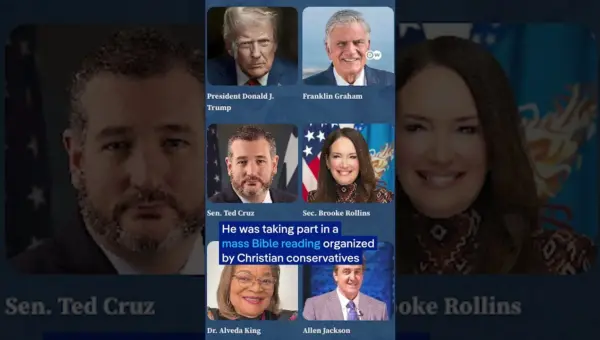
Trump Reads Bible Verse Amid National Prayer Call
Former President Donald Trump recited a significant Bible passage, 2 Chronicles 7:13-14, during a national prayer call. The verse, which speaks of God healing the land after repentance, was part of a broader spiritual initiative. This event highlights the continued intersection of faith and public life in the United States.

Iran Escalates Tensions: Ships Bombed, Hostages Taken
Iran has escalated tensions by attacking multiple ships in the Strait of Hormuz, causing damage and possibly taking hostages. Mysterious explosions also hit an oil refinery in Iraq and security checkpoints in Iran. These actions occur despite a reported ceasefire extension, signaling a dangerous rise in regional instability.