Poll Shock: Trump’s Numbers Echo Bush’s Lows Amid Economic Woes
New polling indicates Donald Trump's approval ratings are at historic lows, drawing comparisons to George W. Bush's second term. The ongoing Middle East conflict and persistent cost of living crisis are significantly impacting voter sentiment, with economic issues remaining the top concern. Republicans face a challenging landscape heading into the midterms as Democrats aim to capitalize on these trends.

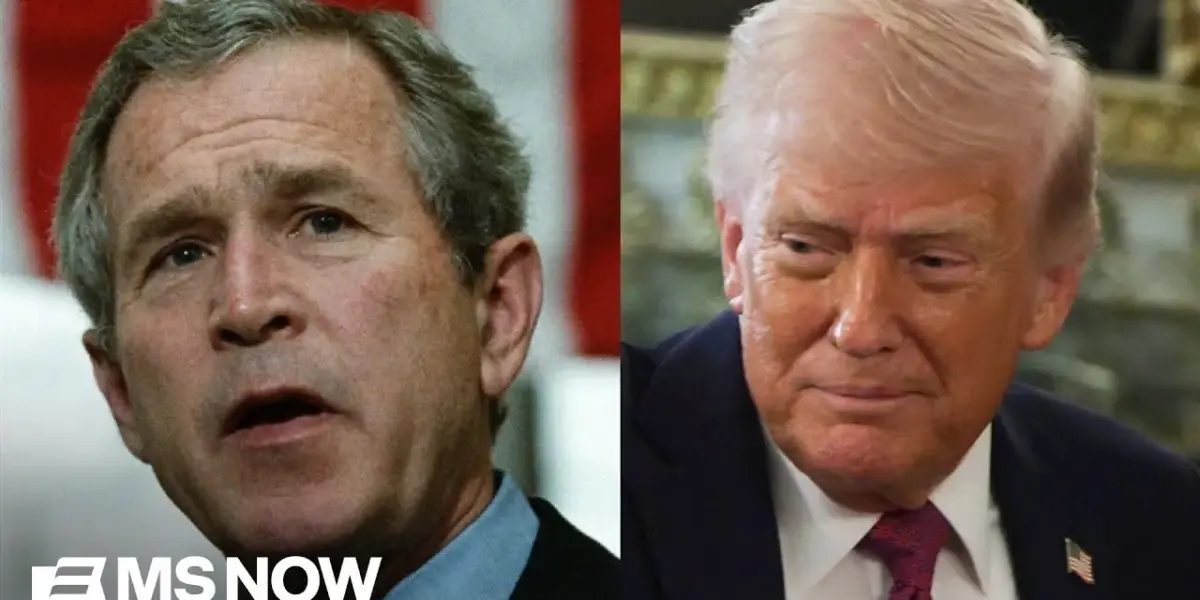
Poll Reveals Troubling Trends for Trump Amidst Economic Concerns
New polling data reveals a significant dip in public approval for Donald Trump, with his numbers drawing comparisons to the low approval ratings of former President George W. Bush during his second term.
The findings suggest that the ongoing conflict in the Middle East and persistent economic anxieties are significantly impacting voter perceptions. The poll highlights a concerning trend for Republicans as they look towards upcoming elections.
Cost of Living Crisis Dominates Voter Concerns
The poll indicates that the cost of living remains the top issue for American voters, a critical area where Trump’s administration is facing widespread disapproval. Only 23 percent of Americans approve of his job performance on this front, a figure that should alarm Republicans. This is particularly troubling given that voters supported Trump with the promise of improving their financial situations.
The situation is even more dire within the Republican party itself. A significant 47 percent of Republicans disapprove of Trump’s handling of the cost of living. This internal dissent suggests a potential disconnect between the party’s leadership and its base on a crucial economic issue.
Foreign Policy and Economic Woes Combine
The ongoing war in the Middle East appears to be a significant factor contributing to the negative poll numbers. Many Americans oppose the conflict, and rising gas prices are directly linked to the situation. This foreign policy challenge is also being interpreted by voters as a sign that Trump’s focus is not on their most pressing domestic concerns.
The poll shows that while Americans are frustrated with the president’s foreign policy, the economy remains their primary concern. In 2024, Trump was elected largely on his promise to lower prices. The current economic climate, with inflation and high costs, directly contradicts that pledge.
Republicans Face Uphill Battle in Midterms
The recent election results in Virginia serve as another indicator of potential trouble for Republicans in upcoming elections. Democrats are looking to capitalize on these trends, moving beyond simply opposing Trump to offering concrete solutions. They aim to present themselves as a party with a viable platform for the future.
With Republicans currently holding power across government, Democrats do not necessarily need to lead the charge on every issue. However, the current political climate presents a clear opportunity for them to gain ground.
Senate Control in Play, Democrats See Expanding Map
The current political environment suggests that the Senate is also on the table for Democrats. When a president’s approval rating drops below 40 percent, it often leads to deeper gains for the opposing party, even in traditionally strongholds. States like Ohio, Iowa, Maine, and Alaska, which Trump won handily, are now showing signs of shifting.
Despite the challenges in these states, Democratic performance in special and off-year elections has shown increased enthusiasm among their voters. This surge in turnout, combined with a potential shift of independent voters towards Democrats, could significantly expand their electoral map.
Corruption and Chaos Emerge as Key Democratic Themes
A closer look at successful campaigns, like the one against Viktor Orbán in Hungary, suggests that focusing on corruption can be a powerful strategy. While Orbán controlled many levers of state power, his opponent’s focus on costs and corruption resonated with voters. This approach seems to cut through the noise of other issues that can overwhelm voters.
Corruption is particularly potent because it taps into a feeling that politicians are prioritizing personal gain over the needs of ordinary families. This message, combined with concerns about affordability and the general chaos surrounding current events, presents a strong platform for Democrats.
Religious Rhetoric and Political Backlash
The political discourse has also seen unusual religious rhetoric, including comparisons of political figures to Jesus Christ and criticism of the Pope. This type of language can be alienating and may not resonate with a broad base of voters. The current American Pope, with his relatable background, may also shift the religious landscape in unexpected ways.
The strategy of blaming external factors, like Jesus, for political outcomes, such as war, is a risky one. Political figures must be careful not to alienate different religious groups or appear to be using faith for political gain. The incident involving Israeli soldiers and a statue of Jesus also highlights the potential for religious insensitivity to create backlash.
Trump’s Playbook Shows Cracks
Donald Trump’s long-standing political playbook, which emphasizes never accepting responsibility and always creating distractions, appears to be losing its effectiveness. His attempts to deflect from domestic issues by focusing on foreign policy or controversial religious topics are not yielding the desired results.
Voters remain focused on economic issues like gas prices, and Trump’s usual tactics are proving insufficient. The political landscape is shifting, and the familiar strategies that once worked are no longer connecting with the electorate. The upcoming elections will be a crucial test of whether these new challenges can be overcome.
Economic Priorities Remain Paramount
Ultimately, economic concerns and the issue of corruption are likely to dominate the political conversation. While the Biden administration faces its own questions regarding corruption, the focus on affordability and economic stability will continue to be the deciding factors for many voters. The political analyst team noted that the Republican party may have experienced a period of “irrational exuberance” after past wins, potentially leading them to neglect the persistent economic issues plaguing voters.
Source: 'A big bright light for GOP': Trump's numbers 'extremely reminiscent' of second term Bush: pollster (YouTube)

Related Articles

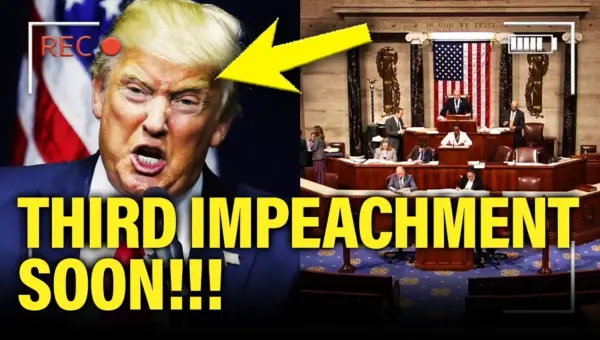
Trump’s Redistricting Gambit Backfires, Fuels Impeachment Fears
Donald Trump's strategy to redraw election maps has backfired, particularly after a key vote in Virginia. This has intensified fears of a third impeachment and sparked debates over fair representation and political accountability.
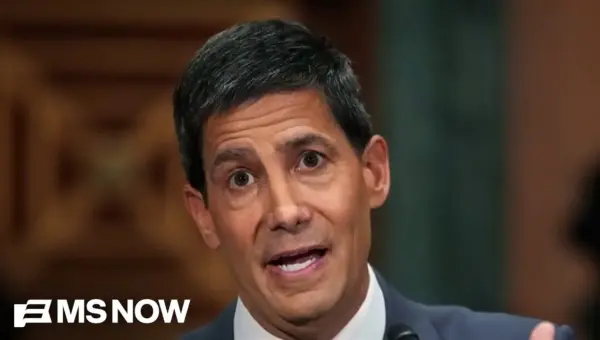
Fed Nominee Falters on 2020 Election Question, Faces Block
Kevin Warsh, President Trump's nominee for Federal Reserve chair, refused to confirm Joe Biden's 2020 election victory during a Senate hearing. This has led to strong criticism and a vow from Senator Tom Tillis to block his nomination. The incident raises questions about Warsh's independence and courage.
Iran Smells Fear: Trump’s Iran Strategy Falters
President Trump faces a complex situation with Iran, marked by shifting strategies and mixed messages. Meanwhile, California's Democratic party struggles to find a gubernatorial candidate, with Republicans leading the polls. Experts debate Iran's intentions and the U.S.'s best path forward, emphasizing strength and consistency.