Starmer Criticized for ‘Ephemeral’ Leadership, Mishandling Civil Service
Journalist Giles Coren has labeled Labour leader Keir Starmer an "ephemeral fellow," suggesting his leadership lacks substance and prioritizes self-interest. The critique emerged during a discussion about senior civil servant Sir Oliver Robbins' departure, highlighting a perceived pattern of conflict between politicians and experienced administrators. The conversation also explored the use of strong language in public discourse, with differing views on its appropriateness and effectiveness.

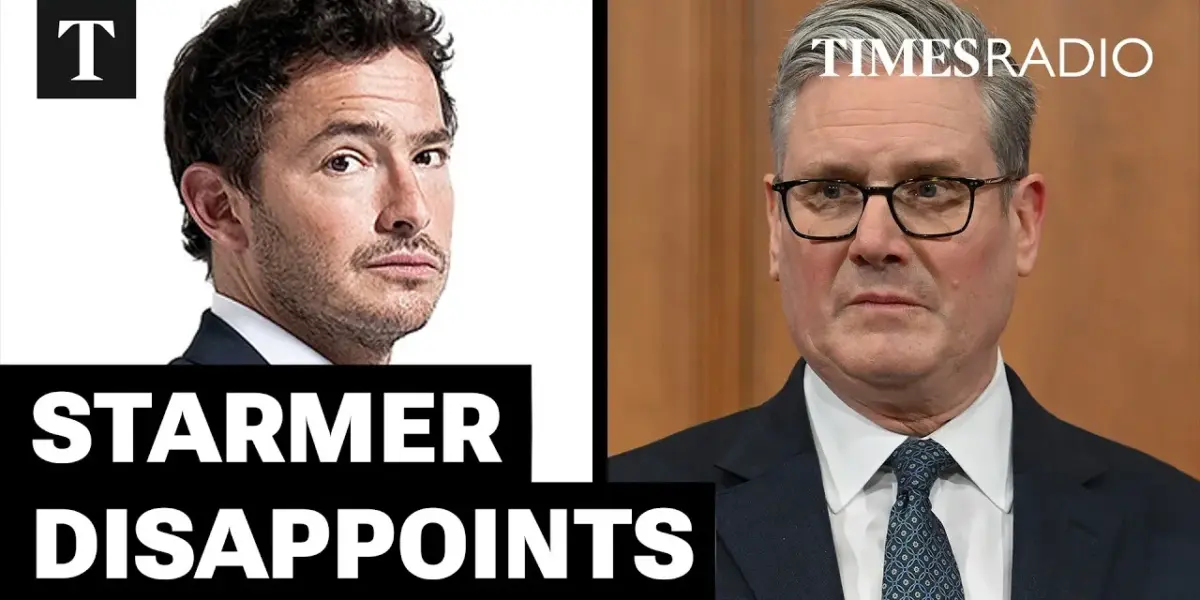
Starmer Accused of ‘Ephemeral’ Leadership, Lacking Substance
Journalist Giles Coren has sharply criticized Labour leader Keir Starmer, describing him as an “ephemeral fellow” who prioritizes his own position over genuine leadership. Coren initially believed Starmer to be a well-prepared and educated politician. However, he now feels Starmer is merely “after his own job” and lacks the depth he expected.
Coren’s comments emerged during a discussion about the departure of Sir Oliver Robbins, a senior civil servant, from his government role. The conversation, featuring insights from Edwina Currie, a former MP, and Coren, highlighted a perceived pattern of conflict between politicians and experienced civil servants.
Robbins’ Departure and Government’s Approach to Civil Service
The discussion centered on the circumstances surrounding Sir Oliver Robbins’ exit, with Coren expressing sympathy for him. He suggested Robbins was a capable individual who had to work under difficult leaders. Coren believes Robbins will likely be compensated generously, possibly through a settlement that avoids a formal employment tribunal, making him wealthier.
Edwina Currie added that Starmer appeared to pick a fight with the wrong person in Robbins. She suggested this situation could have long-term negative consequences for Starmer’s political future, predicting his potential premiership might end sooner than expected.
Civil Servants as ‘Workers’ Facing Political Mismanagement
“The civil servants in my experience really are the workers. They’re the ones that will stay up all night preparing the paperwork for you to make a speech or answer questions in the morning when you’re a minister.”
Currie emphasized the key role of civil servants, likening them to dedicated workers who support ministers. She noted that the government seems to misunderstand its democratic mandate, believing it exists to rule rather than to manage. This approach, she argued, overlooks the expertise of deeply thinking civil servants who understand the political process.
The article also points to a history of clashes between the current government and senior civil servants. It mentions the departures of Sir Philip Barton and cabinet secretaries Simon Case and Chris Wormald. This pattern suggests a mistaken belief that politicians are always right and civil service advice is secondary.
Debate Over Swearing in Public Discourse
The conversation shifted to the use of strong language in public life, sparked by Home Secretary Shabana Mahmood’s forceful response to a heckler. Mahmood told the individual to “f right off” during a political podcast recording. This comment drew parallels to Emily Thornberry’s use of similar language during her questioning of Sir Oliver Robbins.
Giles Coren, a self-proclaimed lover of language, offered his perspective on swearing. He views it not as a sign of low class but as a fundamental, expressive part of language’s evolution. Coren believes swearing’s appropriateness depends heavily on context, timing, and intent.
Context is Key for Expressive Language
Coren argued that swearing can be “funny and caring and clever and erudite and witty.” He feels it is acceptable in certain situations, such as live comedy, responding to hecklers, or when a woman of color is challenged. He specifically praised Mahmood’s use of the phrase “f right off” as powerful and well-placed.
Edwina Currie agreed, drawing from her upbringing in Liverpool where swearing was common. She stated that the restriction on swearing is more common in media settings like radio and television than in everyday life. Currie believes that in politics, strong language is often used, though typically avoided in formal parliamentary settings to maintain decorum.
Parliamentary Language and ‘Terminological Inexactitude’
The discussion touched upon parliamentary rules, specifically the inability to directly call someone a liar in the House of Commons. Coren argued this rule prevents language from becoming reductive, forcing more creative and nuanced expressions.
He cited Winston Churchill’s famous retort of “terminological inexactitude” as a prime example of how to challenge falsehoods cleverly. This approach, Coren suggested, preserves the integrity of debate while maintaining a level of civility. Currie countered that sometimes directness is needed when someone has clearly lied, though she acknowledged the effectiveness of Churchill’s formulation.
Looking Ahead: Starmer’s Political Future and Language Norms
The critique of Keir Starmer’s leadership style and the broader debate on language in public life suggest ongoing scrutiny of political figures and communication. Starmer’s perceived handling of experienced civil servants raises questions about his strategic judgment. Meanwhile, the acceptance and use of strong language in political discourse continue to evolve.
Future political events will likely show whether Starmer can overcome these criticisms and demonstrate a more substantive leadership approach. The ongoing discussion about appropriate language in public and political spheres will also remain a topic of interest.
Source: Starmer Unmasked As Another ‘Ephemeral Fellow’ Looking Out For Himself | Giles Coren (YouTube)

Related Articles

Starmer Faces Scrutiny Over Mandelson Appointment
Prime Minister Keir Starmer faced tough questions at PMQs regarding the vetting and appointment of Peter Mandelson as ambassador. Allies showed reluctance to defend Starmer's actions, raising concerns about leadership. The controversy intensified as Sir Ollie Robbins' testimony appeared to contradict official statements, leading to accusations of scapegoating and a flawed decision-making process.

Starmer’s Staff Shake-ups Cost Taxpayers Over £1 Million
Keir Starmer's leadership has incurred over £1 million in costs for taxpayers due to frequent staff dismissals. Meanwhile, a debate on parliamentary language and concerns over civil service relations cast a shadow over the Labour party as they head into a crucial Prime Minister's Questions session.

Tucker Carlson Expresses Remorse Over Trump Support
Tucker Carlson has publicly apologized for his past support of Donald Trump, stating he felt "tormented" by his previous endorsements. Journalist Molly Jong-Fast suggests this may be a strategic attempt by Carlson to reposition himself within the MAGA movement. The apology has sparked widespread debate about his motivations and future in conservative media.