Iran’s Post-Stalin State Fuels Delays: Ex-Diplomat Explains
A former Iranian diplomat likens Iran's current state to the post-Stalin Soviet Union, explaining the country's slow pace in international talks. Pakistan has emerged as a key mediator due to its unique geopolitical position. The internal damage and shifting nationalistic sentiments are reshaping priorities, with survival and economic stability taking precedence over regime change or human rights for many Iranians.

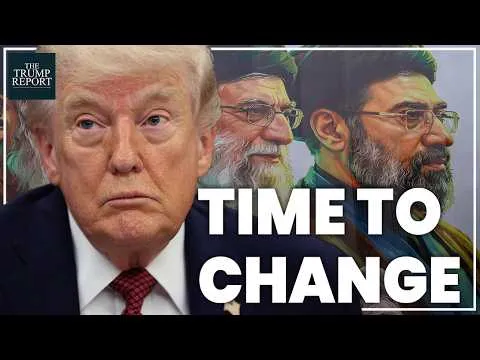
Iran’s Internal Struggles Slow Negotiations, Ex-Diplomat Reveals
Iran’s recent hesitations in international talks stem from its unique internal situation. Dr. Mered Honari, a former Iranian diplomat, compares the country’s current state to that of the post-Stalin Soviet Union. This complex internal dynamic significantly impacts its approach to diplomacy and negotiations.
Pakistan Emerges as a Key Mediator
Amidst ongoing talks and an expiring ceasefire, Pakistan has stepped forward as a crucial mediator. While Oman has historically played a similar role, its membership in the GCC, a body that has faced Iranian actions, makes its neutrality more challenging. Turkey, another potential intermediary, faces complications due to its NATO membership.
Pakistan, however, presents a more suitable option. It is an independent Islamic nation with strong ties to both Iran and Gulf countries, including a defense pact with Saudi Arabia. Its close relationship with China also offers a valuable channel for Iranian calculations, and it maintains good relations with the United States, making it a trusted broker for all parties involved.
Nuclear Ambitions and Past Tensions
The choice of Pakistan as a mediator is interesting, given it is not a signatory to the Nuclear Non-Proliferation Treaty and possesses nuclear weapons. The legacy of A.Q.
Khan, a notorious nuclear proliferator from Pakistan, is also a notable historical context. However, Dr. Honari suggests that these past issues have been largely set aside.
Ties between the U.S. and Pakistan have improved since 2016, with the U.S. accepting Pakistan’s nuclear status as a strategic counter to India. President Trump reportedly views Pakistan’s leader favorably, especially after Pakistan nominated him for the Nobel Peace Prize. These factors combine to make Pakistan a convenient choice for hosting sensitive negotiations.
Internal Divisions on Intervention and Regime Change
Inside Iran, there’s a division regarding foreign intervention and the possibility of regime change. Some Iranians, both domestically and in the diaspora, had hoped for external help to overthrow the current government, especially after facing brutal crackdowns. This hope was amplified by statements from figures like President Trump, who expressed support for the Iranian people.
However, an overwhelming majority of Iranians oppose foreign intervention, fearing attacks on their country. The significant damage to infrastructure and loss of life during recent conflicts has debunked the idea of humanitarian intervention for many. People are primarily concerned with ending the war and protecting Iranian assets and lives.
The Human Cost of Conflict
The damage within Iran has been substantial, with thousands killed and injured among the civilian population. Numerous businesses and production units, unrelated to the regime, have been destroyed, impacting key industries like steel and petrochemicals. The estimated economic damage runs into hundreds of billions of dollars.
This widespread destruction has shifted public sentiment away from calls for foreign intervention. Instead, the focus is on ending hostilities and preventing further damage to the nation’s infrastructure. The desire is to avert a return to a primitive state, a threat that has been voiced by some international figures.
Shifting Perceptions of the United States
President Trump’s rhetoric has significantly altered Iranian perceptions of the United States. While it’s difficult to gauge exact public opinion, Dr. Honari notes widespread resentment. Many Iranians who were previously pro-American, like himself, feel disappointed by recent events.
This disappointment has led to a less sympathetic view of the U.S., prompting some to consider alliances with countries like China and Russia for future development. This is a notable shift from previous attitudes, where such options were rarely contemplated.
Nationalism Over Ideology
Despite propaganda efforts, the conflict has not necessarily increased the Iranian regime’s popularity. However, it has united many Iranians against foreign aggression, aligning them with the regime’s stance against external attacks. This does not equate to support for the regime’s values or actions.
The regime has also used the situation to its advantage, arresting civil society activists and even resuming executions that were previously halted. This behavior has not endeared the regime to its people. Nevertheless, the population’s condemnation of the regime’s actions does not extend to condoning foreign attacks on Iran.
Nationalistic feelings have taken precedence over religious considerations, drawing parallels to Russia’s defense against Nazi Germany. The slogan of saving Mother Russia unified the nation, overshadowing Soviet ideology. Similarly, in Iran, the focus has shifted to national survival, with little emphasis on religious or Islamic rhetoric.
The Future of Iran: Pragmatism Over Ideals
Looking ahead, the human rights of the Iranian people remain a concern. However, the immediate future may see a transition from a theocracy to a more technocratic autocracy focused on practical solutions. This new leadership would prioritize addressing the daily needs of the population, such as water, electricity, food, and inflation.
While human rights are important, internal security and economic stability are currently the paramount concerns. The previous regime’s direction offered no remedies for these pressing issues. The hope is for a pragmatic government that can stabilize the country and meet the basic demands of its citizens.
The Dim Prospects of the Former Shah’s Son
The possibility of Reza Pahlavi, the son of the late Shah, returning to power appears unlikely in the current political climate. While he holds historical significance as the son of a king, he lacks the organizational structure and support within Iran necessary to advance his objectives.
The immediate priorities for the Iranian public are survival and providing for their families, especially in the face of soaring inflation. If sanctions are eased and Iran’s assets are unfrozen, the government will likely focus on economic recovery to prevent further unrest. Once basic needs are met, the educated population, aware of democratic principles, may eventually pursue further demands.
Advice for Negotiators and a Path Forward
Dr. Honari’s advice to the American negotiating team is to “give peace a better chance.” He suggests focusing on the core issue of Iran’s nuclear program, an area where President Trump has maintained a consistent public stance. A compromise on nuclear weapons and ballistic missile range could de-escalate tensions.
Iran’s ballistic missile program is primarily for deterrence, aimed at soft targets in the Gulf rather than long-range capabilities. This strategic necessity, coupled with weakened proxy groups, reduces Iran’s incentive for aggressive actions. The focus should be on supporting pragmatic elements within Iran to emerge after any deal.
By helping pragmatists, rather than discrediting them, the international community can facilitate a new path for Iran. A leader like Trump, focused on business, could open opportunities for economic ties between the U.S., Europe, and Iran, potentially transforming a difficult situation into a positive outcome.
Source: Trump must learn Iran is ‘like the post-Stalin Soviet state’ | Former Iranian diplomat (YouTube)

Related Articles

Iran Talks Stall as Trump’s Rhetoric Hinders Peace Efforts
Iran has refused to join upcoming peace talks with the US, citing President Trump's "victory lap" rhetoric as a major obstacle. Despite an extended ceasefire, the US blockade of Iranian ports continues, further complicating diplomatic efforts. Both nations are currently claiming victory, creating a stalemate that impacts global stability and Iran's struggling economy.

Trump Orders Military on Standby as Iran Ceasefire Extended
President Trump has placed the U.S. military on standby as a ceasefire with Iran has been extended. This decision comes amid complex negotiations, with Washington considering various strategies, including potential escalation, to address Iran's nuclear program and regional actions.

Americans Reject Trump’s Iran War Stance
A recent NBC poll reveals that 67% of Americans disapprove of Donald Trump's handling of the conflict with Iran, with 54% strongly disagreeing. This strong public opposition highlights a significant divide on foreign policy and raises questions about the administration's current strategy.