Hungary Elects New Leader, Shifting EU Power Dynamics
Hungary's recent election has removed Viktor Orbán from power after 16 years, signaling a major shift in European Union politics. The new government, led by Peter Magyar, aims to reintegrate Hungary into EU norms and strengthen its stance against Russian and Chinese influence. This change could lead to greater unity within the EU on foreign and security policy.

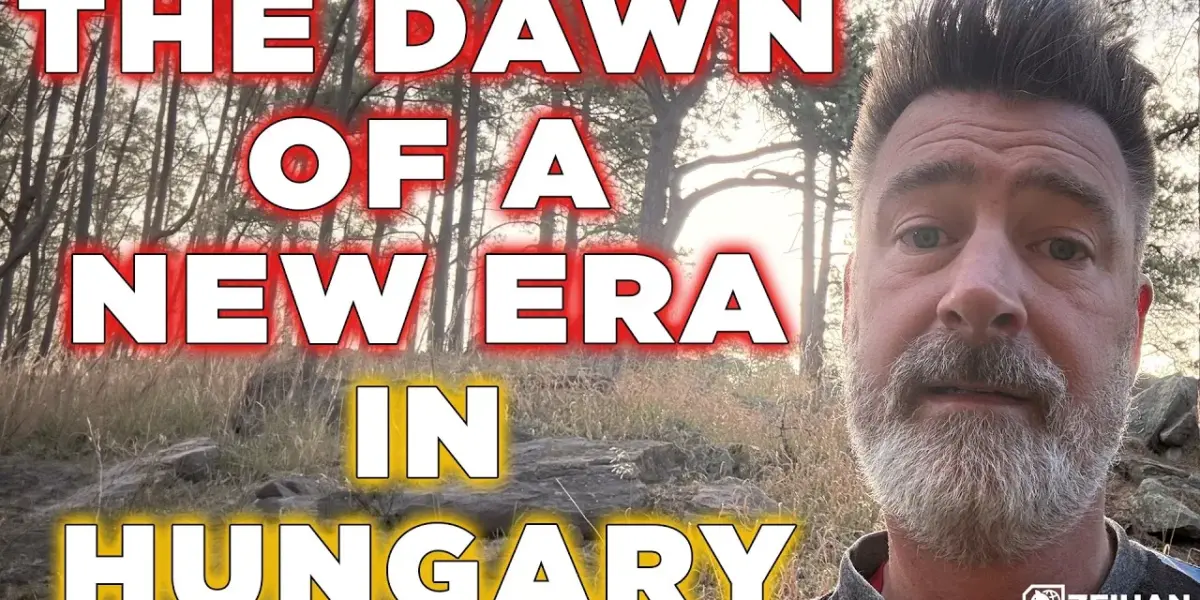
Hungary Elects New Leader, Shifting EU Power Dynamics
Hungary has elected a new government, ending Viktor Orbán’s 16-year rule. This change marks a significant moment for Hungary and the wider European Union.
Orbán, who called himself an “illiberal democrat,” had reshaped Hungary’s political system to maintain power. He also built close ties with China and Russia, seeing them as ways to balance Hungary’s membership in NATO and the EU.
While Hungary remained in NATO and integrated into the EU’s manufacturing, Orbán’s government often clashed with EU norms. He favored state control over media and appointed loyalists to the judiciary.
Hungary became a hub for Russian and Chinese intelligence operations in Budapest. The European Union generally welcomed Orbán’s departure, as his government often worked against common European security interests, especially concerning the war in Ukraine.
Understanding Hungary’s Electoral System
Orbán’s long tenure was partly due to Hungary’s unique electoral system. The system combines party-list proportional representation with local district elections.
Voters first choose a party, and then a local candidate. If a local candidate loses but gets a significant percentage of votes, those votes are then added to their party’s total in the proportional system.
This structure allowed Orbán’s party, Fidesz, to win a large majority of parliamentary seats even with less than half the total votes. For example, in a previous election, Fidesz won nearly 70% of the seats with about 47% of the vote. This system, combined with state control of media and loyalists in courts, helped Orbán maintain dominance.
The Rise of Tisza and Orbán’s Downfall
However, this system eventually contributed to Orbán’s defeat. Under his rule, Hungary became known as the most corrupt country in the European Union.
This, combined with his stance on security issues and the Ukraine war, led to widespread public dissatisfaction. Voter turnout was very high, nearly 80%, leading to a decisive victory for the new opposition party, Tisza.
Tisza won enough seats to potentially overturn policies enacted over the past 16 years, including the ability to change the constitution. This outcome is a major setback for Russia and China, whose influence in Hungary is expected to diminish rapidly. The new government, led by Prime Minister Peter Magyar, aims to reintegrate Hungary into European norms and strengthen ties with EU partners.
Reintegration and Future Challenges
The immediate priority for the new government is to align Hungary with European policies, particularly regarding the ongoing conflict in Ukraine. Removing Orbán’s allies from key positions within the government and judiciary will be a lengthy process. It took 16 years to consolidate power, so undoing it will also take considerable time and effort.
While Peter Magyar’s name suggests potential for good, he is relatively new to national leadership. He previously worked in the European Parliament.
His ability to navigate these complex challenges remains to be seen. However, he has strong tools at his disposal thanks to the new parliamentary majority.
Shifting European Politics
Orbán’s defeat is a significant development for European politics. His government was a major obstacle to internal EU consolidation, especially on foreign and security policy. With Hungary now expected to be more aligned with the EU, there is potential for greater unity among member states.
This comes at a crucial time as European nations are significantly increasing their defense spending. This is especially important given the evolving military technologies, such as drones, being developed by Russia. The removal of a pro-Russian voice within the EU could allow for more cohesive foreign policy decisions.
Historical Context and Regional Dynamics
Europe’s political landscape is shaped by historical divisions that predate World War II. The former Austro-Hungarian Empire, which dissolved after World War I, left a lasting impact on regional identities. The core area of this former empire, including Austria, Hungary, and Slovakia, has historically maintained a distinct sense of identity.
The cities of Vienna, Bratislava, and Budapest are geographically close, forming a unique Central European zone. This region has often acted independently, with Hungary historically playing a significant role within it. While Austria and Hungary now have governments aligned with pan-European views, Slovakia presents a potential challenge.
The Slovakian Factor
Slovakia recently re-elected Prime Minister Robert Fico. Fico shares many of Orbán’s views on European matters and NATO.
He also maintains close ties with Russia’s Vladimir Putin. Fico’s government in Slovakia is now somewhat isolated within the EU on these issues.
While Fico lacks the consolidated power base Orbán had, his differing perspective still represents a challenge to full European consensus. The EU’s decision-making process relies on consensus, meaning that even with Hungary’s shift, achieving unanimous agreement on all issues will remain difficult. The new majority in Hungary adds one more voice to the pro-European bloc, but it does not guarantee swift agreement on every matter.
Global Impact
Hungary’s election outcome is a positive development for the European Union’s unity and its stance against Russian influence. The departure of a government often seen as obstructive to EU foreign policy goals allows for a more cohesive approach to international challenges. This is particularly relevant as Europe increases its defense capabilities amid global security concerns.
The shift in Hungary signals a potential rollback of Russian and Chinese influence in Central Europe. European institutions, designed for consensus, will now benefit from an additional member state advocating for closer integration and shared security policies. This strengthens the EU’s ability to act as a unified bloc on the world stage.
Future Scenarios
The most likely scenario is a gradual but steady reintegration of Hungary into mainstream European Union policies. This will involve reforming domestic institutions and strengthening ties with Brussels. The challenge lies in the pace of these reforms and the potential for internal resistance from entrenched interests.
A less likely but possible scenario involves continued friction, particularly if regional dynamics, like Slovakia’s stance, create persistent divisions. However, the overwhelming electoral result in Hungary suggests a strong public mandate for change, making a return to Orbán-style policies improbable in the near future.
The new Hungarian government’s first major policy decisions regarding EU relations and foreign aid will be closely watched in the coming months.
Source: A New Era in Hungary: Orbán Gets the Boot || Peter Zeihan (YouTube)

Related Articles
US-Iran Talks Stall Amidst Internal Iranian Divisions
U.S.-Iran negotiations are stalled due to deep divisions within the Iranian leadership, particularly the growing influence of the IRGC. Despite a ceasefire extension, key questions remain unanswered about the path forward, the leverage Iran holds, and the potential for internal unrest within the country.

Congressman Slams Senator’s Iran Stance: ‘Cheer for US, Not Them’
Congressman Pat Fallon sharply criticized Senator Chris Murphy's recent social media post about Iran. Fallon argued that elected officials should support the U.S. and not appear to cheer for adversaries like Iran. The discussion also covered the resignation of a congresswoman facing fraud allegations.

Putin Wins Big as Ukraine Fights Back: A Strategic Gamble
Vladimir Putin is unexpectedly benefiting from global tensions, finding new markets for Russian oil. Ukraine's resistance is a key factor limiting Putin's financial gains. Meanwhile, Iran is strategically positioning itself by threatening vital shipping routes.