US-Iran Talks Stall Amidst Internal Iranian Divisions
U.S.-Iran negotiations are stalled due to deep divisions within the Iranian leadership, particularly the growing influence of the IRGC. Despite a ceasefire extension, key questions remain unanswered about the path forward, the leverage Iran holds, and the potential for internal unrest within the country.

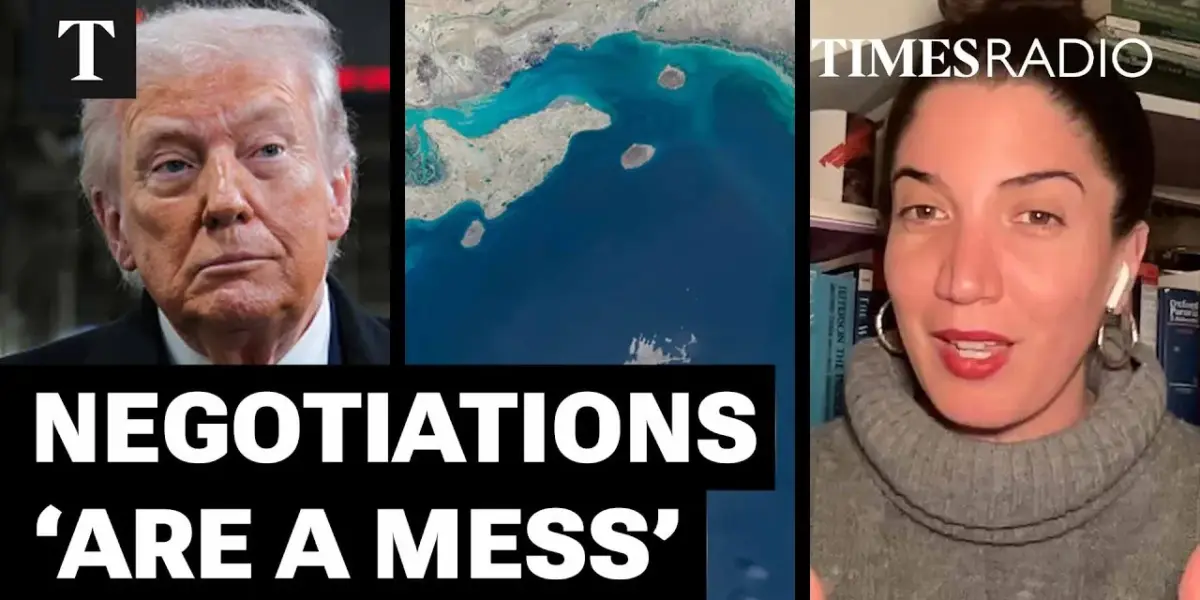
US-Iran Negotiations Hit Snag Amidst Iranian Leadership Rift
The ongoing negotiations between the United States and Iran are in a state of disarray, marked by internal divisions within the Iranian leadership and a lack of clear progress. As of today, a ceasefire remains in effect, but key figures like JD Vance have not traveled to Pakistan for talks, and the Strait of Hormuz remains blocked, indicating a complex and uncertain path forward. The situation is described by observers as a significant “mess,” with a wide gap in how different news outlets are interpreting the events.
IRGC’s Grip Tightens, Undermining Diplomatic Efforts
A central challenge in the US-Iran negotiations is the increasing control of the Islamic Revolutionary Guard Corps (IRGC). Many believe the IRGC is now firmly in charge, leading some to question if a de facto military coup has already occurred within Iran. This hardline military influence appears stronger than at the start of the current standoff, fueling the brinksmanship seen in the ongoing diplomatic efforts.
This internal power dynamic was highlighted when former Foreign Minister Mohammad Javad Zarif wrote an essay in Foreign Affairs magazine calling for an end to the 47-year conflict with the U.S., suggesting it was the only way for the regime to survive. However, the IRGC swiftly labeled him a traitor, and Zarif has not been heard from since. This silencing indicates a significant lack of appetite for peace, especially when the IRGC insists on maintaining support for proxies like Hezbollah and Hamas, which they use to export their revolution and exert influence, such as their occupation of Lebanon.
Economic Strain Versus Strategic Leverage
While the Iranian economy is reportedly much weaker, the IRGC has managed to gain significant leverage, particularly through actions in the Strait of Hormuz. This creates a paradox: the nation suffers economically, yet its military wing wields greater power on the international stage than before the conflict escalated. The global economic downturn, impacting everything from jet fuel prices to summer travel plans, further complicates the situation, creating a grim outlook, especially for the Iranian people.
Internal Repression and Public Discontent Grow
Reports from within Iran paint a concerning picture, with confirmed executions taking place. President Trump has publicly called on the Iranian government to halt planned executions of women.
The economic hardship is widespread, with many Iranians jobless, exacerbated by the longest state-imposed internet blackout in history. Despite the cost and risks, people are using VPNs, though many are now linked to the government, offering little real security.
The situation is dire, with electricity and water shortages expected to worsen over the summer. People are described as “fed up” and having “nothing to lose,” increasing the potential for an uprising.
The Iranian regime, recognizing this threat, is actively trying to prevent widespread public revolt. This internal pressure, combined with external diplomatic challenges, leaves the regime in a precarious position, relying heavily on its leverage in the Strait of Hormuz.
Ceasefire Extended Amidst Unanswered Questions
In a late development, President Trump announced via Truth Social the extension of the ceasefire with Iran until talks progress. He also stated that the blockade of Iranian ports would continue until Tehran presents a unified proposal. This announcement came unexpectedly, leaving many with more questions than answers regarding the timeline and specifics of the proposed discussions.
The President’s statement cited the “seriously fractured” nature of the Iranian government as a reason for the extension, made at the request of Pakistan’s leadership. However, the lack of a new deadline and the President’s refusal to answer reporter questions following an event at the White House have added to the uncertainty surrounding the diplomatic process. The exact nature of the proposal expected from Iran, and whether the U.S. will accept continued support for proxies like Hezbollah and Hamas or Iran’s right to enrich uranium, remains unclear.
Pakistan’s Role and Behind-the-Scenes Efforts
Pakistan appears to be playing a key role in attempting to keep the U.S.-Iran talks on track. Despite expectations that envoy JD Vance would travel to Pakistan, he remains in Washington, D.C.
This situation highlights the ongoing efforts and behind-the-scenes diplomacy aimed at resuming ceasefire talks between the two nations. The lack of clarity from President Trump leaves observers waiting for further developments, though the continuation of the hostilities’ cessation offers a temporary reprieve.
The announcement itself, made on a social media platform rather than through official channels, highlights the unconventional nature of these diplomatic exchanges. The focus now shifts to whether Iran can present a unified proposal and what the next steps will be in concluding these discussions, one way or another.
What to Watch Next
The coming days will be critical in determining the future of U.S.-Iran relations. Key developments to monitor include whether JD Vance and his delegation will travel to Pakistan, any official statements from the Iranian government regarding a unified proposal, and the continued adherence to the ceasefire. The internal political dynamics within Iran and the global economic context will also play significant roles in shaping the outcome of these complex negotiations.
Source: Why The US-Iran Negotiations ‘Are A Mess’ | Suzanne Kianpour (YouTube)

Related Articles
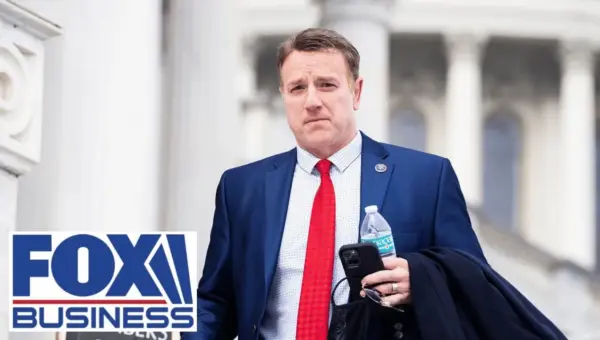
Congressman Slams Senator’s Iran Stance: ‘Cheer for US, Not Them’
Congressman Pat Fallon sharply criticized Senator Chris Murphy's recent social media post about Iran. Fallon argued that elected officials should support the U.S. and not appear to cheer for adversaries like Iran. The discussion also covered the resignation of a congresswoman facing fraud allegations.

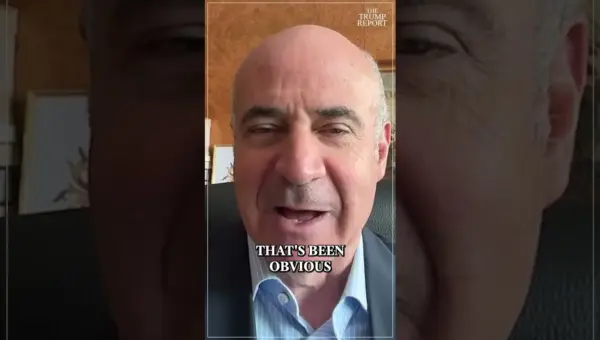
Putin Wins Big as Ukraine Fights Back: A Strategic Gamble
Vladimir Putin is unexpectedly benefiting from global tensions, finding new markets for Russian oil. Ukraine's resistance is a key factor limiting Putin's financial gains. Meanwhile, Iran is strategically positioning itself by threatening vital shipping routes.
Iran Nuclear Talks Stall Amidst Enrichment Dispute
Discussions on Iran's nuclear program are stalled, with uranium enrichment remaining a key point of contention. Meanwhile, a Ukrainian diplomatic gambit involving the name 'Don Land' aims to capture U.S. attention. The EU is proceeding with significant financial aid for Ukraine, despite fluctuating U.S. sanctions policy impacting Russian oil.