Virginia Voters Back New Redistricting Rules
Virginia voters have approved a ballot measure creating an independent redistricting commission. The measure transfers the power to draw electoral maps from lawmakers to a 16-member commission, aiming to reduce gerrymandering and increase fairness. This reform seeks to make districts more competitive and representative of the state's population.

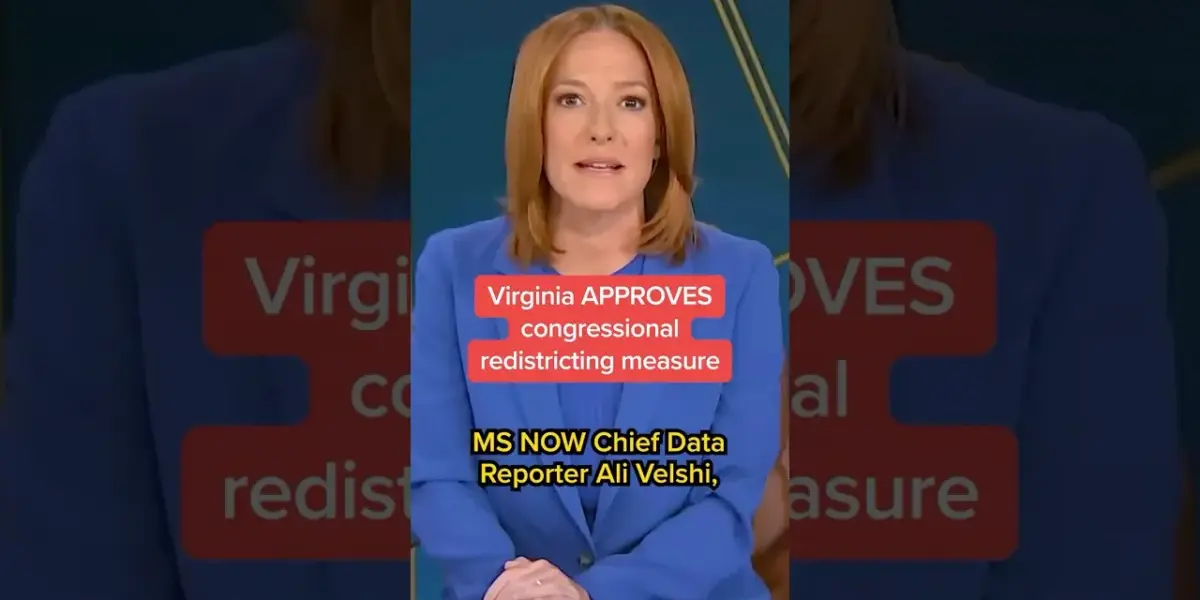
Virginia Voters Approve Redistricting Overhaul
Virginia voters have approved a ballot measure that will change how the state draws its congressional and legislative districts. The Associated Press projected the referendum’s passage, signaling a significant shift in the state’s political landscape. This decision empowers a newly created commission to handle the once-a-decade task of redistricting, taking it away from lawmakers.
The referendum, appearing on the ballot as a constitutional amendment, asked voters whether they supported creating an independent redistricting commission. This commission would be responsible for drawing boundaries for the state Senate, House of Delegates, and U.S. House of Representatives seats. The measure’s approval means this new body will now take over the process, aiming for fairer representation.
What is Redistricting and Why Does it Matter?
Redistricting is the process of redrawing electoral district boundaries to reflect population changes. These boundaries determine who represents you in government, from local councils to Congress. The party in power often tries to draw districts in a way that benefits their candidates, a practice known as gerrymandering.
Gerrymandering can lead to uncompetitive elections and make it harder for voters’ voices to be heard. For example, imagine a district drawn so that one party’s voters are clustered together, ensuring they win, or spread thinly across multiple districts to dilute their influence. This new measure aims to prevent such political manipulation.
The New Redistricting Commission
Under the approved amendment, the redistricting commission will consist of 16 members. Eight members will be legislators, and eight will be citizens chosen from across the state. The legislative members will be selected by the General Assembly leadership.
Citizen members will be chosen through a specific process involving an application review by a judicial panel. This structure is designed to balance political input with public representation. The goal is to create districts that are more competitive and representative of the state’s diverse population.
How the Process Will Work Now
The newly formed commission will be responsible for proposing new district maps. These maps must adhere to strict criteria, including ensuring districts are drawn without regard to political affiliation or partisan advantage. They must also comply with federal and state laws, such as the Voting Rights Act, which protects minority voting rights.
Public input will be a key part of the commission’s work. The process requires public hearings and comment periods, allowing citizens to voice their opinions on the proposed maps. This transparency aims to build trust and ensure the final districts reflect the will of the people, not just politicians.
Arguments For and Against the Measure
Supporters of the measure argued that it would reduce partisan gerrymandering and lead to more competitive elections. They believe an independent commission is less likely to draw districts for political gain. This, in turn, could increase voter engagement and make elected officials more accountable to their constituents.
Opponents, primarily some lawmakers, expressed concerns that the commission might not be truly independent or that the process could be bogged down by disagreements. Some worried that the legislative branch would lose too much control over a fundamental aspect of its own composition. However, the voters ultimately sided with the reform advocates.
Broader Implications for Virginia Politics
The approval of this redistricting reform is a significant moment for Virginia. It reflects a public desire for a more fair and less partisan approach to drawing electoral maps. This change could lead to a more balanced representation in the state’s congressional delegation and legislative bodies in the coming years.
By shifting power from the legislature to a mixed commission, Virginia joins other states that have sought to depoliticize the redistricting process. This move could influence similar reform efforts in other states considering changes to how districts are drawn.
What to Watch Next
The next step involves the formal establishment of the redistricting commission. The General Assembly will need to pass legislation to set up the specific procedures for selecting the citizen members and outlining the commission’s operational rules. The public will be watching closely as the commission begins its work, with the first maps expected to be drawn following the next U.S. Census.
Source: Virginia APPROVES congressional redistricting measure (YouTube)

Related Articles


Trump’s Redistricting Gamble Backfires in Virginia
A recent ballot initiative in Virginia, triggered by Donald Trump's push for favorable redistricting, resulted in a significant loss for his allies. The vote highlighted voter frustration with Trump's strategies and a broader dissatisfaction with his administration's policies, particularly on the economy. This outcome suggests a growing power of voter will over political manipulation.

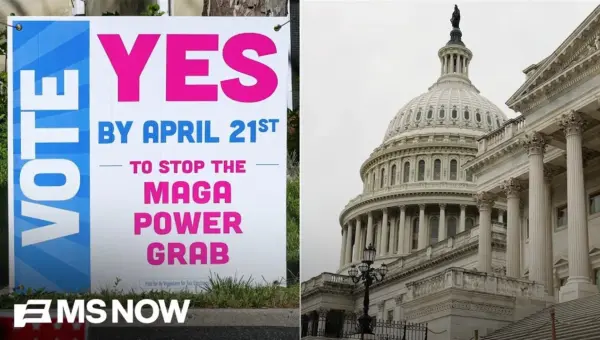
Virginia Voters Approve Map Shift Favoring Democrats
Virginia voters have narrowly approved a ballot measure to redraw congressional districts, a move expected to benefit Democrats by potentially adding four U.S. House seats. The decision follows a trend initiated by Donald Trump and highlights the ongoing partisan battles over electoral maps. Experts predict significant Republican losses in the state as a result of the new map.

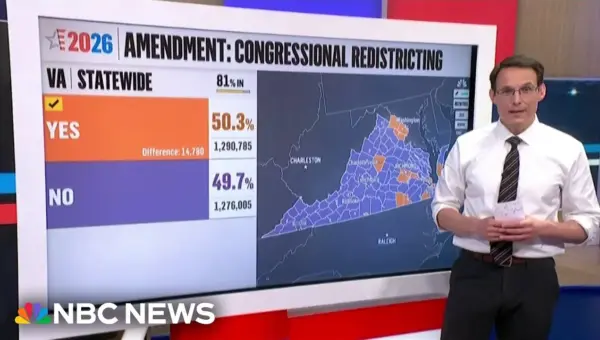
Virginia Voters Approve New Map, Boosting Democratic House Hopes
Virginia voters have approved a new congressional redistricting amendment, significantly reshaping the state's political map. The decision is projected to create a map with ten Democratic seats and one Republican seat, potentially giving Democrats the gains they need to win control of the U.S. House of Representatives.