Trump’s Tariff Tactic: ‘Mob Boss’ Strategy Sparks Debate
Former President Donald Trump's alleged plan to offer tariff refunds in exchange for political support is drawing comparisons to 'mob boss' tactics. This strategy could reward allies and punish opponents, raising concerns about fairness in trade policy. The discussion also touches on potential developments involving Tucker Carlson and an extension of the Iran ceasefire.

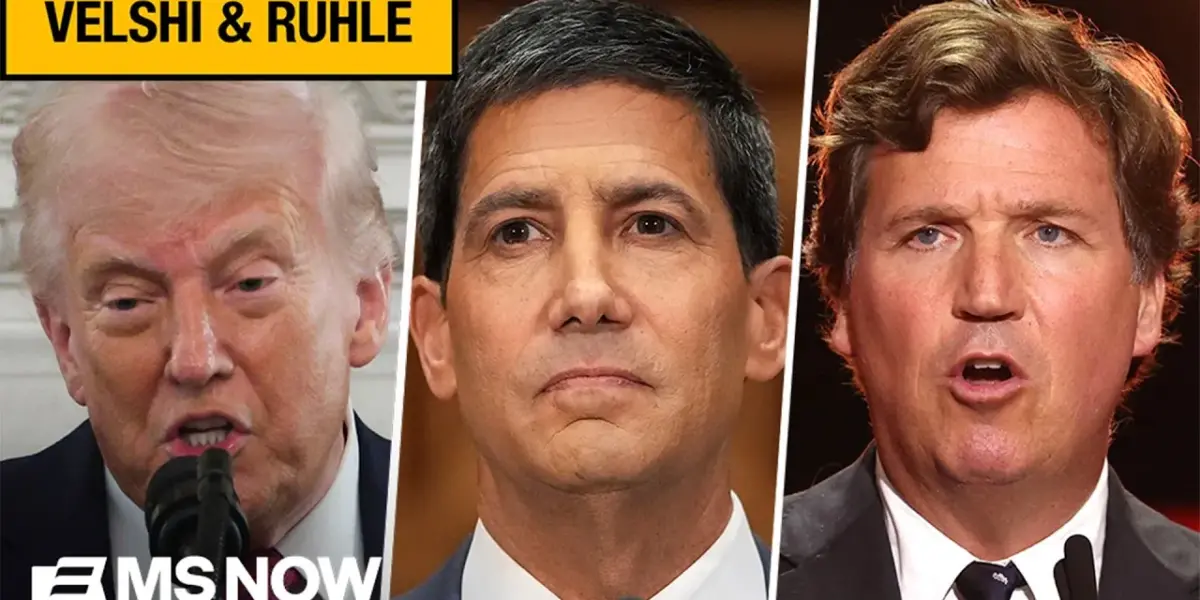
Trump’s Tariff Tactic: ‘Mob Boss’ Strategy Sparks Debate
Former President Donald Trump’s approach to tariffs and potential refunds is drawing sharp criticism, with some comparing his strategy to that of a “mob boss.” The discussion, highlighted on MS NOW’s “Morning Joe,” centers on Trump’s alleged plan to use tariffs as leverage for political gain, potentially offering refunds to specific industries in exchange for support. This tactic raises serious questions about fairness and the rule of law in trade policy.
The core of the controversy lies in Trump’s reported suggestion that he could selectively refund tariff payments to certain industries. This would effectively allow him to reward allies and punish opponents, blurring the lines between economic policy and political retribution. Critics argue this approach undermines the integrity of trade agreements and creates an uneven playing field for businesses.
Understanding Trump’s Tariff Strategy
During his presidency, Trump imposed significant tariffs on goods from various countries, citing the need to protect American industries and jobs. These tariffs increased the cost of imported goods, aiming to make American products more competitive. However, the economic impact of these tariffs has been widely debated, with some studies suggesting they led to higher costs for consumers and businesses.
The current discussion revolves around a potential second Trump term and how he might handle these existing or future tariffs. Reports suggest Trump is considering offering refunds on tariffs paid by specific sectors, such as manufacturing or agriculture, if they publicly support his campaign. This selective refunding plan is what has drawn the “mob boss” comparison.
The ‘Mob Boss’ Analogy Explained
The “mob boss” comparison suggests a leader who uses threats and favors to maintain control and loyalty. In this context, Trump would be using the power of tariffs – a government tool – to extract political concessions. Businesses that comply with his demands might receive financial benefits through tariff refunds, while those who do not could face continued or even increased trade penalties.
This strategy is concerning because it appears to prioritize political loyalty over sound economic principles. Instead of applying trade policies consistently and fairly, the decision on who benefits from tariff relief would be based on political alignment. This creates an environment of uncertainty and potential corruption, where businesses might feel pressured to engage in political activities to secure favorable trade terms.
Broader Implications for Trade and Politics
Such a strategy could have far-reaching consequences for both the economy and the political system. Businesses might become more focused on currying political favor than on innovation and efficiency. This could distort markets and lead to misallocation of resources, ultimately harming economic growth.
It sets a dangerous precedent for future administrations. If tariff policy can be used as a tool for political bargaining, it could lead to constant manipulation of trade rules for partisan advantage. This would erode trust in government institutions and make long-term economic planning extremely difficult for companies operating both domestically and internationally.
The Tucker Carlson Situation
The transcript also briefly mentions Tucker Carlson, suggesting a potential apology or statement from him related to recent events. While the details are not provided, Carlson’s public commentary often touches upon political and economic issues, and his involvement in discussions surrounding Trump’s policies would likely attract significant attention.
The context suggests that Carlson may have made statements that required clarification or retraction, particularly concerning sensitive political topics. Without further information from the transcript, it’s difficult to ascertain the exact nature of the apology or its impact on public discourse.
Iran Ceasefire Extension
In addition to the domestic political and economic discussions, the transcript notes an extension of the ceasefire in Iran. This indicates a development in international relations and a potential de-escalation of conflict in the region. Such extensions are often the result of complex diplomatic negotiations and can have significant implications for regional stability and global energy markets.
Details regarding the specifics of the extension, the parties involved, and the terms agreed upon are crucial for understanding its true impact. However, the mention itself suggests a positive step towards peace, albeit one that requires careful monitoring of ongoing geopolitical dynamics.
Looking Ahead
The coming weeks will likely see further scrutiny of Donald Trump’s proposed tariff refund strategy. Business leaders and economists will continue to analyze its potential impact on the economy and the fairness of trade practices. Public and political reactions to these proposals will also be closely watched as the election cycle progresses.
Any further developments regarding Tucker Carlson’s public statements or the specifics of the Iran ceasefire extension will be important to track. These stories highlight the complex interplay between domestic politics, economic policy, and international relations that shape the current news cycle.
Source: Tucker Carlson's APOLOGY | Trump's 'mob boss' strategy on tariff refunds | Iran ceasefire extension (YouTube)

Related Articles
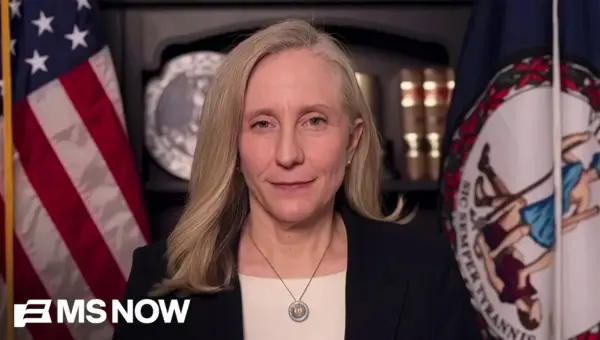
Virginia Voters Reject Trump’s Redistricting Plan, Bolster Dems
Virginia voters have approved a new redistricting plan, a move that could shift the balance of power in the House of Representatives and deal a blow to Donald Trump's influence. Governor Abigail Spanberger celebrated the victory, calling it a rejection of a "campaign of lies" and a win for democracy. The plan is expected to create more favorable districts for Democrats, potentially impacting the upcoming midterm elections.
Tucker Carlson Expresses Remorse Over Trump Support
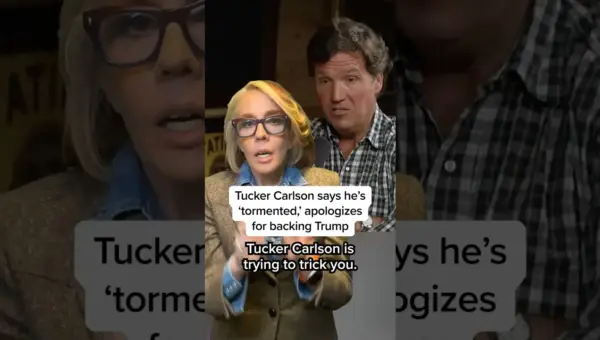
Tucker Carlson has publicly apologized for his past support of Donald Trump, stating he felt "tormented" by his previous endorsements. Journalist Molly Jong-Fast suggests this may be a strategic attempt by Carlson to reposition himself within the MAGA movement. The apology has sparked widespread debate about his motivations and future in conservative media.
Trump’s Tariff Refund Tactics Draw ‘Mob Boss’ Accusations
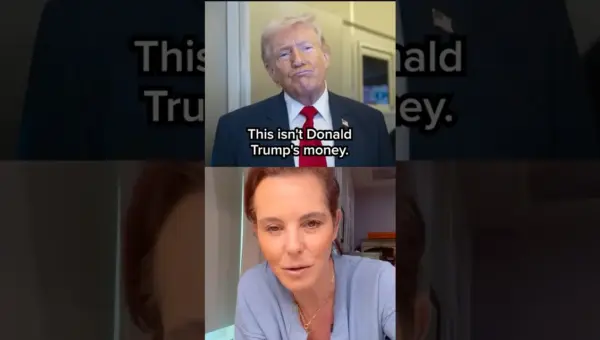
President Donald Trump's recent comments about tariff refunds have sparked accusations of "mob boss" tactics. Critics argue he is pressuring companies to forgo legally owed refunds for tariffs ruled illegal by the Supreme Court. The administration has opened a portal for companies to claim over $160 billion.