Trump Extends Iran Ceasefire Amid Price Hikes, Faces Tough Choices
President Trump has extended the ceasefire with Iran, continuing a blockade of its ports amid rising domestic fuel prices. Analysts suggest this move is an attempt to save face as the U.S. faces economic pressure and Iran demonstrates resilience. The situation remains uncertain, with a focus on how long the U.S. can sustain its pressure campaign.

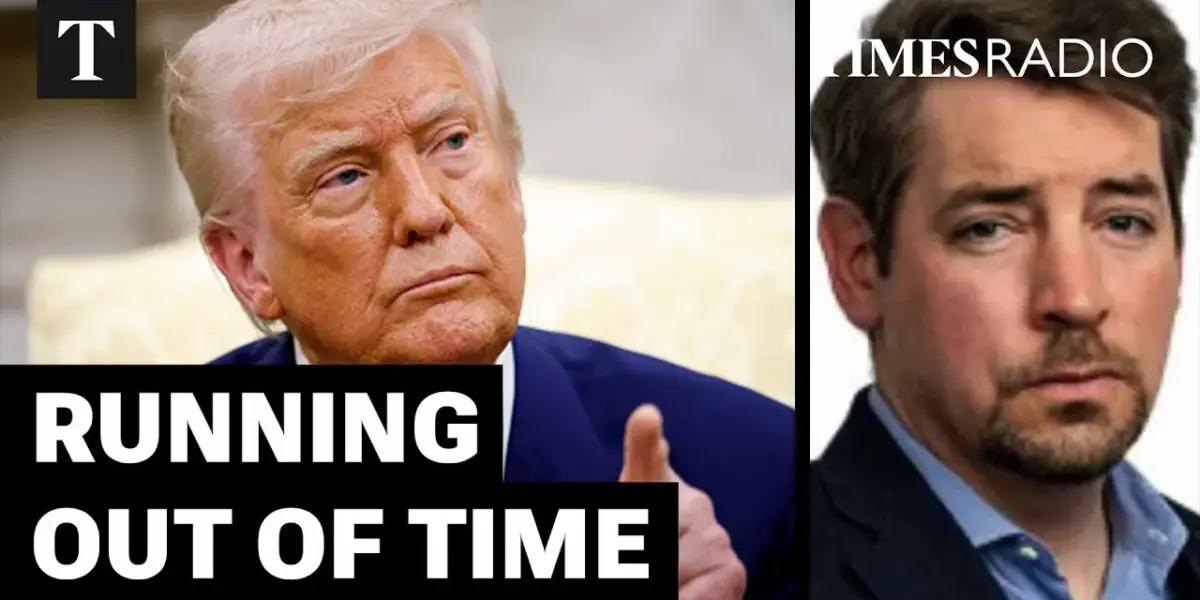
Trump Extends Iran Ceasefire, Faces Pressure Over Fuel Prices
President Trump announced a surprise extension of the ceasefire with Iran late Tuesday, a move that comes as U.S. drivers face high fuel prices. The decision aims to allow more time for talks between the two nations, though the U.S. will continue its blockade of Iranian ports.
This development occurred shortly after Trump posted on his social media platform, Truth Social, stating that the blockade would remain until Iran presents a unified proposal. He made no further comments on the matter at a public event later that evening.
Analysis: A Move to Save Face Amidst Economic Woes
Former White House Global Engagement Director Brett Bruan described the ceasefire extension as a “face-saving exercise.” He suggested that Trump has struggled to achieve a deal with Iran and has faced difficulties reversing previous actions. Bruan also noted that Trump’s criticism of European NATO allies for not supporting his actions against Iran was “pure folly,” adding that the President appears increasingly isolated and “foolish” in Washington.
The extension of the ceasefire, which was set to expire Wednesday, comes at a critical time. For President Trump, the rising price of fuel at the pump in the U.S. and globally creates significant economic pressure.
Bruan explained that Trump needs the Strait of Hormuz reopened to ease these prices. He believes the Iranians are aware of this pressure and know that Trump cannot simply wait them out indefinitely.
The Strait of Hormuz: A Critical Chokepoint
A key challenge for Trump, according to Bruan, is finding a way to reopen the Strait of Hormuz without risking attacks on oil tankers. Despite claims of destroying Iran’s missile and drone capabilities, videos have emerged showing Iranian small boats firing on tankers. This situation is highly risky, and Bruan suggested that insurance companies in London may be unwilling to underwrite ships passing through the Strait, effectively making it a dangerous passage.
Iran, Bruan argued, has recognized that targeting tankers is its most effective weapon. It doesn’t require sophisticated technology, and the risks involved are significant enough to disrupt global oil flow. This strategy places immense pressure on Trump, especially given the global economic impact of high fuel prices.
Iran’s Resilience vs. Trump’s Pressure
Bruan believes the White House has miscalculated Iran’s ability to withstand pressure. While Iran will experience economic and potentially military hardship, along with political isolation, its capacity to endure these challenges is greater than Trump’s. The central question, Bruan stated, is how Trump will extricate himself from this difficult situation.
He predicted that Trump would likely secure some form of agreement that leaves Iran in a better position than before the conflict began, while still claiming it as a major victory for the U.S. The lack of a new deadline in Trump’s latest post adds to the uncertainty, especially given Iran’s history of lengthy negotiations, as seen with its nuclear program.
Domestic Political Challenges and Republican Divisions
The situation is becoming more difficult for Trump domestically as well. The conflict has already lasted six weeks, exceeding what was initially planned as a shorter engagement. The U.S. may soon face a 60-day deadline requiring Congressional authorization for continued military action.
Bruan noted signs of division within Republican ranks, with some members tiring of Trump’s approach. Trump’s aggressive rhetoric, such as threatening to “obliterate the civilization in Iran,” has reportedly been poorly received by some in his own party.
Bruan concluded that Trump appears to be struggling to find solid ground and is likely to seek a quick exit, presenting any outcome as a great deal while hoping it goes unnoticed. The cancellation of Vice President JD Vance’s trip to Pakistan for peace negotiations, which had been uncertain for days, further highlights the complex diplomatic landscape.
Iran’s Internal Dynamics and the Role of Security Institutions
Benam Ben Taliblau, Senior Director of the Iran Program at the Foundation for Defense of Democracies, offered insight into Iran’s internal situation. He confirmed that Iran’s government is indeed fractured, a tactic it has used in the past to gain leverage, particularly during nuclear talks. Taliblau pointed to the existence of an “ultra hard right flank” within Iran that is not interested in accommodating the U.S.
This faction’s primary focus is on preserving and defending the Islamic Republic, rather than changing its structure. Taliblau emphasized that after a significant internal conflict, security institutions have become the most dominant force in Iran, more so than religious or republican ones. He suggested that the current U.S. strategy, including the blockade, has accelerated a trend already present within the Iranian system.
Human Rights Concerns and the Dilemma for the U.S.
President Trump also publicly appealed for the release of eight Iranian women facing execution. He posted their pictures on Truth Social, expressing hope for their safety and suggesting it would be a positive start to negotiations. Taliblau confirmed that many executions in Iran are of individuals who were arrested and detained, often in the context of recent protests.
These actions are part of the regime’s ongoing suppression of dissent, particularly following nationwide uprisings. Taliblau highlighted that Iran’s greatest vulnerability is its own population, and the regime uses executions and displays of force to deter further protests. He, as a first-generation Iranian-American, welcomed Trump’s attention to human rights in negotiations, an issue he feels has been neglected for too long.
The Long Game: Pressure vs. Time
Taliblau cautioned that Iran will likely exploit the situation to its advantage, forcing the U.S. to choose between security and human rights. He stressed that the effectiveness of pressure, like the port blockade, depends on sustained commitment. While Iran is currently weaker and less united, it is adept at operating with fewer resources.
He estimated that a minimum of three weeks of consistent blockade would be needed to push Iran into a severe oil crisis. Despite losing significant revenue daily, Iran is prepared to endure. The key question remains Trump’s tolerance for the time and political capital required to maintain the blockade and manage Iran’s responses.
Looking Ahead: Uncertainty and Potential Outcomes
The coming days will reveal more about Iran’s official response and the actual impact of the extended ceasefire and ongoing blockade. The U.S. faces a complex challenge, balancing economic pressures at home with the diplomatic and security implications of its actions in the Middle East. The potential for a prolonged period of uncertainty looms, with the effectiveness of Trump’s strategy hinging on sustained international pressure and Iran’s internal stability.
Source: Trump Faces Pressure As Painful Fuel Prices Rise | Former White House Official (YouTube)

Related Articles


US Extends Iran Ceasefire Amid Stalled Talks, Seizes Tanker
President Trump has extended the ceasefire with Iran as diplomatic talks remain stalled. The U.S. has also seized another oil tanker, further escalating tensions. Meanwhile, close calls in aviation, growing wildfire threats, and rising air travel costs are making headlines.

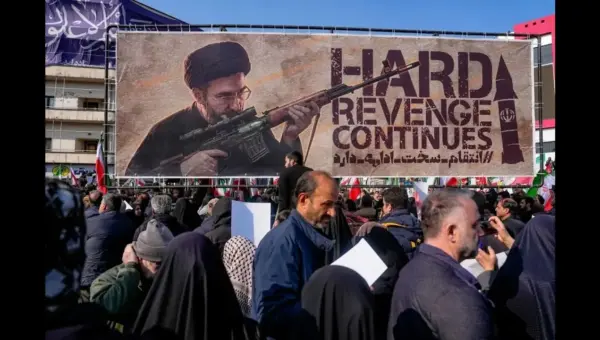
Iran’s Regime Plans to Fight to the Bitter End
Iran's regime is preparing for a prolonged fight, believing it holds a strong hand despite military setbacks. Colonel Wes Martin explains that the regime prioritizes its survival over its people's well-being and shows no intention of complying with international agreements. True change, he suggests, may only come from supporting the Iranian people's uprisings.

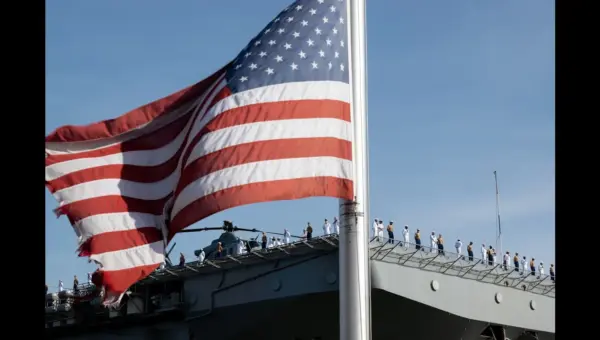
US Navy Taps Iran’s Shadow Fleet in Pacific
US forces have boarded two ships tied to Iran in two days, one in the Indo-Pacific. These actions target Iran's "shadow fleet" of oil tankers that use deceptive methods to evade sanctions. The operations aim to disrupt illicit networks and limit Iran's funding.