Trauma Expert Misrepresents Research on Children’s Health
A prominent trauma doctor's claims about childhood trauma, asthma, and survivor social development have been challenged. Research cited by the doctor does not support these specific health or social claims. Experts emphasize the need for accurate representation of scientific findings.

Trauma Expert Misrepresents Research on Children’s Health
A prominent doctor specializing in trauma, Dr. Gabor Maté, has been accused of misrepresenting scientific research in his widely popular books and talks. Specifically, claims made about the link between childhood trauma and health issues like asthma, as well as the social development of young survivors of sexual assault, appear to be unsupported by the original studies cited.
Journalist Emmy Neatfield investigated these claims, reaching out to Dr. Jenny Nolles, whose work Dr. Maté referenced. Dr. Nolles stated clearly that she has never published anything related to asthma or breathing difficulties in her research.
This directly contradicts Dr. Maté’s assertion that traumatized children experience asthma at rates 50 times higher than their peers without trauma. The paper Dr. Maté cited does not contain any information about asthma.
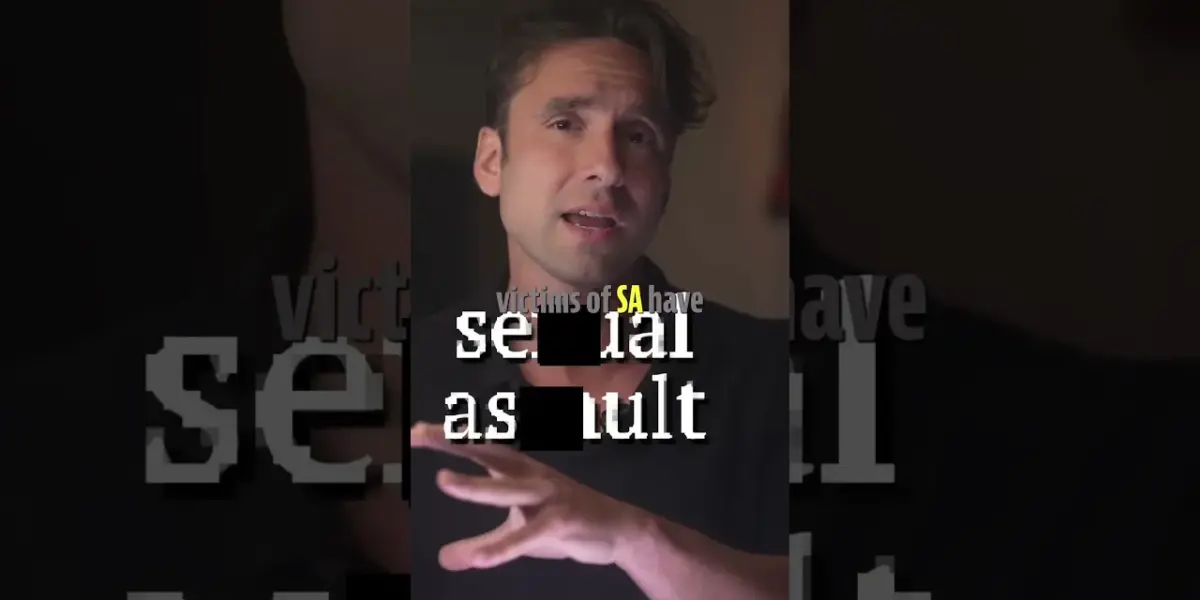
Further concerns were raised regarding Dr. Maté’s description of the social development of girls who have experienced sexual assault. He suggested that these survivors have vastly different social development, lacking friends and being perceived as ‘too weird’ by others. This portrayal was strongly refuted by Dr. Nolles, who called the description “awful” and stated it does not accurately represent an entire group of survivors.
Dr. Nolles’ colleague, psychologist George Banano, also weighed in. He dismissed the idea that victims of sexual assault follow a completely different social development path. This expert opinion challenges the generalized and potentially harmful stereotypes presented by Dr. Maté regarding survivors’ social interactions and relationships.
The discrepancy highlights the importance of verifying information, especially when it comes to sensitive health topics and vulnerable populations. Misinterpreting or misstating research findings can lead to widespread misinformation and potentially harmful conclusions about complex conditions and experiences.
This situation raises important questions about how scientific findings are communicated to the public. It is crucial for authors and speakers to accurately represent the studies they reference. Readers and listeners should be encouraged to look at the original sources when possible to ensure the information is reliable and not taken out of context.
Key Health Takeaways
- Claims linking childhood trauma to significantly higher rates of asthma were found to be unsupported by the cited research.
- Expert researchers whose work was referenced stated that their studies did not include information on asthma or breathing issues.
- Characterizations of the social development of girls who are survivors of sexual assault as inherently ‘weird’ and lacking friends were called inaccurate and harmful by experts.
- It is essential to verify health information by looking at the original research or consulting with healthcare professionals.
- Misrepresenting scientific findings can lead to misinformation and stigmatize vulnerable groups.
This information is relevant to parents, educators, mental health professionals, and anyone interested in understanding the effects of trauma and supporting survivors. It is particularly important for individuals who may have read or heard the claims made by Dr. Maté to be aware of this clarification.
Disclaimer: This article is for informational purposes only and does not constitute medical advice. Always consult with a qualified healthcare provider for any health concerns or before making any decisions related to your health or treatment.
Source: More BS from world’s #1 trauma doctor (YouTube)

Related Articles


ADHD and Trauma: Separating Cause and Effect
Explore the complex relationship between ADHD and childhood trauma. Leading experts clarify that ADHD traits can lead to difficult experiences, rather than trauma causing ADHD. Accurate diagnosis is key for effective treatment.


Trauma Book’s Claims Questioned Amidst $10M Deal
Questions are emerging about the scientific basis of "The Body Keeps the Score," a highly popular book on trauma. Despite its success and a recent $10 million book deal, critics are examining the evidence behind its core claims that trauma is stored in the body and causes illness. This highlights the need for critical evaluation of popular health information.

Early Trauma’s Lasting Impact on Adult Behavior
Childhood experiences, even those from infancy, can profoundly shape adult behavior and emotional responses. Learn how early trauma might affect you today and why understanding these connections is key to well-being.