Trump’s Iran Strategy Criticized: ‘Winging It’ Without a Plan
Critics are questioning President Trump's strategy in Iran, arguing the administration lacks a clear plan amidst a significant troop deployment to the Middle East. The reliance on individuals without traditional diplomatic experience is a key point of concern, contrasting with past, expert-led negotiations. This situation is seen as potentially leading to a prolonged period of heightened military readiness.

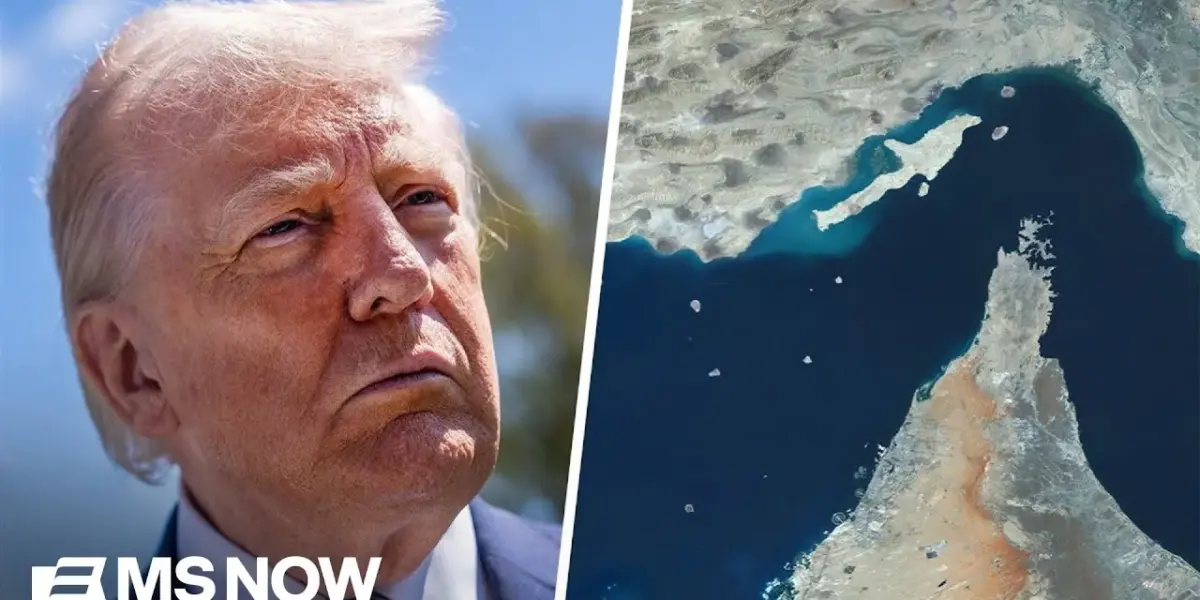
Critics Slam Trump’s Iran Policy Amidst Troop Deployment
President Trump’s approach to Iran is facing sharp criticism, with many experts and commentators arguing that the administration is operating without a clear strategy. This comes as the U.S. deploys thousands of additional troops to the Middle East, raising concerns about escalating tensions in the region.
Lack of a Coherent Plan
The central theme of the critique is the perceived absence of a well-defined plan. “There’s no plan.
There has never been a plan,” stated one commentator, highlighting a sentiment echoed by national security reporters and former military officials. The administration’s objectives in engaging with Iran have shifted, moving away from initial calls for regime change to a more ambiguous stance.
This lack of clarity is compounded by the fact that key diplomatic roles appear to be filled by individuals without traditional foreign policy or military backgrounds. The mention of real estate investors and financiers in high-level diplomatic discussions has drawn particular attention. “What’s crazy is anybody thought some real estate folks were the people that could negotiate a very complicated diplomatic situation,” one analyst remarked.
Expertise vs. Inexperience in Diplomacy
The transcript repeatedly contrasts the current approach with past diplomatic efforts, such as the Iran nuclear deal. That agreement, it is noted, involved years of official and back-channel diplomacy led by seasoned experts. The implication is that relying on individuals without extensive experience in such complex negotiations is a significant gamble.
“When the experts enter the room, okay, maybe then we are going to see some movement,” one commentator suggested, emphasizing the need for seasoned professionals in the diplomatic process. The current situation, they argue, requires a level of expertise that has been conspicuously absent.
Military Buildup Amidst Diplomatic Uncertainty
In parallel with the diplomatic ambiguity, the U.S. military is increasing its presence in the Gulf region. Approximately 10,000 U.S. service members, including the 11th Marine Expeditionary Unit and sailors from the USS George H.W.
Bush, are being sent to the area. This buildup occurs while diplomatic conversations are reportedly ongoing, but without clear outcomes.
Retired Army Major General James “Spider” Marks explained how the military prepares for such contingencies. “Policy decisions are made at those levels. The military does not get involved, clearly does not get involved in the policy.
What they get involved in is the preparation of courses of action that give the policymakers,” he stated. This means the military is ready to execute various options, but the direction comes from civilian leadership.
A ‘New Normal’ of Preparedness
General Marks suggested that the current situation might represent a transition to a “new normal” rather than an immediate resolution. He does not anticipate a return to the previous level of attacks but rather a sustained period of heightened readiness and potential negotiations.
“I think the president is probably looking for an off-ramp for a whole host of reasons,” Marks commented, suggesting a desire to de-escalate without appearing weak. The increased military presence, he believes, is not likely to disappear soon. It signifies a shift towards a more permanent, elevated posture in the region.
Focus on Nuclear Material
Beyond the immediate troop movements and diplomatic stalemates, the core issue remains Iran’s highly enriched uranium. “The key is highly enriched uranium, what’s the status of that? Where is it?
How much is it?” one speaker questioned. This issue is seen as central to any long-term resolution.
Potential solutions discussed include the U.S. offering to purchase the material to render it safe or helping Iran join a commercial nuclear consortium, similar to other nations. These proposals aim to address the nuclear proliferation concerns while potentially opening avenues for further diplomacy.
Future Outlook
The current situation suggests a prolonged period of strategic uncertainty and military preparedness in the Persian Gulf. The administration’s approach, characterized by a lack of clear objectives and reliance on inexperienced negotiators, continues to draw scrutiny. The focus now shifts to whether diplomatic efforts can gain traction amidst the heightened military presence and the persistent concern over Iran’s nuclear program.
Source: ‘WINGING this by the seat of his pants’: The Weeknight torches Trump’s Iran strategy (YouTube)

Related Articles

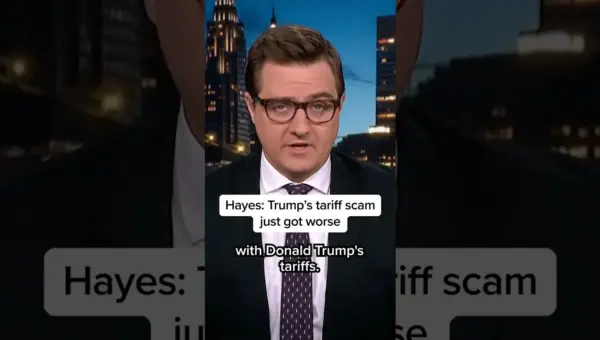
Trump’s Tariff Plan Faces New Criticism for Harming Consumers
Chris Hayes argues that former President Trump's proposed tariffs are a "scam" that will ultimately harm American consumers. By increasing the cost of imported goods, these tariffs could lead to higher prices on everyday items, straining household budgets. The policy's benefits to domestic industries may not offset the increased expenses faced by the public.
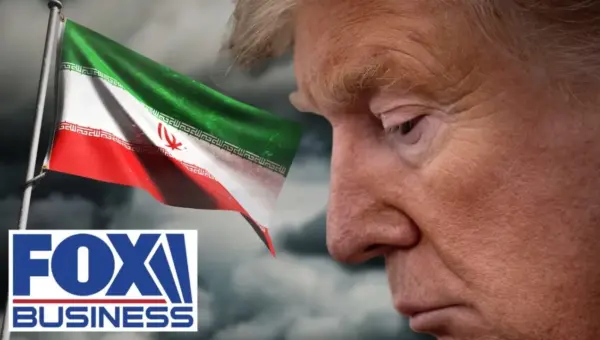
Trump Extends Iran Ceasefire, Seeks Unified Dealmakers
President Trump has extended a ceasefire with Iran, a move praised for its strategic approach to negotiations. The decision aims to ensure a unified Iranian delegation is present at the table, following a military blockade of Iranian ports. This pause allows for diplomatic pressure to build towards a lasting resolution.

Trump’s Iran Policy: No Easy Fix, Experts Say
Experts argue that the U.S. approach to Iran assumes solvable problems where none exist, suggesting a need for interim agreements rather than perfect solutions. They emphasize that negotiation, not military action, is key to avoiding worse outcomes. This perspective challenges common assumptions about conflict resolution.