Trump Extends Iran Ceasefire, Seeks Unified Dealmakers
President Trump has extended a ceasefire with Iran, a move praised for its strategic approach to negotiations. The decision aims to ensure a unified Iranian delegation is present at the table, following a military blockade of Iranian ports. This pause allows for diplomatic pressure to build towards a lasting resolution.

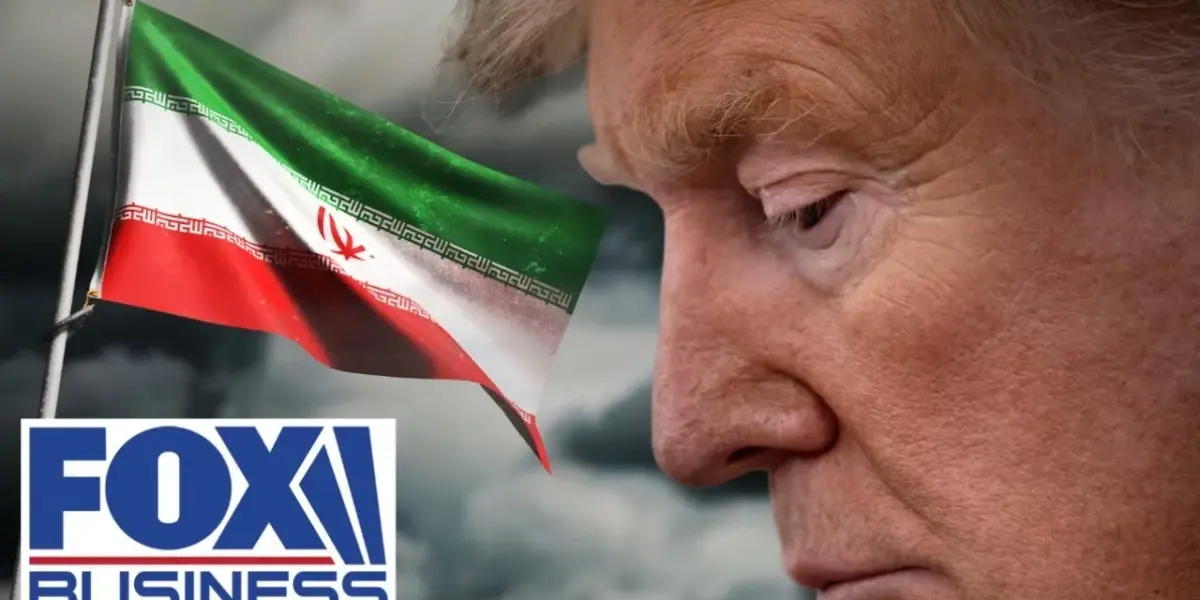
President Trump has extended a ceasefire with Iran, a move praised by allies as a strategic pause to ensure a unified delegation is present for crucial negotiations. The decision comes amid reports of Iranian stalling and internal divisions within their leadership, suggesting a deliberate tactic to wait out the current administration.
The White House announced the extension of the ceasefire, stating, “We have been asked to hold our attack on the country of Iran until such time as their leaders and reps can come up with a unified proposal.” The order directs the military to maintain a blockade of Iranian ports and remain ready for action while awaiting a formal submission from Iran. This action follows a period where military engagement seemed imminent, with analysts questioning the next steps.
Senator Ashley Moody, speaking on the development, viewed the extension as a smart decision. Drawing from her experience as a former judge and Florida’s Attorney General, she emphasized the importance of putting pressure on an opponent before engaging in serious talks.
“You first put someone on their back feet, and then you make sure that you have the right people, the decision makers at the table that can actually agree to something that will stick and be successful,” Moody explained. She noted that the current 100% blockade of Iranian ports has achieved this initial pressure.
Moody believes the current administration, including Vice President Vance and President Trump, is focused on ensuring the right individuals are involved in discussions. This aims to protect American interests and secure a lasting agreement.
The timing of the ceasefire extension also addresses mixed signals regarding who should be part of the Iranian delegation. Reports suggest a divide within Iran’s leadership, with some factions eager for a deal and others, like the Revolutionary Guard, fearing a deal would diminish their power.
The senator highlighted the necessity of identifying negotiators who can not only agree to terms but also guarantee their implementation. This ensures peace and protects American allies and assets in the Middle East. “The longer we hold this blockade, the longer we hold them accountable and force them to the table, it’s going to be, ensure a more successful resolution,” Moody stated.
The discussion also touched upon the role of China in the ongoing situation. While increased pressure was expected to influence China’s stance on Iran, reports indicate potential arms supplies to Tehran.
The U.S. military’s actions, such as boarding and controlling ships suspected of violating international law, are seen as a continued effort to maintain pressure. This strategy aims to compel Iran towards a productive resolution.
The U.S. military has demonstrated its capability to intercept and control vessels, a tactic employed previously in regions like Venezuela. This assertive approach is intended to keep pressure on Iran, facilitating a more successful outcome in negotiations. The focus remains on achieving a stable and beneficial agreement for all parties involved.
Market Impact
The extension of the ceasefire and the focus on diplomatic engagement, rather than immediate military action, could provide a temporary de-escalation in geopolitical tensions. This might offer some relief to global markets sensitive to Middle East instability, particularly impacting oil prices. However, the underlying issues and potential for renewed conflict remain, creating ongoing uncertainty.
Investors will be closely watching the progress of negotiations and the internal dynamics within Iran. Any indication of a genuine commitment to a deal from a unified Iranian delegation could lead to more sustained market stability.
Conversely, continued stalling or escalation could reignite market volatility. The involvement of other global players, like China, also adds a layer of complexity that investors must consider.
The strategic blockade of Iranian ports is a significant economic pressure point. The longer this blockade is maintained, the greater the financial strain on Iran.
This economic leverage is intended to strengthen the U.S. position at the negotiating table, potentially leading to more favorable terms for the United States and its allies. The long-term implications depend heavily on the outcome of these diplomatic efforts.
The situation highlights the administration’s approach to foreign policy, emphasizing deal-making and strategic pressure. This method aims to achieve objectives without resorting to immediate military confrontation.
The success of this strategy hinges on Iran’s willingness to engage constructively and present a unified front for negotiations. The next steps in this diplomatic process are critical for both regional stability and global economic outlooks.
Source: ‘SMART DECISION’: Trump ceasefire extension praised by GOP leader (YouTube)

Related Articles

Trump’s Iran Policy: No Easy Fix, Experts Say
Experts argue that the U.S. approach to Iran assumes solvable problems where none exist, suggesting a need for interim agreements rather than perfect solutions. They emphasize that negotiation, not military action, is key to avoiding worse outcomes. This perspective challenges common assumptions about conflict resolution.

Trump’s Iran Stance: Weakness or Strategy?
Critics argue Donald Trump's approach to foreign policy, particularly regarding Iran, signals weakness due to his business history. This perspective suggests his statements lack authority, potentially emboldening adversaries and damaging America's global standing.
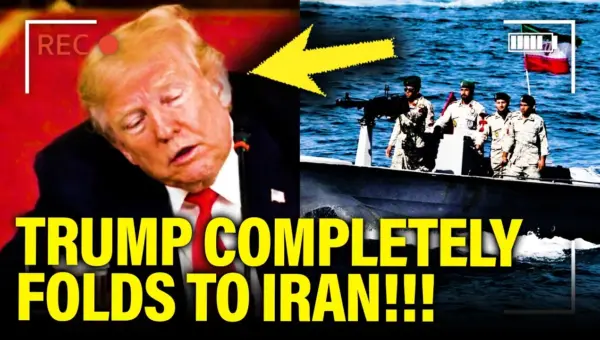
Trump Blinks: Iran Rejects Talks, Forces Ceasefire Extension
Iran has rejected U.S. negotiation offers, viewing the naval blockade as an act of war. President Trump has unilaterally extended a ceasefire deadline, a move Iran states it never requested, leading to a diplomatic stalemate and heightened regional tensions.