FBI Director’s Alleged Misconduct Sparks National Security Fears
FBI Director Cash Patel faces severe allegations of misconduct, including excessive drinking impacting his job and misuse of taxpayer-funded resources. His recent press conference and subsequent lawsuit against The Atlantic have only intensified scrutiny, revealing contradictions in his own legal filings.

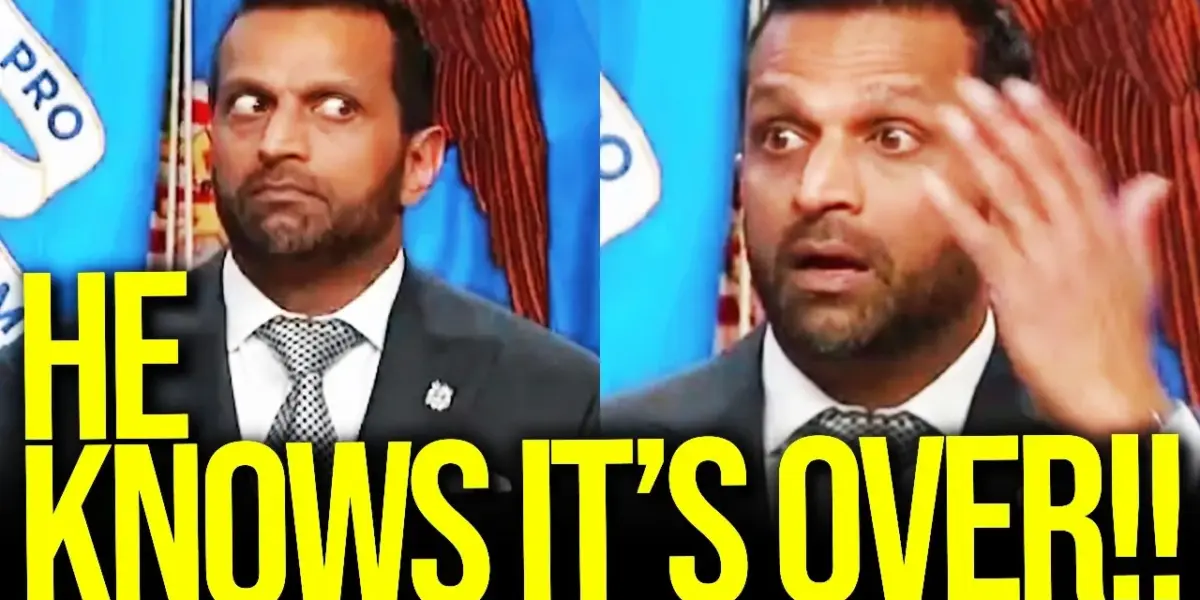
FBI Director’s Alleged Misconduct Sparks National Security Fears
Serious allegations have surfaced regarding FBI Director Cash Patel’s conduct, suggesting that his personal life, particularly excessive drinking, may be negatively impacting his professional duties. These claims paint a concerning picture of a leader whose alleged behavior could compromise national security.
Reports indicate that early in Patel’s tenure, he was often unreachable due to intoxication, raising alarm among the Secret Service. At one point, they even considered using a SWAT team device to force entry into his location due to fears for his well-being. This incident alone highlights the potential severity of the situation.
Allegations of Misuse of Resources
Beyond concerns about his personal state, Patel faces accusations of his girlfriend using private jets funded by taxpayers. There are also claims that Secret Service agents have been used to transport her and her friends for outings in Nashville, often after they had been drinking.
These alleged actions suggest a dereliction of duty at the highest levels of government. Such behavior, if true, erodes public trust and raises questions about accountability within federal agencies.
A Controversial Press Conference
Patel recently held a press conference concerning the Southern Poverty Law Center, an organization that provides legal aid to minority communities. The government’s claim that this group is somehow funding the Ku Klux Klan appears to be a baseless conspiracy theory, drawing parallels to other unfounded accusations made in the past.
During this press conference, Patel was pressed about an article in The Atlantic detailing the allegations against him. He initially claimed not to have read the article, but later contradicted himself by stating that the article misrepresented facts, implying he was familiar with its contents.
Legal Maneuvers and Public Statements
Todd Blanch, the interim acting Attorney General and a former personal lawyer for Donald Trump, appeared alongside Patel. Blanch also seemed to deflect questions about the Atlantic article, emphasizing his concerns about anonymous sources in reporting. He stated that he had not been informed of any issues regarding senior DOJ personnel, as suggested by the article.
Patel himself has filed a $250 million defamation lawsuit against The Atlantic. However, this legal action follows a pattern seen with Donald Trump’s own lawsuits, which have often been dismissed. Critics suggest these lawsuits are primarily aimed at controlling narratives and generating attention rather than seeking genuine legal recourse.
Denials and Shifting Narratives
During the press conference, Patel was asked to directly address the allegations of unexplained absences and potential intoxication. He responded unequivocally, stating he never listens to the “fake news mafia” and that increased negative reporting simply means he is doing his job effectively.
Patel then launched into a series of statistics about his tenure, claiming he has worked twice as many days as previous directors and reduced the murder rate. He also highlighted the capture of top fugitives, contrasting his administration’s success with that of the current one.
Contradictory Evidence and Public Scrutiny
Adding to the controversy, a video emerged showing Patel seemingly intoxicated while on a work trip with the U.S. men’s Olympic hockey team. He was seen banging on tables and celebrating loudly, actions that many found inappropriate for an FBI director.
When questioned about this video, Blanch again deflected, stating it had “nothing to do with the article at hand.” This response further fueled speculation that both men were aware of the article’s contents and were attempting to manage the public perception.
The Login Incident and Lawsuit Discrepancies
The Atlantic article also detailed an incident where Patel allegedly had trouble logging into his computer, leading him to believe he had been fired due to paranoia about his drinking. This led to widespread rumors within the FBI that he had been terminated.
However, in his own defamation lawsuit, Patel’s legal team stated that he experienced a “routine technical problem” with his login on April 10, 2026, which was quickly resolved. During the press conference, Patel vehemently denied the login incident ever happened, directly contradicting the claims made in his own lawsuit.
A Pattern of Evasion
When questioned about the discrepancy between his public statements and his lawsuit, Patel became defensive, accusing the reporter of lying and baseless reporting. He insisted he had never been locked out of the system and that anyone claiming otherwise was mistaken.
The exchange highlighted a perceived pattern of evasion and deflection from both Patel and Blanch when faced with direct questions about the allegations. This behavior has led to criticism that the administration is not being transparent with the public.
Why This Matters
The integrity of law enforcement agencies like the FBI is paramount to national security and public trust. Allegations of misconduct, especially those involving substance abuse and misuse of resources by top officials, cannot be ignored.
The public has a right to expect that their leaders are sober, ethical, and focused on their duties. When these expectations are not met, it creates a dangerous environment where critical decisions could be compromised.
Implications and Future Outlook
The ongoing scrutiny of Cash Patel’s conduct raises serious questions about leadership within the FBI and the Department of Justice. If these allegations are proven true, they could lead to calls for his resignation and a broader investigation into the agency’s internal affairs.
The situation also reflects a broader trend of political polarization influencing appointments and public discourse. The reliance on personal loyalty over professional qualification can have severe consequences for institutional stability and effectiveness.
Historical Context
Throughout history, leaders in positions of power have faced scrutiny over their personal conduct. Scandals involving substance abuse or ethical lapses have, at times, led to significant reforms and a re-evaluation of leadership standards.
The current situation echoes past instances where the personal lives of public officials intersected with their professional responsibilities, often resulting in public outcry and demands for accountability. The rise of social media and 24/7 news cycles amplifies these stories, bringing them to public attention more rapidly than ever before.
The legal battles, such as Patel’s lawsuit against The Atlantic and past cases involving figures like Donald Trump, show a recurring tactic of challenging the press. The success or failure of these legal challenges often sets precedents for how future allegations are handled and reported.
Ultimately, the public’s perception of these events will be shaped by the evidence presented and the transparency of the investigations that follow. The coming weeks and months will likely bring further developments as these serious allegations are examined.
Source: Kash Patel Visibly Shaking as Career is Over (YouTube)

Related Articles
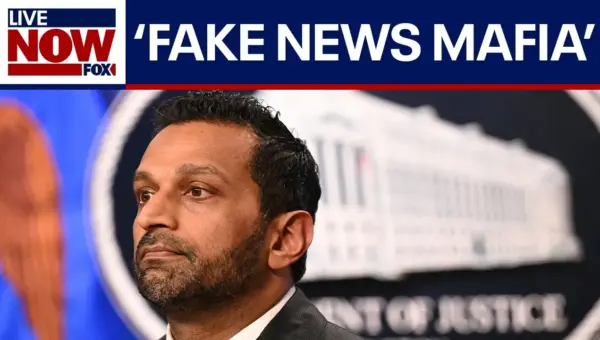
FBI Director Denies Allegations, Defends Record in Heated Exchange
FBI Director Kash Patel forcefully denied allegations of unexplained absences and potential intoxication, calling them "fake news." He highlighted his record of accomplishments, including reduced crime rates and increased seizures of illicit drugs and fugitives. Patel announced a $250 million defamation lawsuit against his accusers.

Nation’s Top Scientists Vanish: Is a Foreign Power to Blame?
The unexplained disappearances and deaths of U.S. national security scientists with ties to nuclear secrets have sparked a congressional investigation. Concerns are rising that foreign adversaries may be targeting these individuals, posing a grave threat to national security. The committee seeks answers from multiple government agencies.
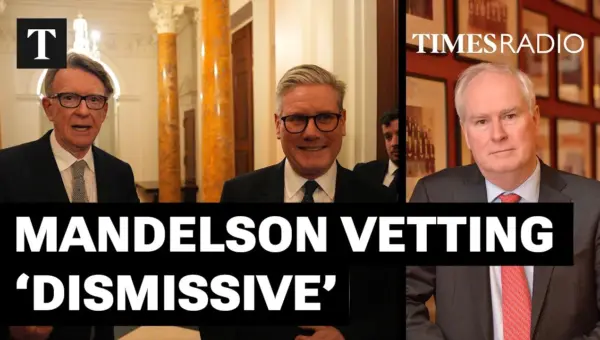
Ex-NSA Chief: Downing St Ignored Vetting for Key Envoy
Former National Security Adviser Sir Mark Lyall Grant stated that Downing Street believed security vetting was unnecessary for Peter Mandelson's appointment, leading to pressure on the Foreign Office. This dismissal of formal checks and potential prioritization of political urgency over national security raises significant questions about government procedures.