US Navy Boards Oil Tanker Suspected of Smuggling Iranian Oil
United States Navy forces recently boarded a Botswana-flagged oil tanker in the Indian Ocean, suspecting it of smuggling Iranian crude oil. This incident adds to rising tensions between the U.S. and Iran, following a previous interception near the Strait of Hormuz. The U.S. administration is using these operations to project military might and encourage Iran towards a deal.

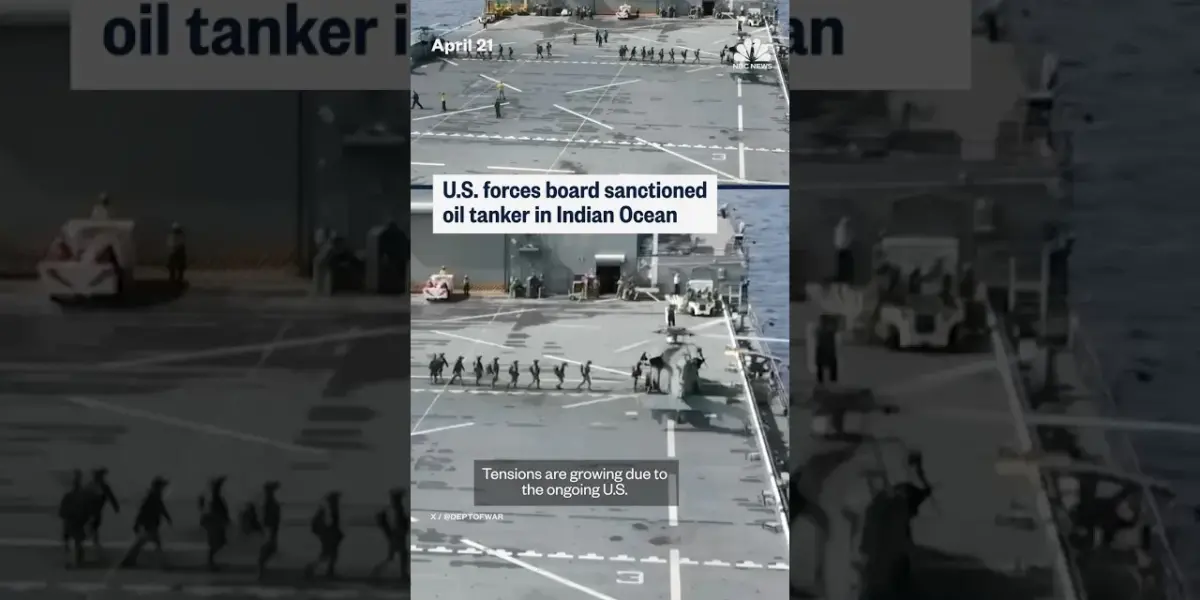
US Navy Boards Tanker in Indian Ocean Amid Rising Tensions
United States Navy forces boarded an oil tanker in the Indian Ocean recently. The vessel was flagged by Botswana and suspected of smuggling Iranian crude oil. This action follows a pattern of increased military activity in the region as tensions between the U.S. and Iran continue to rise.
The boarding operation occurred after the U.S. intercepted another Iranian-flagged ship near the Strait of Hormuz just days prior. These interdictions are part of a broader strategy by the U.S. administration.
The goal is to project military strength to Iran, in hopes of convincing the country to agree to a deal. The Department of Defense confirmed the U.S. military’s involvement in the boarding of the Botswana-flagged tanker.
Context of U.S.-Iran Tensions
These events unfold against a backdrop of ongoing diplomatic efforts and escalating friction between the United States and Iran. The U.S. has been implementing sanctions and blockades on Iranian ports, which has led to a significant increase in maritime activity and scrutiny in the Persian Gulf and surrounding waters. The Strait of Hormuz, a critical chokepoint for global oil transport, has been a particular area of concern.
The U.S. government has stated its commitment to preventing Iran from accessing funds that could be used to support destabilizing activities in the region. This includes efforts to halt the sale and transport of Iranian oil, which is a major source of revenue for the country. The repeated boarding of vessels suspected of violating these sanctions highlights the seriousness with which the U.S. is pursuing this policy.
Naval Operations and International Law
The boarding of the Botswana-flagged tanker raises questions about international maritime law and the specifics of the suspected smuggling operation. Vessels operating in international waters are typically subject to the laws of their flag state. However, international agreements allow for certain actions, such as boarding for suspected smuggling, under specific conditions.
The U.S. military’s actions are aimed at enforcing sanctions and preventing illicit trade. Such operations are complex, involving coordination between different branches of the military and potentially international partners. The focus on Iranian oil smuggling is a key component of the U.S. pressure campaign against Iran.
Broader Implications and Future Outlook
The repeated naval actions in the Indian Ocean and near the Strait of Hormuz highlight the volatile nature of the current geopolitical climate. These incidents can have ripple effects on global energy markets and international relations.
The U.S. aims to signal its resolve to Iran through these displays of military power. It also seeks to encourage a return to negotiations over Iran’s nuclear program and regional behavior.
The effectiveness of this strategy in achieving a diplomatic breakthrough remains to be seen. However, the continued naval patrols and interdictions suggest that the U.S. is prepared to maintain this assertive posture. The coming weeks will likely see continued monitoring of maritime traffic and diplomatic exchanges as the situation evolves.
The next steps will involve further investigation into the suspected smuggling activities and potential legal proceedings. The ongoing diplomatic dialogue between the U.S. and Iran, though strained, will also be crucial in determining the future course of events in this sensitive region.
Source: U.S. forces board sanctioned oil tanker in Indian Ocean (YouTube)

Related Articles
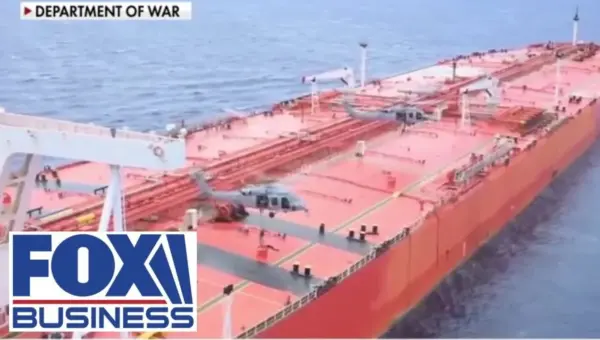
US Navy Seizes Sanctioned Oil Ship in Indian Ocean
The U.S. Navy seized a sanctioned oil tanker carrying 1.9 million barrels of crude in the Indian Ocean, adding tension to global oil markets. This occurs as a U.S.-Iran cease-fire is set to expire, keeping traders on edge.

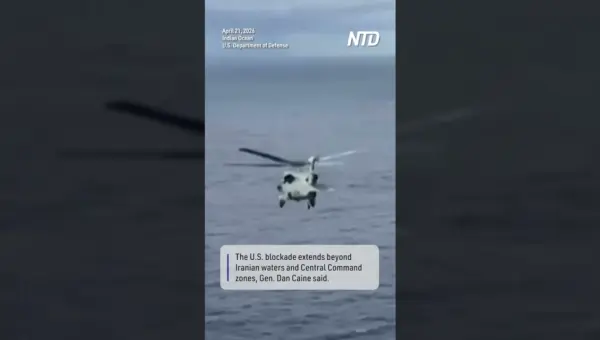
US Navy Seizes Illicit Oil Cargo at Sea
U.S. forces boarded a sanctioned oil tanker in the Indian Ocean, seizing cargo smuggled from Iran. This action underscores the ongoing efforts to enforce international sanctions and disrupt illicit financial networks operating through vital shipping lanes. The operation highlights the complex challenges and strategies involved in maritime interdiction.
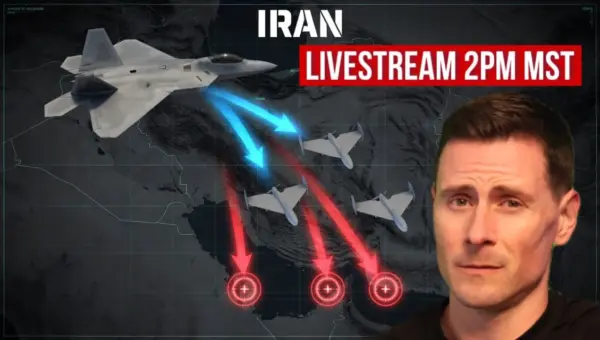
Iran Faces Blockade, New Targets Emerge
New intelligence reveals Iran's regime facing intensified pressure from international naval blockades and emerging domestic targets. Strikes have hit commercial vessels, including a French ship, near Larak Island. Diplomatic efforts are strained as a ceasefire nears expiration, with Iran withdrawing from negotiations.