Trump’s War Strategy Crumbles Amidst Iranian Stand-Off
President Trump's diplomatic efforts with Iran have collapsed, leading to an emergency White House meeting. Iran claims the U.S. violated a ceasefire, prompting a refusal to negotiate. The situation teeters on the brink of military escalation, with critics raising concerns about corruption and the administration's strategy.

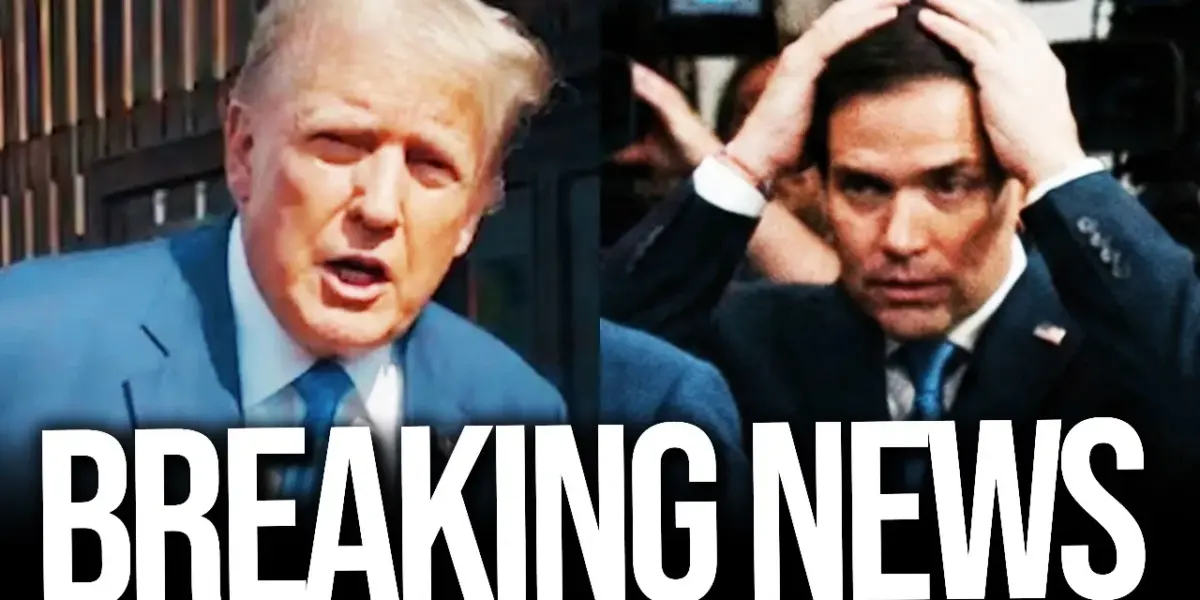
Trump’s War Strategy Crumbles Amidst Iranian Stand-Off
President Donald Trump has convened an emergency meeting with top war advisors as critical negotiations with Iran appear to have failed. A last-minute effort by Senator JD Vance to travel to Pakistan for talks was canceled, signaling a breakdown in diplomacy. Iran refused to participate, stating that the United States violated an earlier ceasefire agreement.
The initial ceasefire, announced by Trump, was agreed upon by Iran with specific conditions. These included no strikes on Lebanon and no blockade of the Strait of Hormuz by the U.S. However, reports indicate that Israel began striking Lebanon almost immediately after the ceasefire was announced. Simultaneously, the U.S. continued its blockade of the Strait of Hormuz, actions that Iran viewed as clear violations of the agreed terms.
Iran’s Foreign Minister declared that the U.S. blockade of Iranian ports is an “act of war” and a violation of the ceasefire. He further stated that targeting commercial vessels and taking crews hostage are even greater offenses. Iran has asserted its determination to resist such actions and defend its national interests, emphasizing its ability to overcome restrictions and stand against perceived bullying.
Negotiations Collapse, Escalation Looms
The situation escalated as Iran refused to engage in further negotiations, effectively ignoring President Trump’s demands and deadlines. Trump had previously threatened military action against Iran, setting a midnight deadline for compliance. The emergency meeting suggests a potential plan for military escalation following the failure of diplomatic efforts and the expiration of the ceasefire.
The collapse of negotiations puts President Trump and his administration in a difficult position. If Trump fails to act after setting deadlines, it could be perceived as a sign of weakness on the global stage. This has led to embarrassment and frustration, particularly when considering the U.S.’s stated goals of promoting democracy and sovereignty abroad.
Adding to the complexity, JD Vance’s trip to Pakistan, intended as a final diplomatic push, was indefinitely postponed. This happened after Iran did not respond to Trump’s demands. Reports suggest that White House officials, including Jared Kushner, Marco Rubio, and Pete Hagsath, also arrived at the White House for urgent discussions.
Potential Paths Forward: Escalation or Desperation?
Several possibilities are being considered in these emergency meetings. One is a significant military escalation following the deadline’s passage.
Another is a desperate, last-minute attempt to find a diplomatic solution, though this could put the U.S. in a weaker negotiating position. Iran’s perceived strength in these talks stems from the U.S. appearing to be the party making threats and setting deadlines that are then ignored.
The possibility of using a third-party mediator is also on the table. Previously, Pakistan was approached to help broker a deal, but the terms were unclear, leading to the collapse of those efforts. The current situation suggests a return to the same diplomatic challenges that plagued earlier attempts to resolve the conflict.
Historical Context and Allegations of Corruption
The conflict’s origins are linked to a pitch made by Israeli Prime Minister Benjamin Netanyahu to President Trump. Despite advice against it from some advisors, Trump reportedly agreed to the war. Now, the U.S. and Israel appear to be fully coordinated for a potential resumption of hostilities, with Israeli officials reportedly leaking information about their readiness.
Critics have raised concerns about the potential for corruption, pointing to figures like Jared Kushner. It is alleged that Kushner’s diplomatic role in the Middle East overlaps with significant financial dealings with Middle Eastern princes and sheikhs. This raises questions about potential conflicts of interest, especially as the U.S. engages in nuclear diplomacy in the region.
The narrative presented by the Trump administration is that the war aims to “free and liberate the Iranian people.” However, critics argue that the focus has shifted towards inflicting maximum damage on Iranian civilization. This approach mirrors patterns seen in previous Republican administrations, which critics claim often involve tax cuts for the wealthy, reduced social benefits, and military conflicts driven by political or economic interests.
Why This Matters
The current diplomatic breakdown and potential for military escalation have significant global implications. The failure to uphold ceasefire agreements and the perceived weakness in international negotiations can destabilize the region further.
It also impacts global energy markets and international relations, particularly between major powers. The accusations of corruption within the administration add another layer of concern, suggesting that policy decisions might be influenced by personal financial gain rather than national interest.
Implications, Trends, and Future Outlook
The ongoing conflict and diplomatic failures highlight a concerning trend of escalating tensions in the Middle East. The reliance on military threats over sustained diplomatic engagement appears to be a recurring strategy, leading to cycles of conflict. The involvement of key figures with potential conflicts of interest raises questions about accountability and the integrity of foreign policy decisions.
The future outlook suggests a continued period of uncertainty. If military action is taken, it could lead to widespread regional conflict and further humanitarian crises. Alternatively, if diplomacy is to succeed, it will require a significant shift in approach, focusing on genuine negotiation and adherence to agreed-upon terms, potentially involving trusted international mediators.
As the midnight deadline approaches, the world watches to see whether President Trump will launch military strikes or find a way to de-escalate the situation. The coming hours are critical in determining the immediate future of U.S.-Iran relations and regional stability. The outcome will likely shape perceptions of American leadership and its commitment to international peace and security.
The White House is reportedly discussing the cancellation of all planned trips, including JD Vance’s. Iran remains firm on its demands regarding nuclear materials and insists on the U.S. ending the blockade before further talks. The situation remains fluid, with ongoing discussions and potential for significant developments.
Source: Trump Orders EMERGENCY MEETING as War BACKFIRES! (YouTube)

Related Articles
Japan Eases Arms Export Rules Amid China Concerns
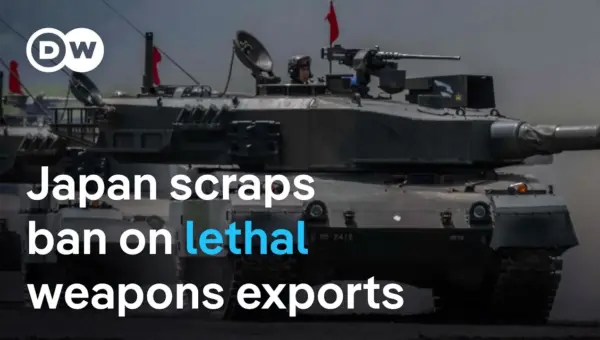
Japan has significantly eased its defense export rules, allowing the sale of weapons like warships and missiles to allied nations. This move, aimed at strengthening global partnerships and countering regional threats, has drawn sharp criticism from China, which views it as a potential return to militarism. Experts suggest the policy shift is a pragmatic response to a changing geopolitical landscape and growing regional anxieties.

Iran’s ‘New Cards’ Threat Risks Further Global Isolation
Iran's parliament speaker has threatened to reveal 'new cards,' but former Pentagon officials believe this will further isolate the regime. These potential moves, likely involving proxies or sleeper cells, are seen as a familiar but ineffective tactic. Investors are watching for potential escalation and its impact on regional stability and energy markets.


Trump’s Bold Claims: Winning Wars in Minutes?
Donald Trump claims he could have won the Vietnam War quickly and taken over Venezuela in 45 minutes. Critics question these assertions, pointing to his own draft deferments during Vietnam and his current inability to resolve stalled conflicts like Russia-Ukraine and Israel-Gaza.