Japan Eases Arms Export Rules Amid China Concerns
Japan has significantly eased its defense export rules, allowing the sale of weapons like warships and missiles to allied nations. This move, aimed at strengthening global partnerships and countering regional threats, has drawn sharp criticism from China, which views it as a potential return to militarism. Experts suggest the policy shift is a pragmatic response to a changing geopolitical landscape and growing regional anxieties.

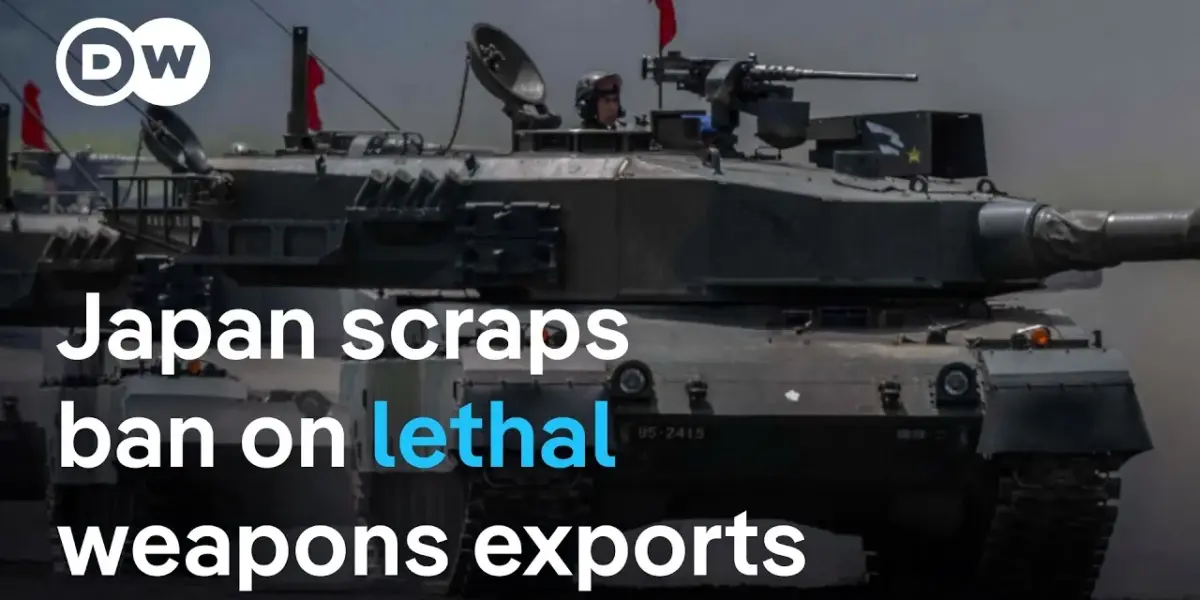
Japan Overhauls Defense Export Rules, Sparks China Ire
Japan has announced a major shift in its post-World War II security policy, significantly easing restrictions on defense export rules. This change allows for the export of weapons like warships and missiles, a move aimed at strengthening global partnerships and countering growing regional threats. The decision has sparked debate within Japan and drawn sharp criticism from China.
Shift from Pacifism to Defense Cooperation
For decades, Japan’s military, known as the Self-Defense Forces, has operated under a pacifist constitution, playing a limited, non-aggressive role. This new policy marks a departure, enabling Japan to supply defense equipment to allied nations.
The government states this is necessary to help friendly countries enhance their defense capabilities and prevent conflicts in an increasingly unstable region. This policy adjustment comes as Japan increases its own defense spending, citing concerns over China’s growing military power and expansionist actions.
China’s Strong Opposition
Beijing has reacted strongly to Japan’s decision, expressing deep concern. China views this move as a potential step back towards Japanese militarism, recalling historical aggression. Chinese officials have stated that Japan’s recent actions in the military and security fields contradict its claims of being a peaceful nation.
Many experts in China and other Asian countries worry that Japan is restarting its war machine and preparing to export weapons globally. The Yasukuni Shrine, which honors Japan’s war dead, is often seen by critics as a symbol of this militaristic past.
Mixed Domestic and International Reactions
Public opinion in Japan is divided on the new export rules. Some citizens support the move, believing it demonstrates Japan’s defense capabilities and strengthens international ties. However, others express concern, hoping Japan will maintain its stance against war, especially given its history as the only country to suffer nuclear attacks.
Japan’s defense partners, such as Australia, have largely welcomed the change. Australia and Japan recently signed a multi-billion dollar warship deal, highlighting the growing strategic cooperation between the two nations.
“The policy change will help friendly nations enhance our defense capabilities and prevent conflicts.”
Expert Analysis on Geopolitical Context
Taku Tamaki, a lecturer in international relations specializing in the Asia-Pacific, noted that the controversy is often in the eye of the beholder. He suggested that while China and some domestic groups may raise alarms, the move should be seen within a broader geopolitical context.
Tamaki pointed to the uncertainty in global alliances, particularly concerning the U.S. stance under the Trump administration, as a factor pushing middle powers like Japan to forge stronger independent partnerships. He clarified that this shift is not about Japan seeking to bring war to other countries but rather about enhancing its own security and that of its allies.
Strategic Partnerships and Regional Anxieties
Tamaki emphasized the significance of the Japan-Australia warship deal as a sign of Japan’s commitment to forging strategic partnerships. He placed this agreement within the context of similar discussions by leaders from the UK, Canada, and France about middle powers needing to form alliances.
This cooperation stems from shared anxieties about China’s rise in the region and uncertainties surrounding U.S. alliances. From a technical standpoint, the deal aims to improve interoperability between Japanese and Australian forces.
China’s Response and Japan’s Pragmatism
Regarding China’s strong reaction, Tamaki described it as a predictable response, part of Beijing’s established playbook. He suggested that China’s statements about Japan becoming militaristic should be taken with caution, viewing them as propaganda aimed at delegitimizing Japan’s actions. Tamaki also addressed the strained relations between China and Japan, calling the current state one of the lowest points in history.
He highlighted pragmatic actions by Japanese officials, such as Taki’s offering to the Yasukuni Shrine without attending the ceremony, as attempts to manage these sensitive relations. He also noted Japan’s efforts to maintain good relationships with South Korea.
Future Implications and Continued Buildup
Tamaki does not believe Japan’s policy change will significantly alter China’s military buildup plans. He stated that China likely does not need much pretext for its continued military expansion and will use this development as one among many justifications.
Japan’s decision to ease arms export restrictions signals a significant adjustment in its defense posture, driven by evolving regional security dynamics. The coming months will reveal how these policy shifts impact international relations and defense cooperation in the Asia-Pacific region.
Source: Japan rethinks security policy in face of expansionist China (YouTube)

Related Articles

Iran’s ‘New Cards’ Threat Risks Further Global Isolation
Iran's parliament speaker has threatened to reveal 'new cards,' but former Pentagon officials believe this will further isolate the regime. These potential moves, likely involving proxies or sleeper cells, are seen as a familiar but ineffective tactic. Investors are watching for potential escalation and its impact on regional stability and energy markets.


Trump’s Bold Claims: Winning Wars in Minutes?
Donald Trump claims he could have won the Vietnam War quickly and taken over Venezuela in 45 minutes. Critics question these assertions, pointing to his own draft deferments during Vietnam and his current inability to resolve stalled conflicts like Russia-Ukraine and Israel-Gaza.


Trump’s Iran Diplomacy Falters as Vance Faces Setbacks
Vice President JD Vance's planned trip to Pakistan for Iran negotiations has been postponed amid confusion and conflicting reports. This setback highlights challenges in the Trump administration's foreign policy and internal political dynamics.