Iran Talks Stall as US Vice President Awaits Flight
US-Iran diplomatic talks are stalled, with Iran reportedly refusing U.S. proposals related to its nuclear program. Experts suggest Iran is strategically leveraging the situation, believing its 'clock' ticks slower than the U.S. The standoff raises questions about the effectiveness of U.S. strategy amidst rising defense spending.

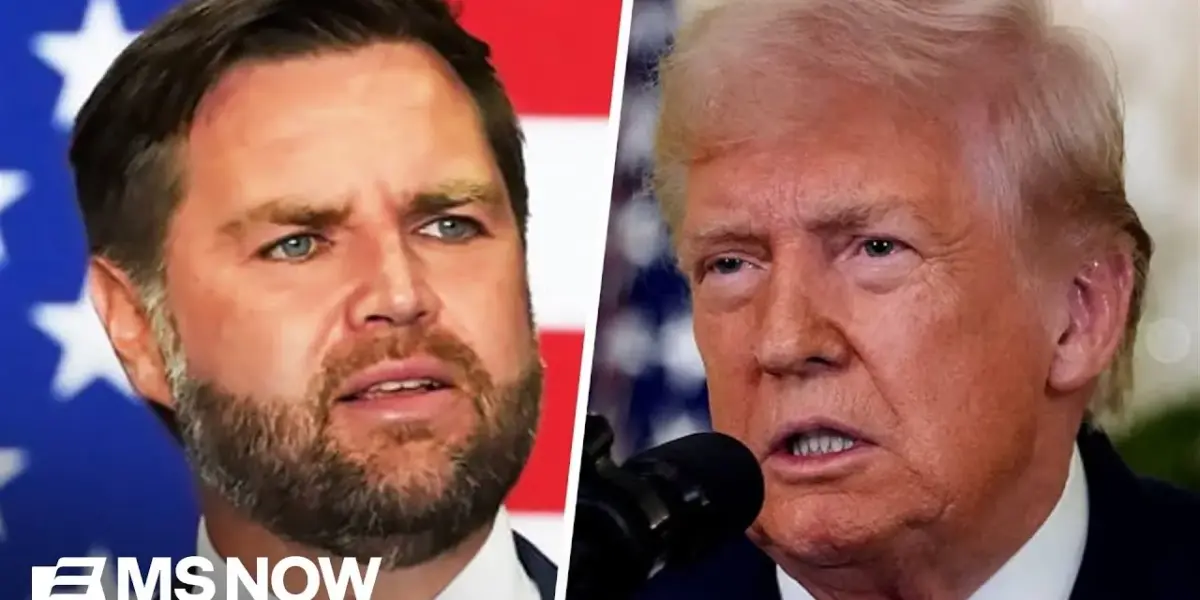
US-Iran Diplomacy Hits Snag Amidst Tensions
Negotiations between the United States and Iran have hit a significant roadblock, with a planned trip by U.S. Vice President Mike Pence to meet with Iranian officials apparently delayed. The situation highlights ongoing tensions and a complex diplomatic standoff, as reported by The Financial Times and MSNCB.
Iranian Refusal Cites Nuclear Program Sticking Points
According to reports, the delay stems from Iran’s refusal to accept specific proposals put forth by the U.S. While a trip by Vice President Pence is still possible at a moment’s notice, the Iranian stance suggests a deep disagreement, particularly concerning Iran’s nuclear program and uranium enrichment activities. This issue has consistently been a central point of contention in past discussions.
“The Iranians know exactly what they’re doing. I think they’re using the administration’s fear that this could drag on and the president’s determination to find a pathway out.”
Iran’s Strategic Leverage and Economic Pressure
Experts suggest Iran is strategically using the current situation to its advantage. They believe Iran is leveraging the U.S. administration’s desire to avoid a prolonged conflict and its eagerness for a diplomatic solution. This is seen as a tactic to pressure the U.S. into easing sanctions, which Iran views as a significant economic weapon.
The U.S. Navy has recently seized at least two Iranian-flagged vessels, adding another layer of complexity to the situation. This action may be influencing Iran’s negotiating position, potentially pushing them towards accepting consequences, including escalation, if the blockade is not eased.
A Game of ‘Chicken’ with Ticking Clocks
The diplomatic standoff is being characterized by some as a high-stakes game of ‘chicken,’ where both sides are testing the other’s resolve. The situation involves two different timelines, or ‘clocks,’ ticking at different speeds. This dynamic is influenced by shifts in power within Iran, with the Islamic Revolutionary Guard Corps (IRGC) reportedly taking a more assertive role.
Aaron David Miller, a former senior advisor for Israeli-Arab negotiations, noted the shift from clerical to hard power influence within Iran. He believes the administration’s explanation that Iran has not responded to U.S. positions may not be the core reason for the current crisis.
“The Iranians are using, playing on the fact that their clock is ticking more slowly and they’re prepared to accept the consequences of no negotiation and believe that the president is not prepared to accept no negotiations.”
Iran’s Higher Pain Threshold
Ed Luce, U.S. national editor for the Financial Times, agrees that Iran’s ‘clock’ is ticking more slowly. He points out that Iran has significant oil reserves and has survived years of sanctions, giving them a higher tolerance for economic pressure than the U.S. administration might anticipate.
This suggests Iran may be signaling that they do not feel compelled to negotiate under duress. They might be betting that President Trump will eventually make concessions to avoid further escalation or a prolonged stalemate. However, Luce also cautioned that the internal power structure within Iran is not always clear, and disagreements about negotiation strategy could exist within the regime.
Uncertainty Over Iranian Leadership
Questions remain about the stability of the command structure within Iran, especially following reports of the death or injury of Supreme Leader Ali Khamenei. While there have been unconfirmed reports of him being injured, his current status is unclear. The lack of definitive information adds to the overall uncertainty surrounding the negotiations.
“I think this is exposing that the core failure in the U.S. strategy, which was this belief that air strikes alone will bring Iran to its knees. That has not happened and they’re clearly not, and maybe they’re bluffing but they’re clearly not afraid of more U.S. bombings.”
US Strategy Questioned Amidst Defense Spending Surge
The current situation is raising questions about the effectiveness of the U.S. strategy, particularly the reliance on military pressure. The New York Times reported that Israeli Prime Minister Bibi Netanyahu had predicted a short war and a popular uprising in Iran, a prediction that appears to have been inaccurate.
Meanwhile, the U.S. is proposing a significant increase in its defense budget, the largest year-to-year rise since World War II. This comes even as discussions involve potential financial support for allies like Qatar, who may have sustained damages related to the escalating regional conflict. Many observers feel that despite superior military might, the U.S. strategy in this confrontation appears to be faltering, with the overall situation deteriorating for the Trump administration.
What’s Next in the Standoff
The coming days will be crucial in determining whether diplomatic channels can be reopened and if a breakthrough can be achieved on the core issues, especially Iran’s nuclear program. The world will be watching to see if either side blinks in this high-stakes negotiation.
Source: 'All of this is going badly for the Trump admin': Breaking down the latest Iran war updates (YouTube)

Related Articles

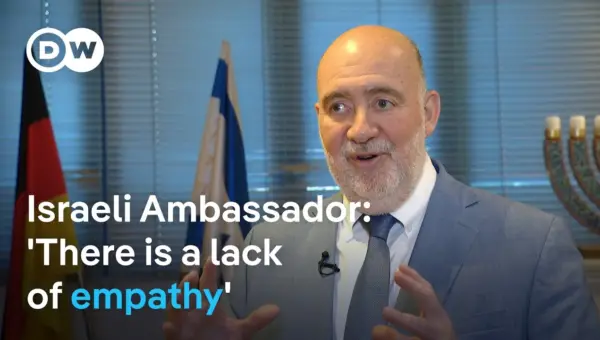
Israel Envoy Cites ‘Lack of Empathy’ Amid Regional Tensions
Israeli Ambassador Ron Prosor spoke from Berlin about the dual significance of remembrance and independence days, amid ongoing regional conflicts. He highlighted a perceived lack of empathy towards Israel internationally and discussed the rise of antisemitism in Europe, urging stronger global solidarity.
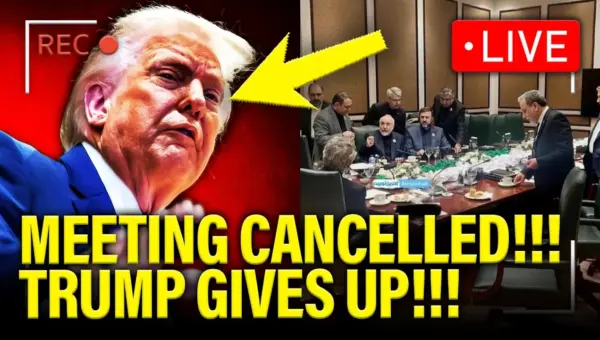
Iran Talks Collapse Amidst Trump’s Aggressive Stance
Negotiations between the U.S. and Iran have collapsed due to Donald Trump's continued blockade of the Persian Gulf and threats. Iran refused to attend talks, citing a lack of trust and demanding an end to aggression. The breakdown highlights a critical juncture, forcing a choice between continued conflict or a genuine diplomatic path.


Trump’s Iran Standoff Exposes Weakness, Kash Patel Lawsuit Falters
President Trump's foreign policy in Iran faces scrutiny amidst claims of unpredictable actions and hindered diplomacy. Meanwhile, Kash Patel's defamation lawsuit against The Atlantic encounters significant legal hurdles, raising questions about public figures and the media.