Weinstein Defense Cites Texts in Consensual Relationship Claim
Harvey Weinstein's third trial is underway in New York, where his defense team is using text messages to argue that his relationship with accuser Jessica Mann was consensual. Prosecutors allege Weinstein used his power to assault Mann in 2013, but the defense claims messages like "Miss you, big guy" show a willing participant. The trial will examine the complex nature of consent and power dynamics in the #MeToo era.

Weinstein Faces New York Jury in Third Trial
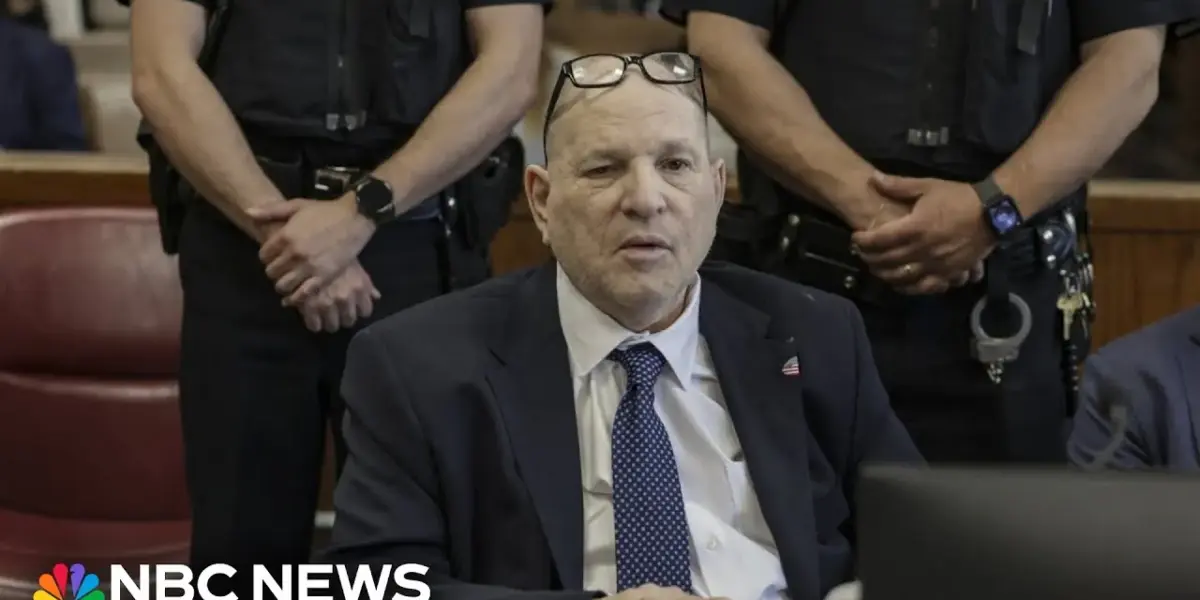
Disgraced movie producer Harvey Weinstein is once again in a New York courtroom, facing his third trial. Jurors are now hearing opening statements in the case where Weinstein is accused of raping aspiring actor Jessica Mann in a Manhattan hotel in 2013.
The prosecution aims to portray Weinstein as a powerful figure who preyed on a vulnerable young woman. However, the defense is pushing a different narrative: that the relationship between Weinstein and Mann was consensual and lasted for years.
Weinstein, who is currently serving time for other convictions, has consistently denied all accusations against him. The current trial brings to the forefront the stark contrast between the powerful Hollywood mogul Weinstein once was and the frail, wheelchair-bound man battling leukemia he appears as today. This visual disparity is something the defense likely intends to highlight.
Prosecution’s Argument: Power and Coercion
Prosecutors are painting a picture of Harvey Weinstein as one of Hollywood’s most influential figures. They argue that he had the power to make or break careers and that he used this influence to force people to comply with his wishes. The prosecution’s goal is to convince the jury that Weinstein wielded his authority to take advantage of a “fragile and sheltered young woman.” This establishes a context of coercion, suggesting that any perceived consent was a result of his overwhelming power.
To help the jury understand the extent of Weinstein’s past influence, the defense may present photos of him during his prime. This visual evidence aims to remind the jury of the man who was once larger, more imposing, and held significantly more sway in the industry. The defense’s strategy appears to be juxtaposing the image of a powerful mogul with the reality of the defendant’s current physical state.
Defense Strategy: Text Messages as Evidence
The defense’s core argument hinges on the claim that the relationship between Weinstein and Jessica Mann was consensual. To support this, they are presenting text messages exchanged between the two. The defense asserts that these messages demonstrate Mann’s willingness and desire to continue the relationship with Weinstein, even after the alleged 2013 assault.
One specific text exchange cited by the defense includes Mann texting Weinstein, “Miss you, big guy.” According to Weinstein’s defense team, Mann altered her plans after the alleged rape to spend more time with him, including attending a movie premiere. This narrative suggests that Mann’s perspective on the relationship has shifted over time, and that her current accusations do not reflect the reality of their interactions.
A Familiar Defense Tactic
This defense strategy is not new for Harvey Weinstein. In previous trials, his legal team has argued that the relationships were consensual.
They have suggested that women engaged in these relationships in exchange for professional benefits, such as flights on his private jet or roles in movies and television. The defense claims that these women now regret those choices but that the encounters were not acts of rape or sexual assault.
The defense contends that the text messages prove that Mann viewed the relationship as consensual. By presenting these communications, they aim to cast doubt on Mann’s allegations and portray her as someone who willingly participated in the relationship, only to later regret it. The trial is expected to unfold over the next few weeks, with these key pieces of evidence likely to be central to the proceedings.
Broader Implications and What’s Next
The outcome of this trial could have significant implications for the #MeToo movement and how consent is viewed in cases involving power imbalances. The defense’s reliance on text messages to argue for consent highlights the complex nature of consent, especially when power dynamics are involved. It raises questions about how digital communication can be interpreted in legal contexts and whether it can override allegations of coercion.
As the trial progresses, the jury will need to weigh the prosecution’s claims of exploitation against the defense’s portrayal of a consensual relationship supported by text messages. The credibility of Jessica Mann and the interpretation of her communications with Weinstein will be crucial. The court proceedings are set to continue, with further evidence and testimony expected to shape the jury’s decision in the coming weeks.
Source: Defense to argue text messages show consensual relationship in Weinstein retrial (YouTube)

Related Articles
New Accuser Surfaces as Swalwell Resigns Amid Assault Claims
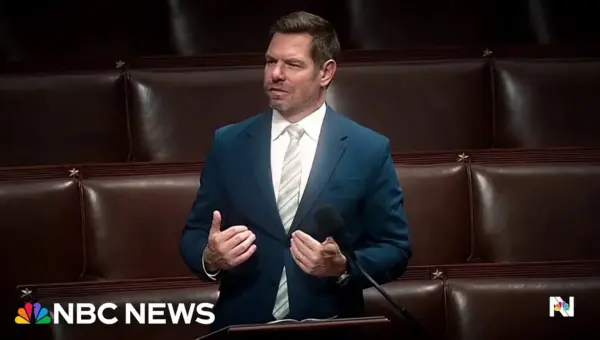
Former Congressman Eric Swalwell resigned from his seat following new allegations from a woman who claims he drugged, choked, and raped her in 2018. His attorneys have denied all claims, calling them false and fabricated. Swalwell had previously suspended his campaign for California Governor amid multiple accusations.


Woman Accuses Eric Swalwell of Drugging, Rape in Hotel
A woman has detailed an alleged sexual assault by Congressman Eric Swalwell in 2018, claiming she was drugged and attacked in his hotel room. She stated she did not consent to any sexual activity and suffered significant mental health impacts afterward. The woman plans to file a report with law enforcement soon.


Manhattan DA Investigates Rep. Swalwell Amid Sexual Assault Claims
Manhattan's District Attorney has launched an investigation into sexual assault allegations against Congressman Eric Swalwell, made by a former staffer. Swalwell denies the claims, calling them "flat false." The allegations have led to widespread calls for him to withdraw from the California gubernatorial race and face potential congressional action.