Health Secretary Defends Budget Amid Cuts and Research Concerns
Health and Human Services Secretary Robert F. Kennedy Jr. faced tough questions from senators regarding proposed budget cuts and their impact on biomedical research and public health programs. Senators expressed alarm over reduced grant funding, workforce cuts at agencies like the CDC, and concerns about women's health research. The hearing highlighted a stark contrast between the administration's budget priorities and congressional intent.

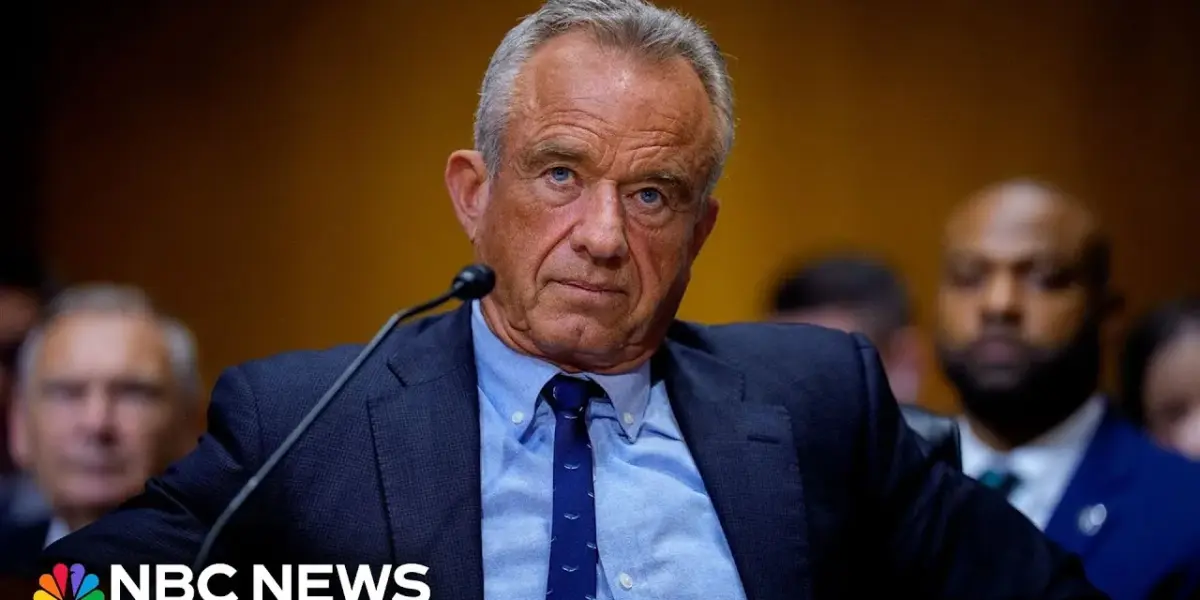
Kennedy Testifies on HHS Budget, Faces Scrutiny Over Cuts
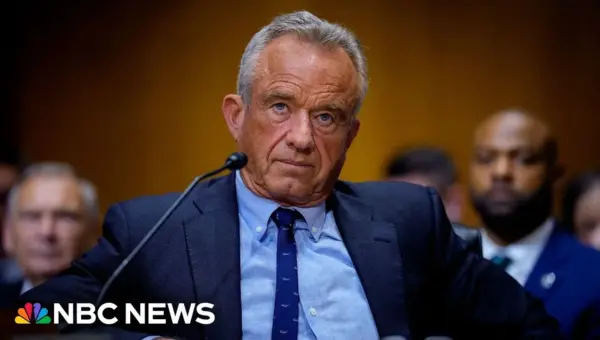
U.S. Health and Human Services Secretary Robert F. Kennedy Jr. appeared before a Senate subcommittee hearing on Tuesday to discuss the administration’s fiscal year 2027 budget proposal. The hearing, focused on the Department of Health and Human Services (HHS) budget, quickly became a forum for senators to voice concerns about proposed funding cuts and ongoing administrative actions impacting vital health programs, particularly biomedical research and public health initiatives.
Senator Shelley Moore Capito, chair of the subcommittee, opened the hearing by acknowledging the bipartisan work on the previous year’s budget and expressing hope for a similar collaborative approach for fiscal year 2027. She noted Secretary Kennedy’s presence as a crucial step in understanding the administration’s priorities.
Capito highlighted the importance of biomedical research, citing Congress’s significant increase for the National Institutes of Health (NIH) in fiscal year 2026 and the hope it brings for new treatments and cures. She also acknowledged positive trends in declining overdose deaths but stressed the continued challenges of substance abuse, particularly in her home state of West Virginia.
Budget Proposal Sparks Bipartisan Alarms
Vice Chair Tammy Baldwin, however, sharply contrasted the administration’s budget request with its proposed increase in defense spending. She stated that the budget slashes funding for HHS programs by $17 billion, or about 14% of the overall budget.
Baldwin expressed concern that the administration was actively working to undermine health programs outside the normal budget process, even as the budget proposed cuts. She pointed to a proposed 12% cut to the NIH and detailed significant reductions in research grants awarded by the agency.
“The numbers don’t lie, and we need to be clear. That’s exactly what’s happening.
And it’s an active choice to do it,” Baldwin asserted, accusing the administration of choosing to cut off funding for research and, in turn, hope for millions suffering from life-threatening diseases. She also highlighted proposed cuts to the Centers for Disease Control and Prevention (CDC) and the Agency for Healthcare Research and Quality (AHRQ), noting that staff reductions and grant delays had already crippled these agencies despite recent congressional funding.
Concerns Over Research Funding and Women’s Health
Senator Susan Collins raised concerns about a reported decline in NIH grants that specifically included research on women’s health. She cited a Washington Post story detailing a 31% drop in research projects funded in 2025 that mentioned the word “women.” Collins questioned how the administration would address health disparities in women’s health, such as the disproportionate burden of autoimmune diseases and Alzheimer’s, if diversity is no longer a criterion for funding decisions.
Secretary Kennedy responded by highlighting upcoming initiatives, including a significant investment through ARPA to study Alzheimer’s and its causes. He mentioned ongoing programs focused on maternal health, citing a successful perinatal pilot program that reduced maternal mortality rates by 42%. However, Collins reiterated her concern that grants might be overlooked or unfunded if they don’t meet certain criteria, even if they address critical health issues.
Collins also addressed the administration’s repeated proposal for a 15% cap on indirect research costs, a policy Congress previously rejected. She argued that such a cap would harm cutting-edge research and undermine the nation’s global leadership in biomedical research.
Kennedy acknowledged the need for transparency and accountability but pointed to the nation’s $39 trillion debt and stated that all agencies are being asked to tighten their belts. He expressed concern about losing ground to China in biomedical research and drug approvals.
Substance Abuse Programs and Reproductive Health Under Fire
The proposed reorganization of substance use prevention and treatment programs into a new Administration for Healthy America also drew questions. Senators expressed concern about how this move would impact the fight against addiction, especially following HHS’s earlier, abrupt attempt to terminate $2 billion in funding for Substance Abuse and Mental Health Services Administration (SAMHSA) grants. Kennedy stated that the administration is committed to combating addiction and supporting recovery, referencing President Trump’s “Great America Recovery Initiative.”
Senator Baldwin also questioned the administration’s stance on reproductive health. She asked if it was the administration’s goal to reduce the number of women using birth control. Kennedy responded that he was unaware of such a goal.
Baldwin also inquired about reports that the EPA was considering testing wastewater for mifepristone, a drug used for medication abortions, and whether Kennedy had spoken with Administrator Zeldon about this effort. Kennedy confirmed he had spoken with Zeldon about testing for pharmaceutical drug artifacts in water but not specifically about mifepristone.
Workforce Reductions and Future Outlook
A significant point of discussion was the reduction in HHS employees. Data presented showed a decrease from 93,153 employees in January 2020 to 74,313 currently.
Secretary Kennedy stated that the agency grew significantly during COVID-19 and is now being “right-sized,” with plans to hire approximately 12,000 more personnel. He asserted that the agency was not functioning well before he arrived and had failed to address the chronic disease epidemic.
The hearing concluded with senators urging Secretary Kennedy to ensure timely responses to committee questions and to uphold congressional mandates, such as restoring a specific option for the 988 suicide and crisis lifeline. The discussions highlighted the deep divisions and significant concerns surrounding the administration’s health agenda, budget priorities, and impact on critical research and public health services.
Source: LIVE: Secretary Kennedy testifies at Senate hearing | NBC News (YouTube)

Related Articles
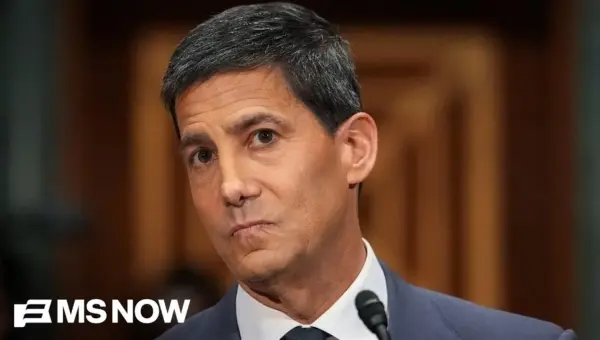
Warsh’s 2020 Election Stumble Fuels Fed Chair Concerns
Kevin Warsh's nomination hearing for Federal Reserve chair was marked by controversy, particularly his inability to confirm Donald Trump lost the 2020 election. Critics also questioned his past monetary policy decisions and significant personal wealth, raising concerns about Fed independence and potential conflicts of interest.

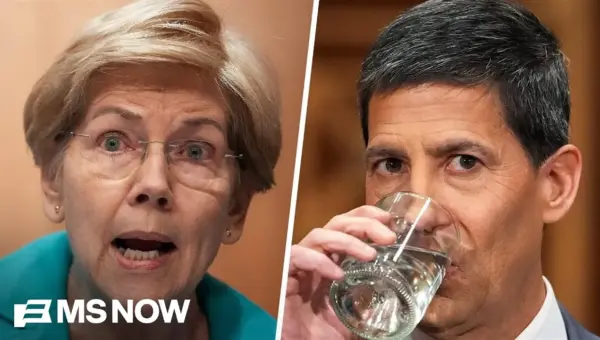
Senator Warren Presses Fed Nominee on Finances, Epstein Ties
Senator Elizabeth Warren questioned Federal Reserve nominee Kevin Warsh about his undisclosed $100 million in investments and potential ties to Jeffrey Epstein. Warren also pressed Warsh on his independence from President Trump, asking if he would stand up to the President's economic agenda and acknowledge the 2020 election results.

Health Secretary Defends Policies Amid Fierce Congressional Debate
U.S. Health Secretary Robert F. Kennedy Jr. faced a challenging House hearing, defending the fiscal year 2027 HHS budget amidst sharp criticism from lawmakers. While the administration highlighted its focus on prevention, rural health, and transparency, critics raised serious concerns about policy decisions impacting vaccine programs, research funding, and public health initiatives.