Ukraine, Germany Launch Drone Mass Production
Ukraine and Germany have launched Quantum Frontline Industries (QFI) to mass-produce the Linsa tactical drone, aiming for over 10,000 units annually. This initiative shifts Ukraine's war effort towards industrial-scale drone warfare, creating a more stable supply chain independent of foreign aid.

Ukraine, Germany Launch Drone Mass Production
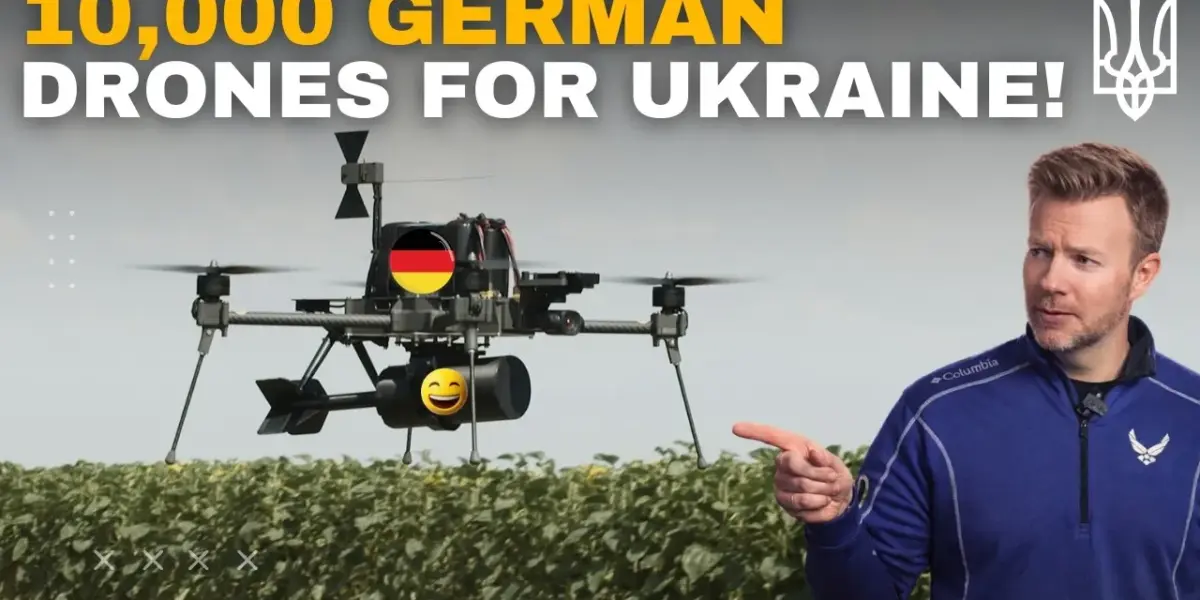
Ukraine and Germany have partnered to begin mass-producing a new tactical combat drone, a move that could significantly alter the battlefield. The joint venture, Quantum Frontline Industries (QFI), aims to produce over 10,000 drones annually. This initiative signals a shift towards industrial-scale drone warfare, focusing on consistent supply rather than relying solely on individual weapon systems.
The partnership between Ukraine’s Frontline Robotics and Germany’s Quantum Systems was formalized in December 2025. This collaboration is part of Ukraine’s larger “Build with Ukraine” program.
The program encourages foreign partners to establish manufacturing facilities within Ukraine. This approach aims to create a more stable and independent supply chain for military equipment.
Strategic Importance of Local Production
Relying on foreign weapons shipments often comes with political uncertainties. Changes in government, budget crises, or shifting political priorities in donor countries can disrupt or halt aid.
Establishing a factory on Ukrainian soil, co-owned by a European partner, makes these supply lines much harder to cancel. This builds strategic leverage for Ukraine, ensuring a more consistent flow of necessary equipment.
Germany’s swift action on this defense project is notable, as the country is often perceived as having a slow procurement process. The speed at which QFI has moved from agreement to initial production is unusual for German defense initiatives. This rapid development suggests a strong commitment to supporting Ukraine’s defense industry.
The Linsa Drone: Capabilities and Role
The Linsa drone is a small tactical unmanned aerial vehicle, measuring about 25 centimeters (10 inches) across. It falls into the category of ruggedized FPV (first-person view) platforms, designed for frontline operations. The drone can carry a payload of up to 2 kilograms, suitable for munitions, sensors, or electronic warfare packages.
With a top speed of approximately 54 kilometers per hour (33.5 mph), the Linsa is built for low-altitude flight. Its effective range is around 10 kilometers, making it ideal for close-quarters combat. This drone is intended for operations along front lines, scouting from trench to trench or tree line to tree line, where much of the current conflict takes place.
Advanced Features for Contested Environments
The Linsa drone is equipped with a stabilized camera and a thermal imager, allowing for day and night operations and target identification in poor visibility. Crucially, it features an onboard communications module designed to maintain a control link even under electronic warfare (EW) pressure. This includes advanced features like frequency hopping and hardened data links to operate in a hostile electromagnetic environment.
Russia has intensified its electronic warfare efforts, employing mobile jamming units and layered GPS spoofing. These tactics aim to disrupt Ukrainian drone operations by interfering with signals, causing drones to lose control or crash. The Linsa’s emphasis on EW survivability is a direct response to these battlefield challenges.
Ground Control and Tactical Integration
A key component of the Linsa system is its ground control station, which includes an 8-meter mast. This mast is critical for elevating the antenna, improving line of sight and signal strength. In cluttered terrain with trees and buildings, even a few extra meters of height can be the difference between maintaining control of the drone and losing it.
The Linsa drone fills a critical gap in Ukraine’s aerial capabilities. It sits between cheap, expendable FPV drones used for direct attack and larger, more expensive ISR (Intelligence, Surveillance, and Reconnaissance) platforms. The Linsa offers a reliable, repeatable system for scouting, identification, and potential strikes that can withstand EW interference.
Filling the Battlefield Niche
This drone is designed to be easily tasked by squad leaders in the field, rather than requiring complex routing through higher headquarters. Its ease of use, quick training requirements, and consistent performance across units make it suitable for mass deployment. This level of integration and reliability is essential for turning tactical successes into sustained operational pressure.
Quantum Systems already has a track record in Ukraine, having supplied reconnaissance drones like the Vector. The Linsa project represents a significant evolution from being a mere supplier to becoming a co-producer. Germany is helping to build a manufacturing ecosystem directly tied to Ukraine’s battlefield needs.
Strategic Implications: Industrialization vs. Improvisation
This partnership fundamentally disrupts Russia’s long-term strategy. Russia has gambled that prolonged conflict would erode Western support and eventually collapse Ukraine’s supply chain. However, Ukraine is now building its own industrial base during the war, a move that is unprecedented in modern conflict.
The establishment of QFI signifies Ukraine’s transition from battlefield improvisation to industrialization. While maintaining flexibility and innovation, the country now has a steady, predictable supply chain for essential equipment. This production capability is independent of foreign political decisions, providing a crucial advantage in sustaining a long war effort.
The Path Forward
The Linsa drone itself is not expected to end the war. However, it provides Ukraine with reliable numbers, improved survivability in EW-heavy environments, and a production pipeline that continuously feeds the front lines. This industrial capacity allows Ukraine to apply consistent pressure through thousands of distributed actions.
The joint venture aims to ensure that Ukraine can continue to adapt and operate effectively. The focus on mass production and integration signifies a maturing of Ukraine’s defense capabilities. This development highlights a strategic shift towards self-sufficiency and sustained operational capacity.
Source: Mass production is now Ukraine's biggest military advantage (YouTube)

Related Articles


Ukraine Strikes Russian Oil Hub, Escalating War
Ukraine launched a major drone attack on Russia's Tupaz oil refinery, causing extensive damage and fires. This strategic strike aims to cripple Russia's war funding by targeting its oil economy. The conflict also sees Ukraine successfully intercepting advanced Russian missiles and targeting naval assets, indicating a significant escalation.


Ukraine’s Oil Attacks Sting Russia’s War Chest
Ukraine's persistent drone attacks on Russian oil refineries, including a recent major strike on the Tuapse facility, are significantly impacting Russia's war funding. Russian military bloggers express growing frustration over inadequate defenses and a disconnect between the war's reality and public life. This highlights Ukraine's strategic economic warfare and Russia's internal challenges.


US Actions Aid Putin, Fuel Iran Tensions, Analysts Claim
Analysts are criticizing recent U.S. actions, including seizing an Iranian ship and easing sanctions on Russian oil, claiming these moves benefit Russia and escalate Middle East tensions. Iran has vowed retaliation, jeopardizing planned peace talks, while oil prices have surged amidst the growing instability.