US Actions Aid Putin, Fuel Iran Tensions, Analysts Claim
Analysts are criticizing recent U.S. actions, including seizing an Iranian ship and easing sanctions on Russian oil, claiming these moves benefit Russia and escalate Middle East tensions. Iran has vowed retaliation, jeopardizing planned peace talks, while oil prices have surged amidst the growing instability.

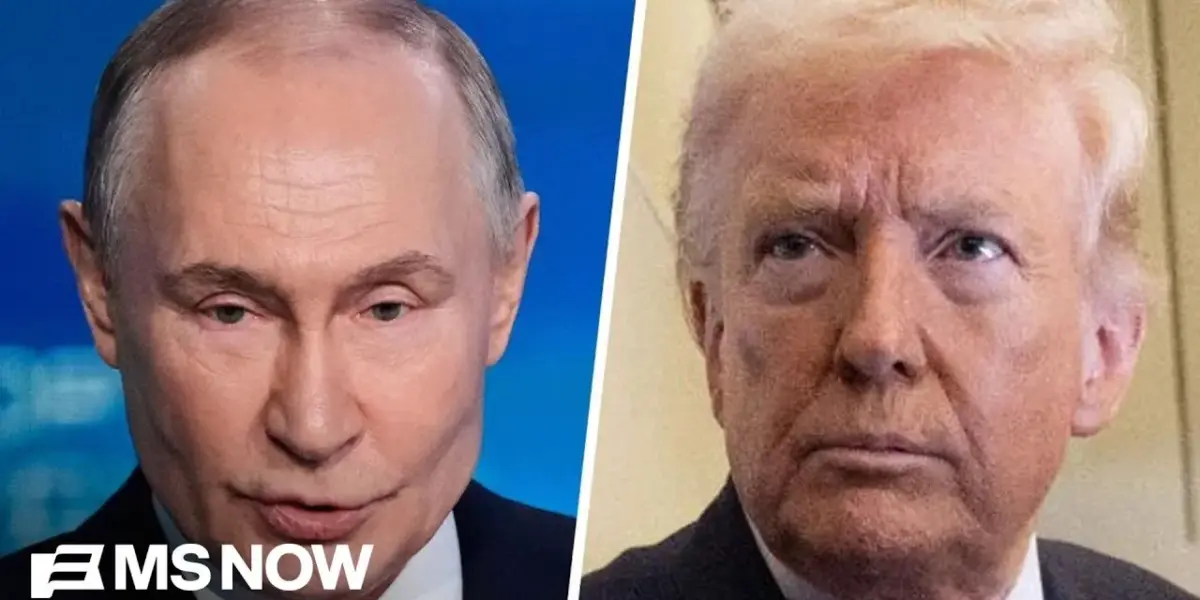
US Actions Aid Putin, Fuel Iran Tensions, Analysts Claim
The United States’ recent actions, including the seizure of an Iranian cargo ship and the temporary lifting of sanctions on Russian oil, are being criticized by analysts who say these moves benefit Russia and escalate tensions in the Middle East. The seizure of the ship, which the president claimed was attempting to bypass an American blockade, has led Iran to vow retaliation and put second-round peace talks, planned for Pakistan, in jeopardy.
The White House announced Vice President J.D. Vance would lead the U.S. delegation, a shift from initial reports that he would not travel to the region.
Iran Denies Peace Talk Plans Amid Rising Oil Prices
Adding to the uncertainty, an Iranian foreign ministry spokesman stated that Iran has no plans for further negotiations with the U.S. This development comes as global oil prices surged by 5 percent, reaching approximately $88.96 a barrel. The market reaction highlights the instability caused by the escalating situation with Iran and its potential impact on global energy supplies.
Sanctions Relief for Russian Oil Criticized
The Trump administration’s decision to lift sanctions on Russian oil for 30 days has drawn sharp criticism. This move reportedly went against the advice of Treasury Secretary Scott Bessent, who had previously stated the sanctions would not be renewed. Analysts argue that this decision provides a crucial lifeline to Vladimir Putin at a time when Russia’s economy is struggling under the weight of the ongoing war in Ukraine.
“All that has been to help Vladimir Putin… It’s very clear. Donald Trump is doing everything he can do to help Vladimir Putin.”
The ongoing conflict in Ukraine, which was expected to be a swift victory for Russia, has dragged on for years. Critics suggest that the U.S. administration has been misleading the public about the strength of the Russian economy, which they claim is in dire straits. The extension of sanctions relief is seen by some as a betrayal of efforts to pressure Russia into de-escalation.
Ukraine War Stalemate and Western Division
The war in Ukraine continues to be a focal point, with analysts suggesting that the current stalemate, particularly in the Donbas region, is a direct result of a lack of consistent U.S. military support for Ukraine. This perceived lack of support, coupled with the U.S. administration’s criticism of allies and failure to form a strong international coalition, is seen as furthering Putin’s goals of dividing the West and NATO.
Many European allies are reportedly moving forward with their own strategies, perceiving a diminished U.S. leadership role. This has led to concerns about the future of alliances, with some nations exploring partnerships that involve minimal American involvement. The situation in Hungary, where U.S. officials reportedly supported a particular candidate for prime minister who had expressed pro-Russian sentiments, further illustrates this perceived division.
Iran Negotiations Face Skepticism
Following the seizure of the Iranian cargo ship, optimism surrounding upcoming peace talks between the U.S. and Iran has waned. White House officials had previously expressed optimism about reaching a deal, suggesting that negotiators were close to an agreement. However, the events of the past 24 hours have cast doubt on these claims, with hardline elements within Iran, particularly the IRGC, appearing to be in control.
The lengthy negotiation process for the original JCPOA, which took 20 months, raises questions about the likelihood of a swift resolution. Skepticism remains high regarding the administration’s claims of optimism, with some suggesting it may have been strategic misinformation. The involvement of external actors, such as Russian and Chinese interests, is also seen as a factor influencing the outcome of these complex geopolitical situations.
Looking Ahead
As the situation unfolds, attention will remain on Iran’s response to the cargo ship seizure and the potential impact on peace talks. The ongoing war in Ukraine and the U.S. administration’s approach to supporting Ukraine will also be closely watched. Decisions regarding sanctions on Russian oil and broader U.S. foreign policy in the Middle East will continue to shape international relations and market stability.
Source: Joe: Trump is doing everything he can do to help Putin (YouTube)

Related Articles

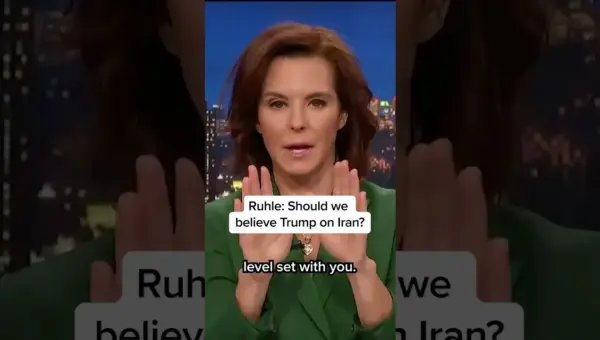
Trump’s Iran Claims Under Scrutiny After False Statements
MSNBC anchor Stephanie Ruhle has called attention to several untrue statements made by President Trump regarding Iran over the past week. Ruhle's report fact-checked the President's claims, highlighting discrepancies and questioning the accuracy of information presented on a critical international issue. The segment stressed the importance of reliable information for public trust and informed decision-making.

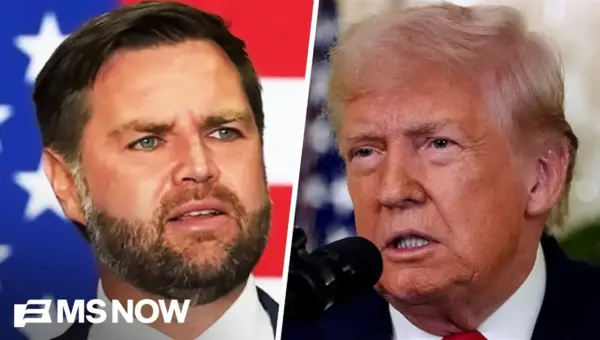
Iran Talks Stall as US Vice President Awaits Flight
US-Iran diplomatic talks are stalled, with Iran reportedly refusing U.S. proposals related to its nuclear program. Experts suggest Iran is strategically leveraging the situation, believing its 'clock' ticks slower than the U.S. The standoff raises questions about the effectiveness of U.S. strategy amidst rising defense spending.

Russia’s Belarus Buildup: A Feint to Distract or Real Threat?
Satellite imagery reveals Belarus building military infrastructure near the Ukrainian border, sparking fears of a new Russian invasion. Analysts debate if this is a genuine threat to Kyiv or a calculated feint designed to pressure Ukraine and divert resources. Russia has a history of using such tactics to gain strategic advantages without direct conflict.