International Force Needed to Keep Strait of Hormuz Open
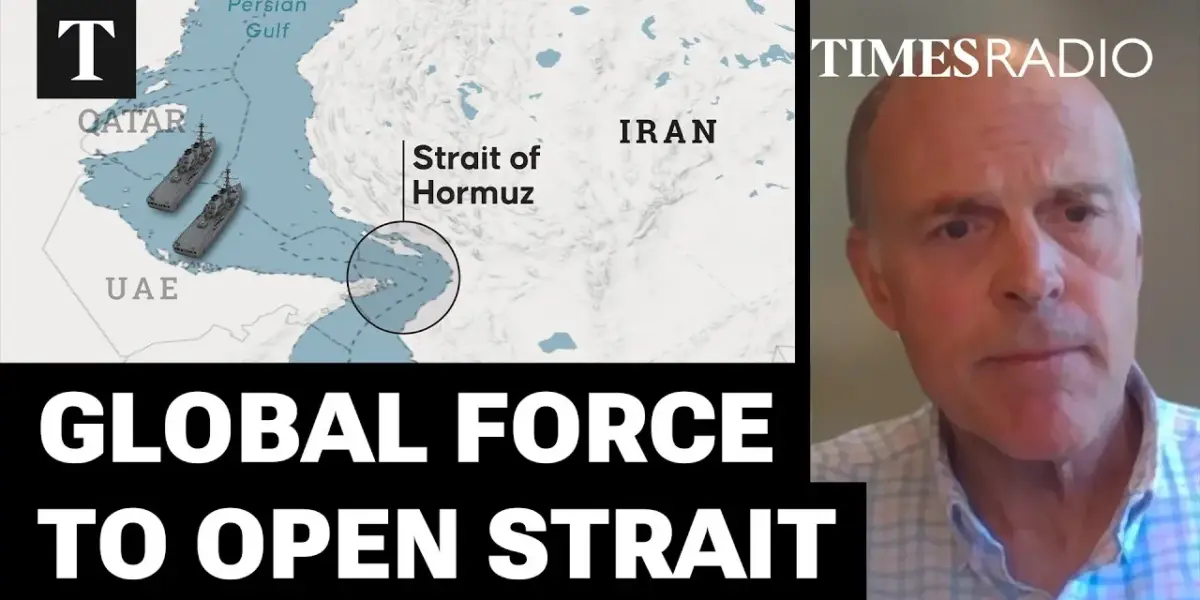
Vice Admiral Duncan Potts advocates for an international force to secure the Strait of Hormuz after a recent US seizure of an Iranian ship. Citing lessons from anti-piracy efforts, he argues a coalition is vital to maintain open passage through this critical global waterway. The move aims to prevent any single nation from controlling this essential trade route.

International Force Urged to Secure Strait of Hormuz
Vice Admiral Duncan Potts, a former commander of UK maritime forces, believes an international coalition is the best way to ensure the Strait of Hormuz remains open for global trade. This call comes after a recent incident where the US Navy seized an Iranian-flagged container ship for ignoring orders to stop. The Vice Admiral stressed that this is a global issue affecting everyone.
US Seizes Iranian Ship in Gulf Waters
The United States Navy recently took control of a large Iranian container ship, the Tusca, in the Gulf of Oman. The ship was reportedly seized after failing to heed repeated commands to halt.
President Trump confirmed the action, with US Marines now in command of the vessel. This event marks a significant development in the ongoing tensions in the region.
Expert Views on US Action
Vice Admiral Potts commented on the US action, noting that while the timing might be debated, the United States has been signaling its intention to take such steps for some time. He explained that the vessel’s non-compliance led to the seizure, a move consistent with actions taken against other vessels, such as those in the “shadow fleet.” Potts suggested this action was predictable based on prior US statements.
The Logic Behind the US Move
Potts sees a clear logic in the US approach, suggesting that framing the action as securing the Strait of Hormuz for all trading nations, rather than a direct blockade of Iran, might have been more effective. He noted that a blockade is an act of warfare, whereas ensuring free passage through an international strait is a matter of international law. International law, including UN conventions, supports the right of all nations to use such waterways freely.
Iran’s Stance on the Strait
The Vice Admiral pointed out that Iran has previously sought control over the Strait of Hormuz, a position he considers unacceptable. He referred to the “rules-based order” and how international law has evolved over centuries to protect freedom of navigation. Even though parts of the strait fall within Iran’s territorial waters, all nations have a legal right to transit freely.
Historical Precedents and Global Impact
Potts recalled Iran’s use of its leverage during the Iran-Iraq Tanker War in the 1980s. He also mentioned the 2019 seizure of the British flagship, the Stena Impero, by Iran’s Revolutionary Guard Corps.
These past events highlight that such actions are not new. He warned against setting a precedent where a nation controlling waters in a strait can restrict passage, as this has implications for other vital waterways like the Bab-el-Mandeb strait, the Strait of Malacca, and the South China Sea.
UK’s Capacity to Contribute
When asked about the UK’s ability to send naval support to the Strait of Hormuz, Potts acknowledged that the Royal Navy is smaller than it once was. He noted that the UK previously maintained a consistent presence in the region after the 1979 Iranian revolution, a commitment that ended recently. He emphasized that participation would depend on current priorities and the ability to meet global demands, including monitoring increased Russian activity closer to home.
Lessons from Anti-Piracy Operations
Drawing on his experience leading anti-piracy efforts against Somali pirates from 2010 to 2012, Potts highlighted the success of forming an international coalition. He also stressed the importance of engaging with the global maritime community, including ship owners and insurers.
By working together, developing a plan, and executing it, the threat was managed. He believes a similar international approach is necessary for the Strait of Hormuz.
A Call for Collective Action
Given that the challenges in the Strait of Hormuz affect the entire world, Potts reiterated that forming an international force is a logical and sensible step. This collective action would help ensure the strait’s continued status as a vital route open to all nations. The current situation demands a unified global response to maintain stability and freedom of passage.
Source: ‘International Force’ Should Come Together To Keep Strait Of Hormuz Open To All | Vice Admiral (YouTube)

Related Articles
Iran, US Trade Blame as Ceasefire Falters
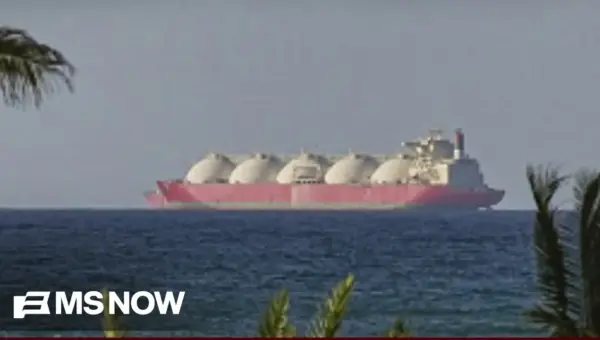
A fragile ceasefire between the United States and Iran is under severe strain as both nations accuse each other of violations. Renewed threats and escalating actions, particularly around the Strait of Hormuz, cast doubt on upcoming peace talks. Public concern is growing, with economic impacts and a potential for a protracted conflict looming.

US Navy Fires on Ship Near Hormuz, Peace Talks in Doubt
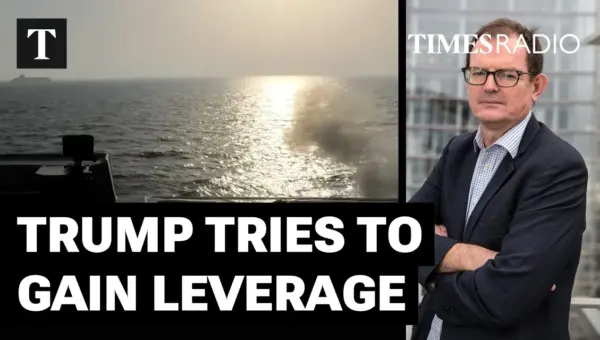
The U.S. Navy intercepted an Iranian cargo ship near the Strait of Hormuz, firing on the vessel and boarding it. This action by President Trump has cast doubt on upcoming peace talks, with Iran reportedly hesitant to attend. The incident escalates tensions amid an ongoing maritime blockade.


Iran’s Spy Queen Ran Global Arms Ring from California
A California businesswoman has been arrested for allegedly running an international arms-trafficking ring for Iran. Prosecutors say she brokered deals for drones and millions of rounds of ammunition from the U.S. for years. This case highlights significant national security concerns and the evolving tactics of foreign intelligence operations.