Hungary’s Past Fuels Present Anti-Russian Sentiment
A journalist's personal connection to Hungary's 1956 Revolution highlights the nation's historical resistance to Moscow. Finding a revolutionary flag from the uprising serves as a reminder of Hungarians' long-standing desire for independence. This historical legacy continues to shape national identity and influence current geopolitical views.

Hungary’s Legacy of Defiance Echoes in Current Politics
A deeply personal connection to Hungary’s history is shaping how one journalist views the nation’s current political climate. The 1956 Hungarian Revolution, a violent uprising against Soviet rule, remains a potent symbol of defiance.
This historical struggle against communist tyranny and Moscow’s influence is more than just a chapter in a history book for many Hungarians. It represents a core part of their national identity and a powerful reminder of their desire for independence.
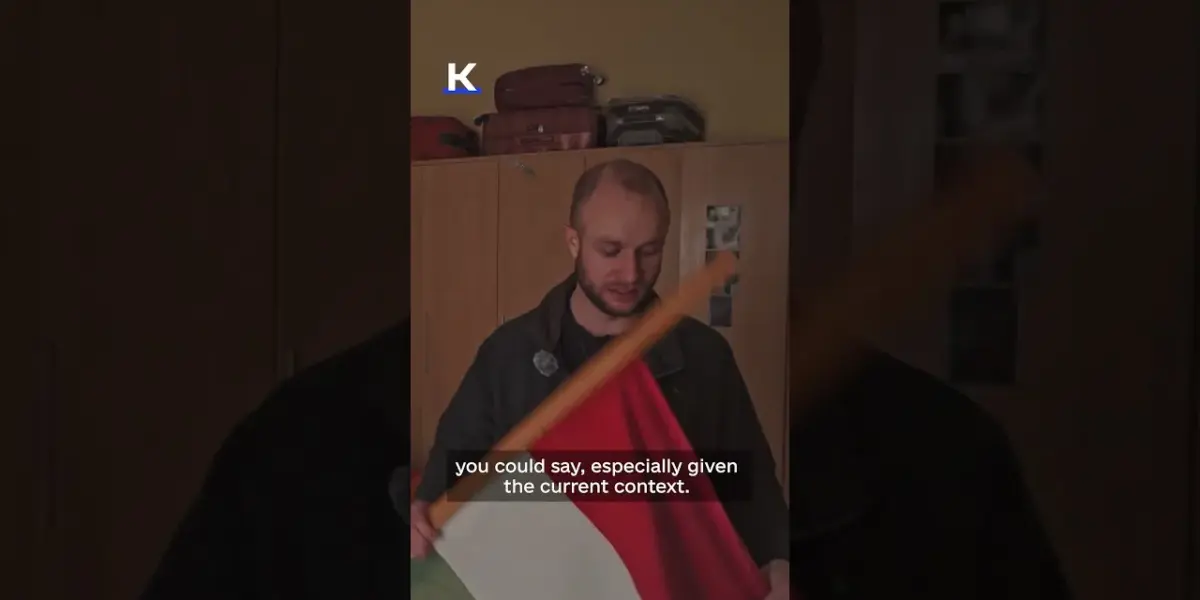
The journalist’s own experiences growing up with Hungarian heritage and living in Budapest have provided a unique perspective. Finding a weathered revolutionary flag from 1956 at a flea market outside the capital brought this history vividly to life.
The flag, with its emblem of the communist era crudely cut out, powerfully symbolizes the Hungarians’ rejection of foreign control. This artifact is a personal touchstone, reinforcing a belief that Hungarians are historically not pro-Russian.
The Symbolism of the 1956 Flag
The 1956 Hungarian Revolution was a spontaneous nationwide revolt against the communist government and its Soviet-imposed policies. It began as a student demonstration that quickly escalated into armed conflict.
The revolutionaries fought bravely against Soviet tanks and troops. Thousands of Hungarians lost their lives during the uprising, and many more were imprisoned or fled the country.
The flag found at the flea market, though its authenticity is uncertain, carries immense symbolic weight. The missing emblem from the center of the flag represents the revolutionaries’ deliberate act of removing the symbols of Soviet domination.
This act transformed the national flag into a powerful emblem of rebellion. It signifies a strong historical current of Hungarians standing up to Moscow, even when facing overwhelming odds.
Strategic Implications: Historical Memory and National Identity
The enduring memory of the 1956 Revolution plays a significant role in shaping Hungary’s contemporary foreign policy outlook. It provides a historical precedent for resisting external pressure, particularly from Russia. This legacy can influence public opinion and political discourse regarding Hungary’s relationship with its powerful eastern neighbor.
Understanding this historical context is crucial for interpreting Hungary’s current stance on various geopolitical issues. The desire to maintain national sovereignty and resist foreign interference, deeply rooted in the 1956 experience, can be a driving force. It suggests that historical narratives about past struggles for freedom continue to inform present-day national identity and political choices.
The journalist’s personal connection highlights how historical events are not static. They continue to resonate and influence contemporary perspectives.
The flag, a simple object, becomes a powerful metaphor for a nation’s enduring spirit. This spirit is one that has historically pushed back against attempts at domination.
The narrative surrounding the 1956 Revolution offers a counterpoint to any assumption of innate pro-Russian sentiment within Hungary. It highlights a proud history of resistance. This resistance is a key element of Hungarian national identity.
The journalist’s personal artifact is a tangible link to this past. It reinforces the idea that Hungarians have a deep-seated tradition of asserting their independence.
The impact of such historical memory on current events is a subject of ongoing observation. It provides a framework for understanding national sentiment.
The desire for self-determination, forged in past conflicts, continues to be a relevant factor in Hungary’s present and future. The story of the flag is a small window into this larger historical narrative.
Source: Hungary election story through personal lens (YouTube)

Related Articles

Russia Tries New Tactics Amid Ukraine Drone Offensive
Russia is reportedly gathering 20,000 troops for a new offensive in southeastern Ukraine, while Kyiv is adapting with integrated drone-assault units. Moscow is also developing its own satellite communication system, potentially challenging Ukraine's technological edge. The conflict's industrial and diplomatic dimensions are expanding, with Russia targeting European drone manufacturers, prompting diplomatic responses.
Russia Rejects Ukraine’s EU Path, Warns Europe
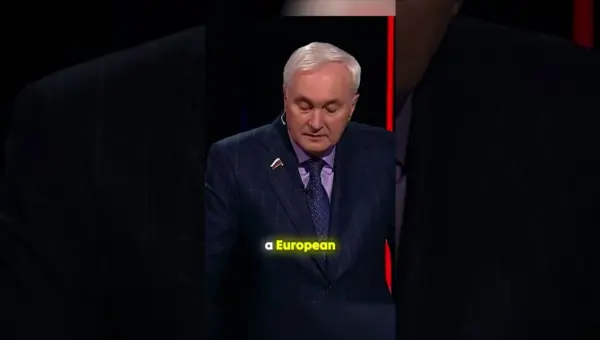
Russia has rejected Ukraine's pursuit of European Union membership, warning that any move to integrate Ukraine into a Western military bloc would trigger severe consequences for Europe. Moscow views Ukraine's European future as a direct threat and aims to block its accession to the EU.

Kremlin Exploits MAGA Rift to Destabilize U.S.
Prominent MAGA figures have simultaneously launched harsh criticisms against Donald Trump, a move analysts suggest is a coordinated Russian effort to destabilize the U.S. political system. This strategy aims to fracture the influential MAGA movement, weakening America's global standing.