Kremlin Exploits MAGA Rift to Destabilize U.S.
Prominent MAGA figures have simultaneously launched harsh criticisms against Donald Trump, a move analysts suggest is a coordinated Russian effort to destabilize the U.S. political system. This strategy aims to fracture the influential MAGA movement, weakening America's global standing.

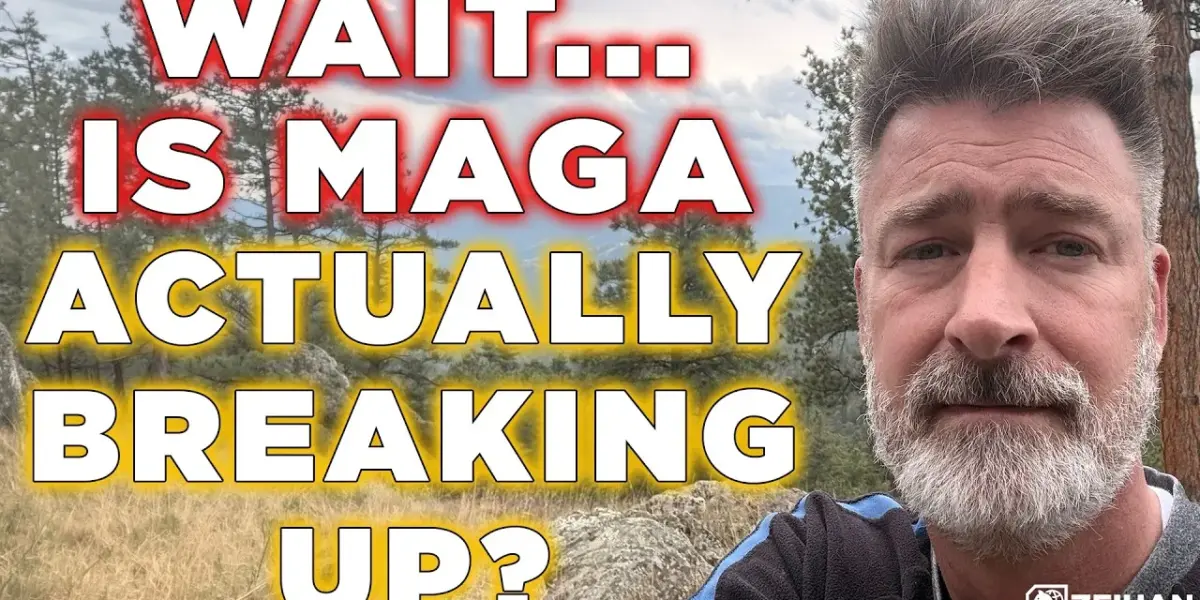
Kremlin Exploits MAGA Rift to Destabilize U.S.
In a sudden and coordinated move, several prominent MAGA-aligned figures have publicly turned against Donald Trump. These personalities, including Marjorie Taylor Greene, Tucker Carlson, Alex Jones, Nick Fuentes, and Candace Owens, have begun labeling Trump with harsh criticism. They describe him as a “mad king,” “genocidal,” and “evil,” with some even calling him the “Antichrist.” This sudden shift, occurring within days of each other, suggests a deliberate and organized effort rather than isolated incidents.
These individuals have a history of spreading propaganda and conspiracy theories. For years, they have presented narratives that often mislead their followers.
The synchronized attack on Trump indicates a strategic play, potentially influenced by external actors aiming to disrupt the American political landscape. This is not the first time such figures have been accused of acting as conduits for foreign influence, particularly from Russia.
Russia’s Long-Term Strategy
Russia’s primary objective has never been to install a specific president in the White House. Instead, Moscow aims to weaken and divide the American political system, making it less capable of acting decisively on the global stage. By exploiting internal divisions, Russia seeks to prevent the U.S. from effectively countering its foreign policy goals.
Donald Trump, while not directly controlled by Vladimir Putin, is easily manipulated. Putin has used conspiracy theories and divisive rhetoric to break down the traditional Republican Party.
This process weakened the influence of business, national security, and fiscal conservative factions, allowing the MAGA movement to become the dominant force within the party. MAGA represents one of the most consolidated voting blocs in U.S. history.
MAGA as a Target
As MAGA has become the most powerful element in American politics, it has become a prime target for destabilization efforts. The recent coordinated attacks on Trump by key MAGA figures serve this purpose. The goal is not necessarily to harm Trump himself but to fracture the MAGA movement’s ability to function cohesively.
This strategy is particularly effective now, given the ongoing Iran war. The Russians see an opportunity to further sow discord.
By driving a wedge between Trump and his core supporters, or between different factions within MAGA, they aim to neutralize its political power. This tactic leverages the very individuals who have amplified divisive narratives for years.
Trump’s Perception vs. Reality
A crucial question is whether Donald Trump understands the manipulative nature of these events. He has often believed that figures like Putin and his own supporters hold him in high regard.
This perception, however, has never been accurate regarding Putin’s strategic goals. Trump may need to confront this ego-bruising reality to grasp the current situation.
If Trump cannot mentally process this information, it could signal more than just the end of the Republican Party as a unified entity. It could also mean the dissolution of MAGA as a cohesive political force. The consequences of such a fragmentation depend heavily on one’s perspective of American politics and the global order.
Global Impact
The potential disintegration of MAGA as a unified force has significant implications. A weakened and divided American political system is less able to project power or maintain alliances. This creates space for Russia and other geopolitical rivals to pursue their agendas more freely.
Historically, foreign powers have sought to exploit internal divisions in rival nations. Russia’s current strategy echoes past efforts to weaken Western democracies. By targeting the most cohesive, albeit controversial, voting bloc in the U.S., Moscow aims to achieve a strategic objective with potentially minimal direct involvement.
The economic consequences could also be considerable. A politically unstable U.S. might struggle to enforce sanctions or maintain consistent trade policies. This uncertainty could affect global markets and international cooperation on issues ranging from energy security to defense.
Future Scenarios
One scenario is that Trump rallies his base against these critics, potentially consolidating his control over MAGA but deepening party divisions. Another is that the internal conflict leads to a lasting fracture, weakening MAGA’s electoral power and opening doors for other political forces.
A third, more concerning scenario, involves a complete breakdown of trust within the MAGA movement. This could lead to a significant portion of its supporters disengaging from politics entirely. Such apathy would fundamentally alter the American electoral map and reduce U.S. influence abroad.
The coming weeks will reveal whether this is a temporary spat or a fundamental unraveling. The ability of these MAGA figures to sustain their criticism and the reaction from Trump’s base will be key indicators.
Source: MAGA – Breaking Up Is Hard || Peter Zeihan (YouTube)

Related Articles

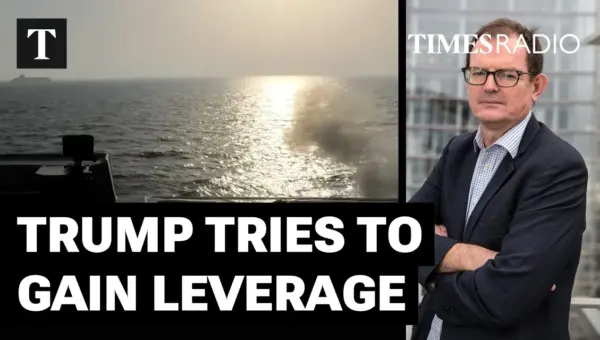
US Navy Fires on Ship Near Hormuz, Peace Talks in Doubt
The U.S. Navy intercepted an Iranian cargo ship near the Strait of Hormuz, firing on the vessel and boarding it. This action by President Trump has cast doubt on upcoming peace talks, with Iran reportedly hesitant to attend. The incident escalates tensions amid an ongoing maritime blockade.

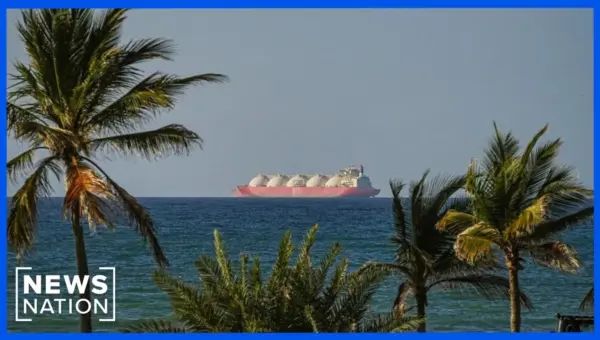
Iran Tensions Flare as US Seizes Ship, Ceasefire Hangs by a Thread
The U.S. Navy seized an Iranian cargo ship in the Strait of Hormuz, escalating tensions as a fragile ceasefire nears its expiration. Diplomatic efforts are underway, but Iran's participation is uncertain, leaving the region on edge.
FBI Insider Hints at Imminent Arrests in Election Claims
An FBI insider has suggested imminent arrests are coming, related to claims of election interference from 2020. While some view these statements with skepticism, others urge close attention to potential legal and political developments. The situation highlights ongoing debates about election integrity and its impact on future democratic processes.