Iran Tensions Flare as US Seizes Ship, Ceasefire Hangs by a Thread
The U.S. Navy seized an Iranian cargo ship in the Strait of Hormuz, escalating tensions as a fragile ceasefire nears its expiration. Diplomatic efforts are underway, but Iran's participation is uncertain, leaving the region on edge.

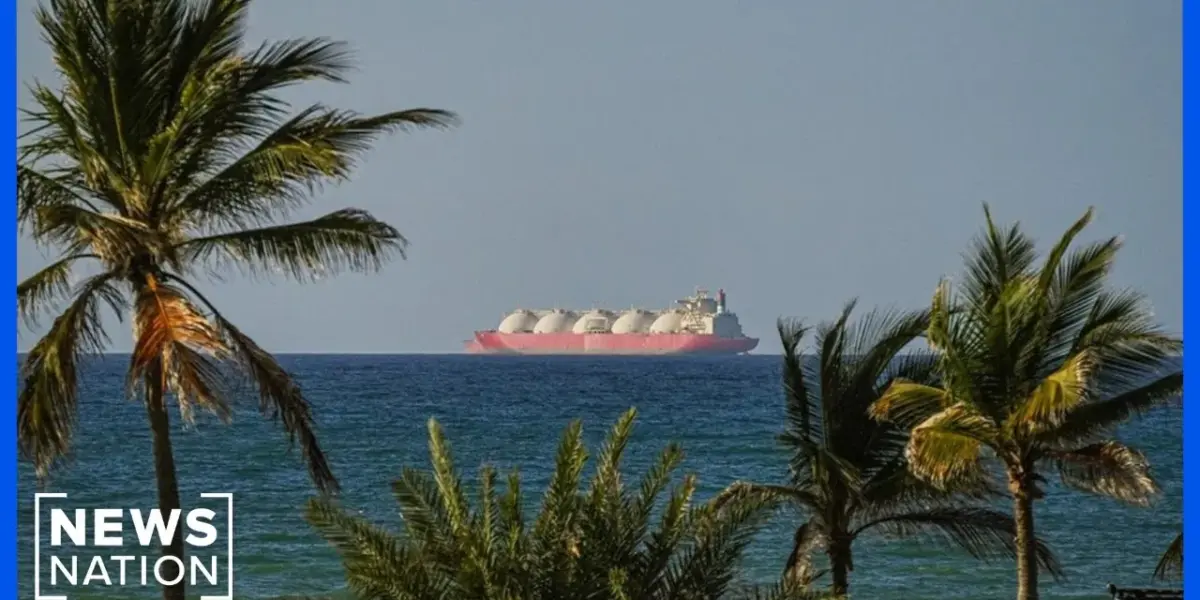
Iran Tensions Flare as US Seizes Ship, Ceasefire Hangs by a Thread
The volatile situation between the United States and Iran has reached a critical point. President Trump announced that the U.S. Navy seized an Iranian cargo ship attempting to bypass an American blockade in the Strait of Hormuz. This action comes after Iran reportedly fired on boats in the same vital waterway, leading the President to declare Iran had broken a fragile ceasefire agreement.
The seized vessel, identified as the MV 2Sky, is under U.S. Treasury sanctions due to a history of illegal activities. U.S. Marines have taken control of the ship, and an inspection is underway to determine its cargo. This move marks the first time a vessel has been boarded and taken since the U.S. naval blockade began last week.
A Fragile Peace on the Brink
Adding to the urgency, the current two-week ceasefire between the two nations is set to expire in just a few days. Iran has vowed a swift response to the ship seizure, and international concern is mounting over the potential for further escalation. Hopes are pinned on Washington and Tehran reaching an agreement or at least extending the ceasefire before the deadline.
Vice President Vance is scheduled to lead an American delegation for a second round of talks in Pakistan. However, Iran has not yet confirmed its participation, leaving the diplomatic path uncertain. The upcoming negotiations are seen as a crucial opportunity to de-escalate the growing tensions.
Strait of Hormuz: A Strategic Chokepoint
The Strait of Hormuz is a narrow waterway, crucial for global oil transport. Its closure or disruption can significantly impact international markets.
Iran’s recent actions, including closing the strait and alleged attacks on ships, have created a largely gridlocked situation. Many vessels are avoiding transit due to these threats.
The U.S. Navy’s seizure of the Iranian ship is a direct response to Iran’s actions and a show of force. This move signals a hardening of U.S. policy, especially after Iran’s threats to close the strait. The situation highlights the strategic importance of this waterway and the risks associated with its control.
Diplomacy on a Tightrope
Despite the heightened military activity, diplomatic efforts are ongoing. The Prime Minister of Pakistan has spoken with Iran’s President, and the U.S. delegation, including Vice President Vance, is expected to travel to the region. These discussions are critical as the ceasefire deadline approaches.
The White House has stated that the U.S. delegation will be in Pakistan for talks. However, Iran’s commitment to these negotiations remains unclear. The country has previously demanded the U.S. lift its naval blockade as a precondition for further dialogue.
Threats and Demands
President Trump has issued stern warnings, threatening to target Iran’s civilian infrastructure, including power plants and bridges, if a deal is not reached. He described the U.S. offer as fair and reasonable, urging Iran to accept it. This aggressive stance suggests a potential shift in U.S. strategy if diplomatic channels fail.
Key sticking points in the negotiations include Iran’s nuclear enrichment program and the removal of already enriched uranium. Last weekend’s talks, which lasted 21 hours, ended without an agreement. The U.S. administration cited Iran’s position as the reason for the lack of progress.
Why This Matters
The escalating tensions in the Strait of Hormuz have significant implications for global energy security and international relations. The waterway is vital for transporting a substantial portion of the world’s oil supply. Any disruption here can lead to price spikes and economic instability worldwide.
The ongoing standoff also tests the effectiveness of international diplomacy in resolving complex geopolitical conflicts. The outcome of these negotiations could set a precedent for how similar disputes are handled in the future, influencing regional stability and global power dynamics.
Historical Context and Future Outlook
The relationship between the U.S. and Iran has been fraught with tension for decades, marked by periods of direct confrontation and diplomatic standoffs. The current situation echoes past incidents in the Strait of Hormuz, where both nations have used naval power to assert their interests.
The future outlook remains uncertain. The upcoming talks in Pakistan are a critical juncture.
If diplomacy fails, the U.S. may continue its aggressive stance, potentially leading to further military actions. Conversely, a successful negotiation could usher in a period of de-escalation, though the deep-seated issues between the two countries would likely persist.
The U.S. delegation is expected to be in Pakistan for talks on Tuesday, with the ceasefire set to expire on Wednesday.
Source: War in Iran: Ceasefire set to expire as US seizes ship in Strait of Hormuz | NewsNation Prime (YouTube)

Related Articles


Iran Tensions Flare: A Path to Peace or More Conflict?
Tensions between the U.S. and Iran have escalated following the seizure of an Iranian cargo ship. Despite threats of military action, expectations for upcoming talks are low, raising concerns about further conflict and its human cost.


Russian TV Panics Over War Failures, Threatens West
Russian state television is gripped by panic over the prolonged war in Ukraine, with pundits struggling to explain battlefield failures. The rhetoric has shifted to blaming external forces, issuing threats against the West, and even calling for strikes on NATO territory. This reflects growing internal frustration and a deflection from systemic problems within Russia's leadership.
Iran’s AI-Powered ‘Slopaganda’ War Targets Americans Online
Iran is employing advanced AI to create and spread 'slopaganda,' using internet culture to influence American views on global conflicts. This digital strategy bypasses traditional media, reaching younger audiences directly through memes and fake videos. Experts warn that this approach exploits information gaps and highlights a need for better U.S. online communication strategies.