GLP-1 Drug Lawsuits Reveal Hidden Dangers of New Weight Loss Pills
Thousands are suing GLP-1 drug makers, alleging severe side effects like blindness and stomach paralysis. While drug companies claim their labels are clear, a lawyer argues manufacturers must warn about permanent injuries. Experts agree that while the drugs help many, companies must update labels as new risks emerge.

GLP-1 Drug Lawsuits Reveal Hidden Dangers of New Weight Loss Pills
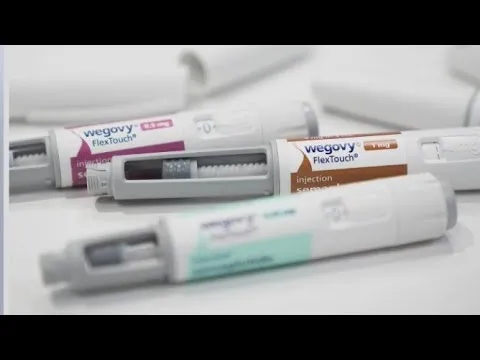
New weight loss drugs, known as GLP-1s, are making waves in the medical world. These medications, like Ozempic and Wegovy, have become incredibly popular for helping people lose weight and manage diabetes.
Now, a pill version called tirzepatide, sold as Zepbound and Mounjaro, is also hitting the market, showing early sales success. However, this rapid rise is accompanied by serious concerns and legal challenges.
The U.S. Food and Drug Administration (FDA) has requested more safety information on tirzepatide, specifically looking into potential links to liver and heart problems. This comes as thousands of patients are suing the drug makers. They claim these popular GLP-1 drugs have caused severe side effects, including blindness and stomach paralysis.
Patients Report Devastating Side Effects
An estimated 12% of adults in the U.S. have used these medications. Since 2023, at least 4,400 lawsuits have been filed.
More than 1,100 people report that the drugs caused them to go blind. One such patient is a truck driver from Maryland who says he suffered a stroke that left him unable to see.
Another severe issue reported is gastroparesis, a condition where the stomach is paralyzed. This affects 75% of the plaintiffs, ranging in age from 18 to 87. They describe living with pain, dehydration, and even malnutrition due to this condition.
What Do the Lawsuits Allege?
Attorney Grace P. Chancellor, who is part of the plaintiffs’ executive committee for GLP-1 litigation, explained the core of the lawsuits.
She stressed that conditions like blindness are not just minor side effects; they are permanent, life-altering injuries. Chancellor argues that while these drugs go through FDA approval processes, the manufacturers have a duty to report all potential risks.
“It is the duty of the manufacturer to bring conditions like these to the FDA and to not notify FDA that these conditions need to be warned about,” Chancellor stated. She believes manufacturers like Novo Nordisk and Eli Lilly must warn patients about these serious conditions. The drug makers, however, maintain that the safety of GLP-1s has been proven in clinical trials and reviewed by the FDA numerous times.
The Manufacturer’s Responsibility
Chancellor clarified that the goal of the lawsuits is not to remove these drugs from the market. Instead, they aim to ensure the labeling is accurate and reflects the real-world risks patients are experiencing. She emphasized that manufacturers are responsible for updating drug labels as they receive post-marketing complaints and new information from patients.
She shared the story of her client, Mr. Angle, the Maryland truck driver. After six months on the drug, he woke up blind in one eye. His doctor did not initially see a connection and advised him to stay on the medication.
Four months later, he lost vision in his second eye. A study later suggested a possible link, but the damage was already permanent.
Is the FDA or Doctor at Fault?
Chancellor firmly stated that in the U.S., the responsibility for accurate labeling lies solely with the manufacturers. “In the United States, it is absolutely still the manufacturer’s responsibility to update these labels to keep them accurate and to make sure that they’re informing consumers about the real-world consequences of these drugs,” she said.
The litigation is still in its early stages, having been consolidated in federal court this year. Chancellor noted that this type of legal process can take a long time, as more information is uncovered through document discovery.
Expert Opinions on Safety and Expansion
Dr. M.L. Smith, a vascular surgeon and founder of Health Care for Action, weighed in on the controversy.
He agreed that while many trials have been conducted and the FDA has approved the drugs, new patient groups may show different risks over time. “As time passes, we’re going to find out that there’s certain cohorts of patients that have this constellation of symptoms that have a higher risk of basically having blindness,” Dr. Smith explained.
Dr. Smith also believes the drugs should remain on the market because they help many people. However, he agrees that manufacturers must update labels as new risk factors are identified.
He raised concerns about the rapid expansion of these drugs, especially the new pill forms. He questioned if the market is growing too fast for the FDA to keep up.
Who Should Be Taking These Drugs?
A key concern is who is using these medications. Dr. Smith noted that GLP-1s are primarily meant for diabetics and people with cardiovascular risk factors. He pointed out that many people globally are using them for non-medical reasons, like spa treatments, often without a doctor’s careful prescription and medical history review.
“Can you really say in that patient population where a doctor really isn’t the one prescribing and a good history isn’t being taken that the companies have been liable?” Dr. Smith asked. He suggested that when drugs are used outside their intended medical scope, it complicates assigning blame.
Future Outlook and Market Changes
The market for these drugs is set to grow even larger. Key patents for drugs like Novo Nordisk’s semaglutide (Ozempic) are expiring in major countries like India. This will likely lead to cheaper versions entering the market.
Dr. Smith anticipates this could impact prices and access in the U.S. However, he stressed the importance of ensuring the quality and effectiveness of any drugs entering the market from outside the country. He worries that allowing non-medical prescriptions or sourcing from abroad could lead to more complications, similar to those seen by patients in the current lawsuits.
Why This Matters
The lawsuits and the FDA’s scrutiny highlight a critical tension between medical innovation and patient safety. As these powerful drugs become more accessible, especially in pill form, it is vital that their risks are fully understood and clearly communicated. The legal battles highlight the ongoing responsibility of pharmaceutical companies to provide accurate, up-to-date information to both doctors and patients.
This situation matters because millions of people are relying on these medications for their health. Ensuring transparency and accountability in drug development and marketing is essential for public trust and well-being. The rapid pace of new drug approvals and market expansion requires vigilant oversight to prevent potential harm.
Looking Ahead
The legal cases involving GLP-1 drugs are expected to continue for some time. As more data emerges from ongoing research and patient experiences, the understanding of these medications will evolve. The FDA’s ongoing review and the outcomes of these lawsuits will shape how these drugs are prescribed and regulated in the future.
The next major step in the litigation will likely involve discovery and potentially early trial dates as cases are consolidated and examined. Patients and healthcare providers will be watching closely for developments.
Source: Lawyer, doctor speak on lawsuit accusing GLP-1 drugs causing severe side effects | NewsNation Prime (YouTube)

Related Articles

GLP-1 Drugs Face Lawsuits Over Severe Side Effects
Thousands of patients are suing GLP-1 drug makers, alleging severe side effects like blindness and stomach paralysis. While manufacturers claim their drugs have FDA-approved warnings, lawsuits argue the information is insufficient. Experts and attorneys discuss the need for updated labels and manufacturer responsibility as these popular weight-loss drugs expand.

Weight Loss Drug Trial Shows 21% Weight Loss
Novo Nordisk's Wegovy drug showed patients lost an average of 21% body weight over 72 weeks in a recent trial. The drug also offers proven cardiovascular benefits, making it a strong contender in the booming weight loss market. Competition remains fierce, with Eli Lilly also making significant gains.


GLP-1 Drugs Spark $13 Billion Apparel Boom
Millions of Americans using GLP-1 weight-loss drugs are leading to significant changes in clothing purchases. This trend could inject up to $13 billion into the apparel industry annually as consumers buy new wardrobes to fit smaller sizes. Retailers are hopeful for a major sales boost, though drug costs may impact consumer spending.