Commercial Real Estate Faces Major Reset
The commercial real estate market is undergoing a major reset due to high interest rates and oversupply in certain sectors. This creates opportunities for experienced investors who can acquire distressed assets from struggling owners and lenders. Building a capable team is crucial for success in this evolving landscape.


Commercial Real Estate Faces Major Reset
The commercial real estate market is undergoing a significant reset, driven by a combination of rising interest rates and a glut of new construction. This has created stress for many property owners and lenders, opening doors for savvy investors. The current situation differs greatly from the 2008 housing crisis, which was fueled by oversupply and a price bubble.
In 2008, nearly 4 million homes were listed on the market, leading to a sharp drop in prices. Today, the market faces the opposite problem: a housing shortage. With only about 1 million homes available, the population growth has outpaced new construction for years.
This underbuilding, coupled with high interest rates, makes owning a home difficult for many. Those who already own homes are often hesitant to sell due to being locked into low mortgage rates and holding significant equity.
Interest Rates Drive Market Changes
The Federal Reserve’s aggressive interest rate hikes, aimed at curbing inflation, have dramatically increased borrowing costs. For commercial properties, especially those with floating-rate debt, this has squeezed cash flow. A property might be nearly fully occupied and well-managed, but a jump in mortgage payments from, say, 4% to 6% or higher can eliminate profits and even force owners to fund the shortfall from their own pockets.
This financial pressure is causing an “unraveling” in the market. Lenders are becoming concerned as borrowers struggle to meet higher debt payments.
Many property owners are running out of funds to cover expenses, leading to a situation where banks are increasingly looking to sell distressed assets. This creates a prime opportunity for experienced investors who can step in and acquire these properties at a discount.
The 2008 Crisis vs. Today’s Market
Understanding the difference between the 2008 crisis and the current market is crucial. The 2008 crash was a “Main Street crash” characterized by a bubble in single-family homes. Low interest rates had fueled a surge in homebuying and construction, creating an oversupply that eventually burst.
Today’s market, however, is different. We have a shortage of single-family homes, yet the multi-family sector is experiencing oversupply.
This is due to a boom in new construction, with over 500,000 multi-family units added last year, a 50-year high. This oversupply in rentals, combined with high homeownership costs, is pushing more people into the rental market, but with many new units coming online, rental rates are facing pressure.
Opportunity for Savvy Investors
For investors, particularly in the multi-family sector, this period presents a “perfect time to buy.” While some operators have struggled to accept current market pricing, the reality is that many owners are now facing the need to sell, either by choice or by force. This is especially true for those who need to refinance their properties in the current high-rate environment.
The key to success in this market lies in operational expertise. Banks and lenders are not property managers; they often lack the on-the-ground knowledge to fix distressed assets.
They are looking for experienced teams who can identify problems, manage renovations, and stabilize properties. The ability to operate and fix properties is becoming the biggest asset for investors over the next couple of years.
Building the Right Team is Crucial
Investors looking to capitalize on this market reset need a strong team. This team should include individuals with deep knowledge of local markets, operations, and property management. Understanding real rents, local economic factors like unemployment and population growth, and identifying deferred maintenance are critical skills.
Identifying potential capital expenditures, such as necessary roof repairs or interior renovations, is also vital. Banks are often willing to sell properties at a discount, but they need assurance that the buyer has the expertise to turn the asset around. This is why having a team with a proven track record in property management and construction is essential for securing deals from lenders.
Navigating Distressed Assets
When acquiring distressed properties, especially from lenders, investors must look beyond the apparent deal. A property offered for “free” with funds for renovation might still not be a good investment if the total cost exceeds the property’s stabilized market value. The focus should always be on solving the problem backward from the end value, considering current rents and expenses.
Investors should aim to buy assets below replacement cost and ensure they have sufficient margin to cover renovation costs and potential negative carry (ongoing expenses exceeding income) during the stabilization period. The goal is not just to acquire a property but to make a sound investment based on current market realities, not future projections.
Where to Find Deals
Deals in this market can be found through various channels. Property managers often have insight into struggling properties.
Lenders, lawyers, and brokers are also key sources. To access these opportunities, building relationships and demonstrating your team’s capabilities are paramount.
Brokers can provide a Broker’s Opinion of Value (BOV), which is essential for lenders and investors to understand a property’s current worth. This due diligence is critical when negotiating with banks, which are keen to avoid further losses on loans. The process involves a thorough analysis of financials, rent rolls, and the property’s condition to determine a fair offer price.
The current market environment, while challenging, offers significant opportunities for well-prepared investors. Building a strong team, understanding market fundamentals, and approaching deals with a focus on current value and operational expertise will be key to navigating the commercial real estate reset.
Source: The 2026 Real Estate RESET: Why Banks Are Desperate To Sell (YouTube)

Related Articles


Warsh’s Wealth Could Make Him Richest Fed Chair Ever
Kevin Warsh, a potential nominee for Federal Reserve Chair, possesses significant financial wealth that could make him the richest person to ever hold the post. His views on artificial intelligence suggest a potential push for lower interest rates. However, his vast investments may create complex divestment challenges if appointed.


Unlock Rental Income: 5 Uncommon Property Buying Strategies
Discover five alternative ways to purchase rental properties beyond traditional mortgages. Strategies like DSCR loans, seller financing, HELOCs, house hacking, and local bank portfolio loans can unlock investment opportunities for more buyers.

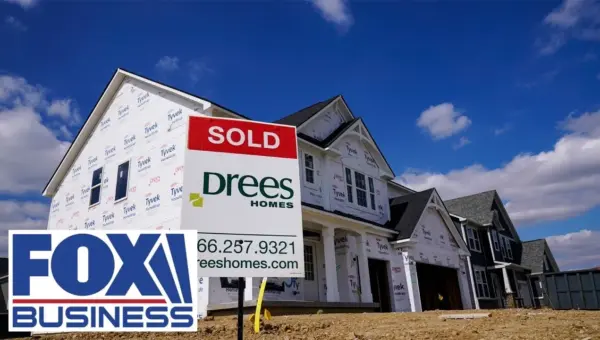
Homebuilder Recovery Hinges on Mortgage Rates Below 6%
Homebuilder stocks are rising as mortgage rates fall, but affordability remains a challenge. Acme Brick CEO Ed Watson believes rates below 6% are crucial for recovery. The commercial sector offers stability, while automation and AI are key to future manufacturing efficiency.