US Navy Seizes Iranian Ship After Engine Room Breach
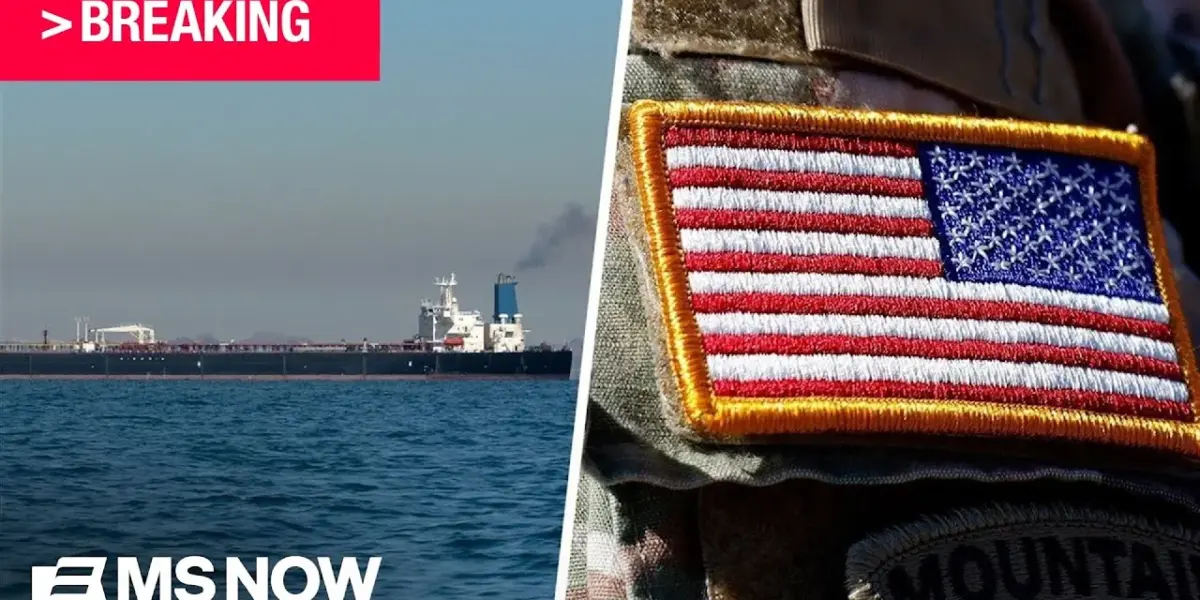
The U.S. Navy has seized an Iranian-flagged cargo ship, the Tosan, after it attempted to pass through a naval blockade in the Strait of Hormuz. President Trump announced the incident, detailing how the ship was intercepted and disabled by U.S. forces when its crew refused to comply. The vessel and its crew are now in U.S. custody.

US Navy Seizes Iranian Ship in Strait of Hormuz
The U.S. Navy has taken an Iranian-flagged cargo ship into custody after it attempted to pass through a naval blockade in the Strait of Hormuz. President Trump announced the action on his social media platform, Truth Social, stating the vessel was intercepted in the Persian Gulf. The incident occurred as tensions remain high between the United States and Iran over maritime control in the region.
Details of the Interception
The ship, identified as the Tosan, is a nearly 900-foot-long cargo vessel. According to President Trump’s statement, the Tosan attempted to bypass the U.S. naval blockade.
The U.S. Navy guided missile destroyer USS Gridley intercepted the Iranian ship when it refused to halt its course. The Navy then took action to stop the vessel by disabling its engine room.
Ship Disabled and Crew Detained
Reports indicate that the U.S. Navy ship fired upon the Tosan, creating a hole in its engine room. This action effectively disabled the vessel, preventing it from continuing its attempted passage.
Following the disabling of the ship, U.S. Marines took the vessel and its crew into custody. This event highlights the U.S. military’s readiness to enforce the blockade and intercept vessels challenging its authority.
“He says the U.S. Navy guided missile destroyer actually intercepted that shift in the Gulf. He says the Iranian crew refused to listen so our Navy ship stopped them right in their tracks by blowing a hole in their engine room. Custody of the ship.”
Context of the Strait of Hormuz Blockade
The Strait of Hormuz is a critical chokepoint for global oil transport, and its control is a significant point of contention. The U.S. has maintained a naval presence and blockade in the area to deter Iranian aggression and ensure freedom of navigation. This action by the U.S. Navy is presented as a continuation of President Trump’s promise to maintain this blockade, which has previously caused significant diplomatic friction with Iran.
Reports of Undetected Vessels
While the U.S. military asserts its control, there have been unverified reports suggesting that some vessels linked to Iran may have successfully bypassed the blockade without detection. These reports, which have not been independently confirmed, raise questions about the complete effectiveness of the blockade. However, the seizure of the Tosan demonstrates a forceful enforcement of the U.S. position.
Broader Implications and Future Outlook
The incident involving the Tosan highlights the ongoing strategic tensions in the Persian Gulf. The U.S. military’s decisive action sends a strong message regarding its commitment to enforcing maritime security and its blockade strategy.
As more information emerges, the international community will be watching closely for any response from Iran and further developments in the region. The U.S. military’s tactics of boarding or firing upon vessels appear to be actively employed in this situation.
The U.S. Navy’s seizure of the Iranian-flagged cargo ship Tosan marks a significant escalation in enforcing the Strait of Hormuz blockade. The vessel was disabled after attempting to breach the U.S. naval cordon, leading to its capture by U.S. Marines. This action reinforces the United States’ assertive stance on maritime security in the strategically vital waterway.
Source: Trump: U.S. takes Iranian-flagged cargo ship into custody after it tried to go through blockade (YouTube)

Related Articles
Mysterious Blasts Rock Iran Amid Escalating Tensions
Mysterious explosions continue to target critical sites in Iran, fueling fears of escalation amid stalled ceasefire talks. With Iran refusing negotiations and suspecting an imminent attack, and military airlifts ongoing, the region faces heightened tensions.

Pentagon Barred Trump Due to “Volatile” Behavior
Top Pentagon officials reportedly excluded then-President Donald Trump from a critical briefing after Iran shot down a U.S. drone due to concerns about his "volatile" behavior. Aides feared his impatience would disrupt necessary planning, opting instead to update him at key moments.
Iran Nuclear Material: US Faces Tough Extraction Amid Tensions
Tensions between the U.S. and Iran are escalating, making nuclear negotiations more difficult. The U.S. faces challenges in accessing and removing Iran's enriched uranium, a key component for nuclear weapons. Past negotiations show Iran's diplomats are professional, but their cooperation is vital for any agreement.