Iran Nuclear Material: US Faces Tough Extraction Amid Tensions
Tensions between the U.S. and Iran are escalating, making nuclear negotiations more difficult. The U.S. faces challenges in accessing and removing Iran's enriched uranium, a key component for nuclear weapons. Past negotiations show Iran's diplomats are professional, but their cooperation is vital for any agreement.

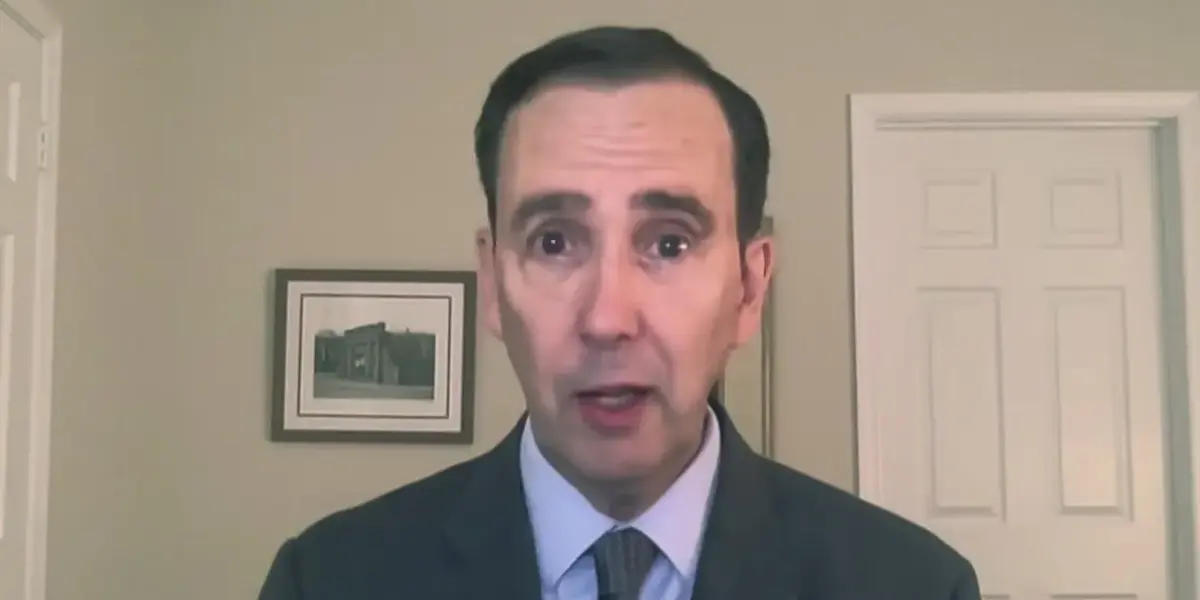
Iran Nuclear Material: US Faces Tough Extraction Amid Tensions
Tensions between the United States and Iran are growing more serious, especially with recent events in the Strait of Hormuz. This maritime escalation adds a new layer of difficulty to any potential deal with Iran. It’s not just about the nuclear issue anymore; the Strait’s stability affects the global economy every day it remains a point of conflict.
The clock is ticking much faster now for diplomatic solutions. A former U.S. diplomat who worked on nuclear negotiations with Iran from 2010 to 2015 explained that this situation is more urgent than during the Obama administration.
Back then, the main worry was Iran’s nuclear program. Now, the Strait of Hormuz issue makes everything much harder.
Understanding Iran’s Nuclear Stockpile
President Trump has spoken about the U.S. retaining material from Iran’s nuclear sites. This raises questions about what this material is, how much exists, and if it’s still accessible. The key ingredient for building a nuclear weapon is highly enriched uranium.
Iran possesses about 440 kilograms (around 1,000 pounds) of this material. With a little more processing, this uranium could be used to create a nuclear weapon.
Iran also has significant amounts of low-enriched uranium. The U.S. goal is to get this uranium out of the country. However, an even more critical step is to increase verification of Iran’s nuclear activities.
The International Atomic Energy Agency (IAEA) is currently not inspecting Iran’s nuclear sites. Any future agreement must include ways to monitor what Iran’s nuclear program is doing.
The Challenge of Removing Nuclear Material
Getting access to Iran’s nuclear material, especially under rubble from past operations, presents a major challenge. The most difficult part of building a nuclear weapon is obtaining and enriching uranium.
While Iran has the uranium, making it into a weapon requires more steps. The U.S. wants to remove this uranium, but first, it needs to be dug out from where it’s stored.
This process of digging out and securing the material would take time. In peacetime, with Iran’s cooperation, removing the uranium would be relatively easy. Iran could even do it themselves.
It would involve careful digging and handling of the material. However, for the U.S. to do this during a conflict and without Iran’s help, it would be extremely difficult.
Lessons from Past Negotiations
Iran’s diplomats are described as highly professional. While the regime is viewed as oppressive, its negotiators know their subject matter well and stay focused.
They are persistent and do not tire easily during talks. When Iran becomes serious about engaging in negotiations, they can be effective partners.
The previous nuclear talks, which lasted for years, showed this professional approach. During the first three years of those negotiations, Iran was not fully engaged.
However, once they committed to the process, the discussions moved forward. The key lesson is that Iran’s buy-in is essential for any agreement regarding its nuclear program.
Why This Matters
The current situation highlights the delicate balance of international relations. The U.S. and Iran are locked in a standoff where military actions, like those in the Strait of Hormuz, can quickly escalate tensions. This makes diplomatic solutions, particularly on sensitive issues like nuclear proliferation, much harder to achieve.
The presence of enriched uranium in Iran remains a global concern. The ability of the U.S. to verify and control this material is crucial for international security.
Without robust inspections and transparency, the risk of Iran developing nuclear weapons increases. This situation demands careful diplomacy and a clear understanding of the practical challenges involved.
Implications and Future Outlook
The ongoing tensions in the Strait of Hormuz could have far-reaching consequences for global energy supplies and trade. Any disruption to this vital waterway affects oil prices and the economies of many nations. This adds a significant economic pressure point to the existing political and security concerns.
The future outlook depends heavily on whether diplomatic channels can be reopened and sustained. For any progress to be made, both sides will likely need to demonstrate a willingness to compromise and build trust. The lessons learned from past negotiations, such as Iran’s professional approach when engaged, could offer a path forward.
Ultimately, the ability to secure and monitor Iran’s nuclear material hinges on cooperation. The U.S. faces a complex task that requires not only technical expertise but also a strategic diplomatic approach. The next steps will likely involve renewed efforts to establish verification mechanisms and de-escalate regional tensions.
The IAEA’s role in monitoring Iran’s nuclear program is critical. For eyes to be back on Iran’s nuclear activities, international cooperation and Iran’s willingness to allow inspections are paramount.
Source: Clock ticking more urgently amid US-Iran tensions, former diplomat says | Morning in America (YouTube)

Related Articles


Iran Tensions Rise: Trump Threatens ‘Blockade and Bombs’
President Trump is escalating pressure on Iran amid a standoff in the Strait of Hormuz, threatening "blockade and bombs" if a deal isn't reached. New York Mayor Zohran Mamdani discussed his progress on campaign promises and his relationship with the President. Polls reveal public concern over the Iran conflict and the economy, impacting Trump's approval ratings.


Trump’s Iran Diplomacy Crumbles Amidst Global Humiliation
Headlines reveal a significant breakdown in US-Iran diplomacy, with former President Trump's announcements being denied by Iran and military advisors reportedly excluding him from key operations due to erratic behavior. This has led to a loss of global credibility and raised questions about US foreign policy effectiveness.

Ukraine Fights On Amid Shifting US Support
Ukraine demonstrates growing self-reliance amidst shifting U.S. support, bolstered by EU aid and its own emerging military tech exports. Russia's demands remain firm, while Iran leverages control of the Strait of Hormuz. President Trump faces domestic and foreign policy challenges.