Trump’s ‘Jesus’ Post Sparks Outrage, Exposes Faith Divide
Donald Trump's recent social media post, depicting him as the risen Christ, has sparked significant outrage. Critics argue the image disrespects Christian faith and that Trump's explanation insults voters' intelligence. This has fueled calls for a stronger Democratic Party.


Trump’s ‘Jesus’ Post Sparks Outrage, Exposes Faith Divide
A recent social media post by former President Donald Trump, depicting him in a manner resembling the risen Christ, has ignited a firestorm of criticism, particularly from within Christian communities. This image, which showed Trump healing someone, has been interpreted by many as a profound insult to their faith and religious beliefs.
The controversy doesn’t end with the initial shock of the imagery. Trump himself reportedly claimed he thought the picture was of him as a doctor, a statement that has only deepened the offense for some. This explanation has been widely seen as an insult to people’s intelligence, suggesting a lack of understanding or respect for the religious symbolism being used.
Commentators have pointed out the deep disconnect this represents for many Americans who identify as Christian and conservative. For years, these two identities have been closely linked in the political landscape. Seeing their faith seemingly co-opted or disrespected in such a manner has left many feeling alienated and concerned.
A Call for a Stronger Democratic Party
The incident has also been framed as a moment of awakening for those seeking a different political path. Many like-minded Americans, feeling disillusioned by such displays, are looking for a more robust and principled Democratic Party. They desire a return to what they perceive as normalcy and a stronger voice for their values.
This sentiment suggests a growing desire among a segment of the electorate for political figures who not only understand but also respect deeply held religious beliefs. The focus is shifting towards leaders who can inspire confidence without resorting to potentially blasphemous or divisive imagery. The push for a stronger Democratic Party is seen as a way to achieve this.
Historical Context and Political Messaging
Throughout history, political leaders have often sought to align themselves with religious symbolism to garner support and project an image of divine favor. This tactic can be effective in appealing to a religious base, but it carries significant risks if mishandled. When the imagery is perceived as disrespectful or exploitative, it can backfire spectacularly, alienating the very people it seeks to attract.
The current political climate, already charged with strong emotions and divisions, makes such missteps particularly damaging. The use of religious icons in political messaging requires a delicate touch and a deep understanding of the audience’s sensitivities. What might be intended as a powerful statement can easily be interpreted as a profound misjudgment.
Why This Matters
This event highlights the complex relationship between religion and politics in America. It shows how easily religious symbols can become points of contention when used in political campaigns. For many voters, their faith is a sacred aspect of their identity, and any perceived disrespect can lead to a strong negative reaction.
It highlights a growing demand for authenticity and respect from political leaders. Voters are increasingly scrutinizing how candidates and officials engage with sensitive cultural and religious issues. This incident suggests that a significant portion of the electorate is looking for politicians who can connect with them on a deeper, more respectful level.
Implications and Future Outlook
The implications of this controversy extend beyond a single social media post. It could signal a shift in how religious voters engage with political figures.
Those who felt insulted may re-evaluate their support for candidates who they believe do not respect their faith. This could lead to a realignment of voting blocs and a greater emphasis on candidates’ moral and ethical conduct.
Looking ahead, political campaigns will likely need to be more cautious in their use of religious imagery and messaging. The incident is a reminder that while faith can be a powerful tool for connection, it can also be a source of deep offense if not handled with care and reverence. The demand for a return to normalcy and a stronger, more principled Democratic Party suggests a desire for a political discourse that prioritizes respect and understanding.
The call for a stronger Democratic Party, fueled by reactions to such controversies, indicates a potential mobilization of voters seeking a political alternative. As the political cycle progresses, the ability of parties and candidates to navigate these sensitive issues will be crucial in winning the trust and support of diverse communities across the nation.
Source: Pete Calls Out Trump for “Jesus” Post #politics #fyp #new (YouTube)

Related Articles


Trump’s Iran Diplomacy Crumbles Amidst Global Humiliation
Headlines reveal a significant breakdown in US-Iran diplomacy, with former President Trump's announcements being denied by Iran and military advisors reportedly excluding him from key operations due to erratic behavior. This has led to a loss of global credibility and raised questions about US foreign policy effectiveness.

GOP Eyes Supreme Court as Senate Control Slips Away
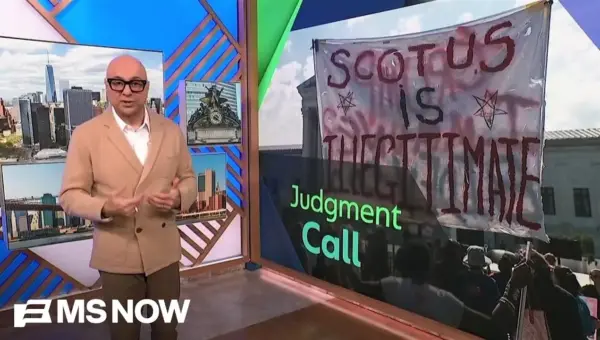
Democrats are gaining ground in the race for Senate control, prompting Republicans to shift focus to the Supreme Court. With key conservative justices aging, the GOP aims to secure future appointments if they maintain power. Meanwhile, Justice Clarence Thomas's controversial speech on progressivism has drawn sharp criticism.


Military Leaders Try to Block Trump’s War Escalation
Military leaders are reportedly trying to sideline Donald Trump from war discussions due to his erratic behavior. Meanwhile, Trump issues escalating threats against Iran, while Iran rejects his claims and refuses to negotiate under current conditions. Upcoming talks in Pakistan face an uncertain future.