DOJ Moves to Erase Jan. 6 Convictions, Critics Cry ‘Rewriting History’
The Justice Department is asking a federal appeals court to erase the convictions of 12 leaders from the Proud Boys and Oath Keepers involved in the January 6th Capitol attack. Critics argue this move by the DOJ is an attempt to rewrite history and undo the findings of juries and judges. If successful, these individuals would regain rights like firearm ownership, further sparking debate over accountability for the events of January 6th.

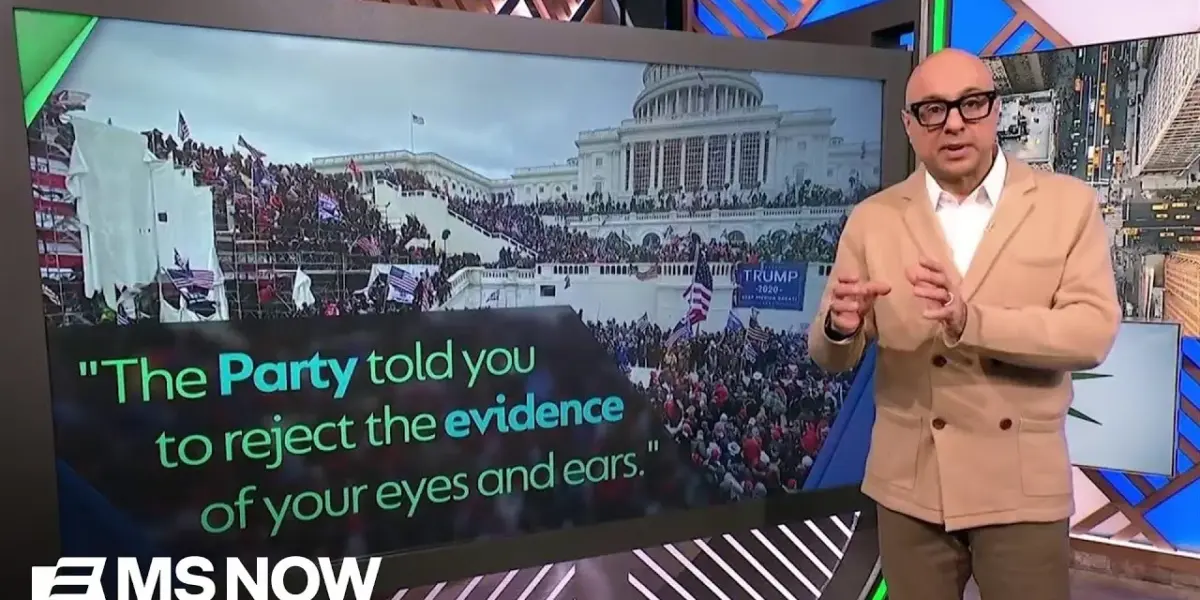
Justice Department Seeks to Void Key January 6th Convictions
The Justice Department has taken a significant step that critics are calling an attempt to rewrite history. Last week, the department filed papers with a federal appeals court.
They are asking the court to erase the convictions of leaders from the Proud Boys and the Oath Keepers. This action affects 12 individuals convicted of seditious conspiracy for their roles in the January 6th, 2021 attack on the U.S. Capitol.
This move goes further than previous actions taken by the Trump administration. Since returning to office, President Trump had already issued pardons and commutations to about 1,600 people charged in connection with the January 6th events.
However, those measures were apparently not enough for some. The latest filing aims to vacate the convictions themselves, essentially removing them from the legal record.
Seditious Conspiracy: A Charge for Coordinated Action
The charge of seditious conspiracy is rarely used. Prosecutors pursued it because they believed the January 6th attack was not just a protest that spiraled out of control.
Instead, they argued it was a planned effort to stop the peaceful transfer of presidential power. Juries agreed with this assessment.
Evidence presented at trial highlighted the seriousness of the defendants’ intentions. During Stewart Rhodes’ trial, prosecutors played a recording where the Oath Keepers’ leader stated, “We should have brought rifles.” He also said, “I’d hang effing Pelosi from a lamppost.” These statements highlighted the prosecution’s case that the actions were premeditated and intended to disrupt government functions.
Harsh Sentences and Judicial Scrutiny
The judges who presided over these cases delivered strong condemnations. The judge sentencing Rhodes described him as an “ongoing threat and peril to this country and to the very fabric of our democracy.” Rhodes received an 18-year prison sentence. Enrique Tarrio, the leader of the Proud Boys, was sentenced to 22 years for his involvement in the Capitol attack.
These sentences reflected the severity with which the courts viewed the defendants’ actions. They were seen not as mere political dissent, but as a direct assault on democratic processes. The convictions represented a legal finding that these individuals engaged in a conspiracy to overthrow the government.
Critics Condemn DOJ’s Move as ‘Weaponization’
The Justice Department’s current filing frames its past actions as “years-long Biden-era weaponized prosecutions.” This characterization has drawn sharp criticism. Critics argue that the Trump administration is accusing the previous Justice Department of bias for prosecuting individuals convicted by independent juries based on evidence presented in open court.
“This is not weaponization. This is the justice system working as it is intended to work.”
Legal experts and observers point out that the prosecutions involved judges appointed by presidents from both parties. They argue that this process demonstrates the justice system functioning as designed, not being misused for political ends. The current filing is seen by many as an attempt to undo those findings.
Broader Consequences of Vacated Convictions
The implications of vacating these convictions extend beyond the individuals involved. Since receiving pardons, at least 33 former January 6th defendants have reportedly faced new charges or convictions for other crimes. This pattern raises questions about the broader impact of these legal decisions.
If these convictions are erased, the individuals would no longer be prohibited from owning firearms. A former federal prosecutor noted that “the collateral consequences of a felony conviction are gone.” This means losing the rights and restrictions associated with a felony conviction, such as the right to own a gun.
History and Accountability
Critics argue that this action is an attempt to officially declare, through the Justice Department itself, that the events of January 6th were not what they appeared to be. They emphasize that the events were captured on camera and are a matter of public record. History, they contend, cannot be erased by legal filings.
The push to vacate these convictions is seen by many as an effort to alter the historical narrative of the January 6th attack. The evidence presented in court and the convictions themselves represent a formal legal judgment on the actions of these individuals. Erasing them would remove this official record.
What’s Next?
The federal appeals court will now consider the Justice Department’s request. The decision could set a precedent for how past January 6th convictions are treated. The public will be watching to see if the legal record of the Capitol attack will be altered.
Source: Trump can try to erase January 6th convictions, but he can't erase history (YouTube)

Related Articles

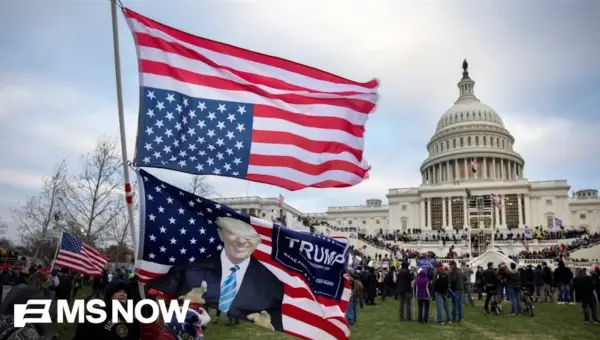
Ex-Jan 6 Investigator Slams DOJ Over Trump Cases
Former lead January 6 investigator Timothy Haifey calls the DOJ's potential move to drop charges against some offenders 'outrageous.' He argues this creates a two-tiered justice system, rewarding Trump supporters while punishing opponents. Haifey also questions the DOJ's investigation into Cassidy Hutchinson, viewing it as retribution.

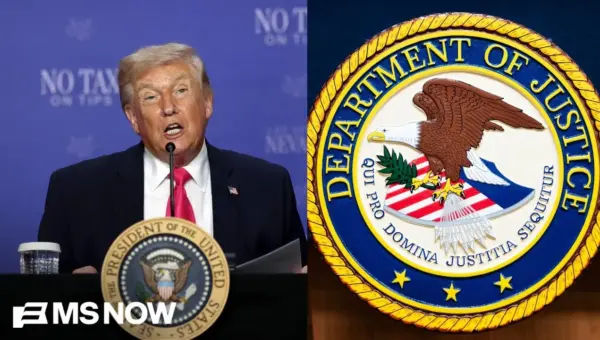
DOJ Prosecutor Reassigned Amid Investigation into Trump Critic
A top prosecutor was reassigned from an investigation into former CIA Director John Brennan after reportedly stating there was insufficient evidence for charges. Legal experts suggest this move reflects a pattern of political pressure within the Department of Justice. Brennan himself expressed deep concern over the direction of the country and the message sent to public servants.

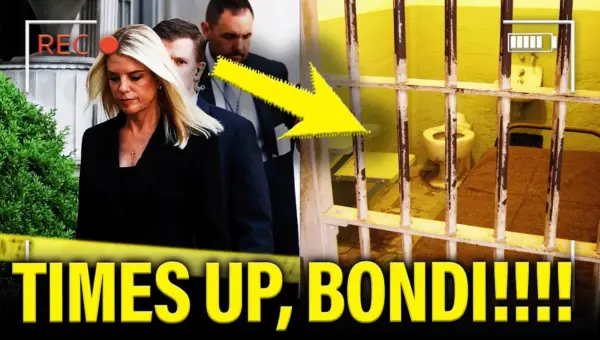
Bondi’s Subpoena Dodge Fuels Epstein Cover-Up Fears
Pam Bondi's refusal to testify in the Jeffrey Epstein investigation, despite a bipartisan subpoena, fuels fears of a cover-up. Legal experts criticize the delay tactics, arguing Bondi's testimony is crucial for uncovering the truth about the Epstein files and potential government complicity.