US Warns Iran on Strait of Hormuz Actions
The U.S. military has issued a strong warning to Iran regarding actions in the Strait of Hormuz. Following IRGC attacks on merchant ships, Washington signaled potential precision strikes on Iranian infrastructure if diplomatic efforts fail. Advanced drones are providing real-time intelligence, underscoring readiness for escalation.


US Military Signals Escalation Over Strait of Hormuz Disruptions
The United States military has issued a stark warning to Iran following recent actions in the Strait of Hormuz. The IRGC, Iran’s Revolutionary Guard Corps, reportedly attacked merchant ships in the vital waterway on Saturday, April 18th. This incident occurred after Iran had previously declared the Strait closed.
Tehran has responded with strong rhetoric, stating the waterway will remain under their firm control. They demand the U.S. lift its naval blockade. Iranian officials also claim their navy is prepared to deliver significant defeats to American forces.
Washington Responds to Iranian Threats
The U.S. military’s response has been direct and unambiguous. President Trump stated, “It’s time for Iran’s killing machine to end.” This suggests a potential shift in U.S. strategy if diplomatic efforts fail.
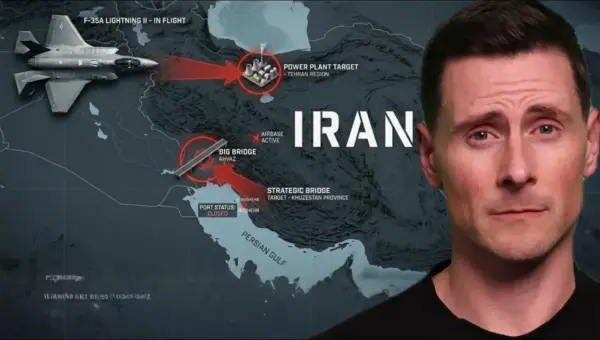
American forces may target infrastructure crucial to the IRGC’s operations. This could include power plants and bridges. The aim would be precision strikes designed to inflict maximum damage on the IRGC’s war-making capabilities.
Intelligence and Surveillance in the Region
Advanced drones are likely operating above the Strait of Hormuz. These aircraft provide real-time intelligence, surveillance, and reconnaissance data. This information is crucial for U.S. carrier strike groups operating in the area.
These surveillance efforts also help prepare targeting packages. This ensures readiness should the conflict escalate into direct military engagement. Such preparations signal a heightened state of alert and a readiness to respond forcefully.
Strategic Implications
The Strait of Hormuz is a critical chokepoint for global oil shipments. Any disruption there can significantly impact international markets and energy supplies. Iran’s actions aim to exert pressure on the U.S. by threatening this vital passage.
The U.S. response, threatening strikes on Iranian infrastructure, indicates a willingness to escalate. This approach targets Iran’s ability to project power and sustain its military operations. It mirrors historical tactics of degrading an adversary’s logistical and operational capacity.
The use of advanced drones for intelligence gathering is standard practice in modern warfare. These systems allow commanders to monitor enemy movements and identify targets with great accuracy. This real-time data is essential for making rapid decisions in tense situations.
Should conflict become kinetic, the U.S. aims to inflict ‘maximum pain’ on the IRGC. This doctrine focuses on degrading the enemy’s ability to fight, rather than solely on territorial gains. It’s a strategy designed to force a change in behavior through severe economic and military disruption.
The geopolitical stakes are high, involving not just the U.S. and Iran, but also global energy security. The standoff highlights the ongoing tensions in the region and the potential for wider conflict. The coming days will likely show whether diplomacy or military action will dictate the next steps.
What This Means on the Ground
For the IRGC, the U.S. threat means a heightened risk to its command and control, logistics, and key infrastructure. Any further aggressive actions in the Strait could trigger immediate retaliatory strikes. This escalates the danger for Iranian military personnel and assets.
For U.S. forces, it means maintaining a high level of readiness. Constant surveillance and intelligence gathering are paramount.
They must be prepared to act swiftly and decisively if ordered. The focus is on deterring further Iranian aggression while preparing for potential conflict.
The situation remains tense. The U.S. military is clearly signaling its resolve to maintain freedom of navigation in the Strait of Hormuz. This assertive stance aims to deter Iran from further disruptive actions.
The military readiness and intelligence gathering operations will continue. The U.S. carrier strike group remains positioned to respond. The focus remains on ensuring the stability of this critical global shipping lane.
Source: U.S. Military Just Issued Iran’s Mullahs A Threat They Can’t Ignore (YouTube)

Related Articles


Generals Blocked Trump from Briefings Amidst War Fears
Top Pentagon officials reportedly excluded former President Donald Trump from critical briefings due to fears his erratic behavior could jeopardize a mission. This decision stemmed from Trump's volatile state after Iran shot down a U.S. airman, leading to threats and obsession with political fallout. The situation highlights concerns about leadership judgment and trust within the administration.

US Faces Limited Options Against Iran’s Strait Control
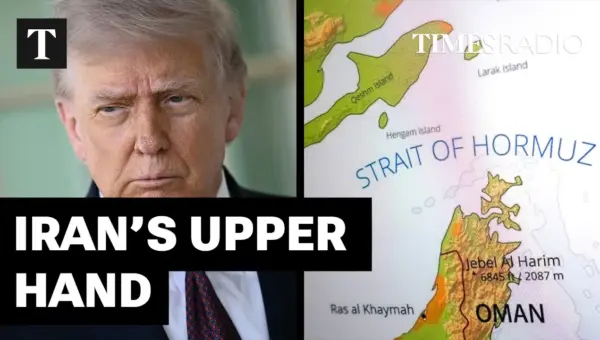
Iran's control over the Strait of Hormuz presents the U.S. with limited options beyond a massive ground invasion. Despite ongoing peace talks and a potential deal mirroring past agreements, Iran's demonstrated leverage over the vital economic chokepoint solidifies its strategic position. The conflict's economic fallout is impacting global markets, with the U.S. experiencing higher energy prices and slower economic growth, while other nations face more severe consequences.
US Threatens Iran: “Knock Out Power Plants, Bridges”
The U.S. has threatened to strike Iran's power plants and bridges if diplomatic talks fail, following IRGC attacks on commercial shipping in the Strait of Hormuz. Iran remains defiant, asserting control over the vital waterway amidst an ongoing U.S. naval blockade.