Iran Conflict Looms: Congress Must Decide War’s Fate
The ongoing conflict in Iran raises questions about presidential authority and congressional duty. Experts express doubt about the current negotiations, while economic realities show a divide between Wall Street and Main Street. New political candidates are emerging with a focus on collaboration and service.

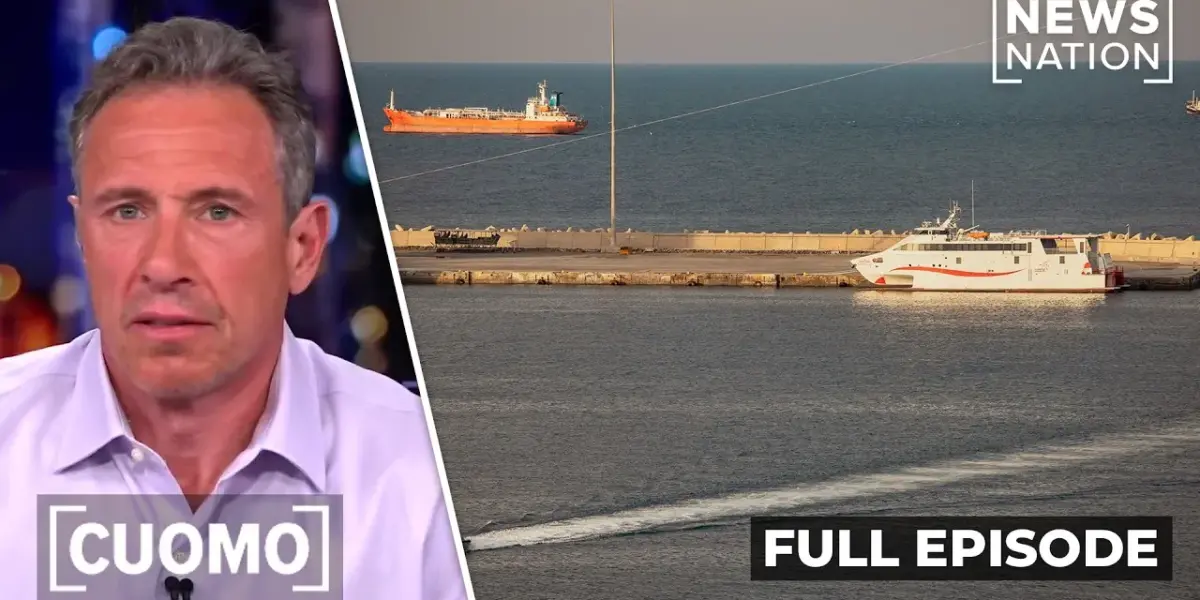
Iran Conflict Looms: Congress Must Decide War’s Fate
The president has repeatedly promised an end to the war in Iran is near. However, these assurances have been ongoing for 50 days. The War Powers Resolution of 1973 offers a crucial check on this.
After 60 days, military action must end unless Congress explicitly votes to extend it. This law requires Congress to vote on military actions, considering the cost and troops involved.
The current situation in Iran is not going as planned. It is also a war that most Americans do not support. The president should welcome Congress’s involvement.
This transition would allow Congress to share responsibility. The Iranian regime has been weakened in significant ways. This could be seen as a positive outcome for people in both Iran and the United States.
The law states the president must consult with Congress. He is expected to present his recommendations and options. Congress then has the duty to vote on the best course of action.
This process aligns with the Constitution. Ideally, Congress would vote to end the war, reflecting the will of the people.
However, even if they vote to continue, the president would no longer bear the sole responsibility. This is the best possible outcome in a difficult situation.
Conflicting Reports Emerge from Iran Negotiations
The president insists this latest promise to end the war soon is different. He claims the Iranian regime has finally agreed to his demands. This claim, however, is met with skepticism.
It is troubling when Americans must question whether to believe their own president or a foreign regime. This uncertainty is disheartening for the nation.
Iran’s foreign minister stated that the Strait of Hormuz is completely open for the duration of a ceasefire. The president interpreted this as a sign of a complete deal. However, the regime says they can close the strait if the ceasefire ends.
President Trump claims Iran has promised never to close the strait again. He also states that Iran is removing mines from the sea. Online propaganda from the regime, however, suggests this is not happening.
Regarding Israel, the president stated Israel will no longer bomb Lebanon. He declared the U.S. prohibits such actions. Yet, a senior U.S. official later clarified that Israel retains the right to self-defense.
This means if Hezbollah attacks, Israel can retaliate. This could lead the regime to argue they can close the Strait of Hormuz again. While hoping this does not happen, hoping alone is not a viable strategy.
On nuclear enrichment, President Trump claims Iran has agreed to stop enriching uranium permanently. The regime, however, denies any such deal. Reports suggest the president might release frozen Iranian assets, possibly around $20 billion.
This would be in exchange for Iran handing over its nuclear stockpile. The president denies these reports, stating no money will change hands. This explanation is similar to what was said about the JCPOA deal.
However, Iran’s foreign ministry again denies they will hand over any uranium. It appears someone is not being truthful, or perhaps multiple parties are misleading.
Experts Weigh In on the Iran Situation
Aaron David Miller, a former Middle East peace negotiator, and General Mark Kimmit, former Assistant Secretary of State, shared their insights. They agree that there is not enough information to determine if a deal with Iran is truly possible.
Credible reports mention a three-page document with some issues resolved and others still open. Miller noted that any negotiation likely requires meeting some Iranian demands.
Miller also pointed out that much of the $100 billion in frozen assets is in commercial banks. These funds would likely go directly to Iran, not through cash transfers as seen in the past. Regarding nuclear enrichment, he believes the president’s claims are inaccurate.
At best, it would be a temporary halt, with Iran and the administration disagreeing on the duration. Speculating further is pointless until details emerge or a deal fails.
Miller emphasized a key point: the Iranian regime will likely survive. It will also gain the ability to threaten Gulf states’ security and stability. Iran can close the Strait of Hormuz at will.
While a military solution might exist to keep the straits open, the U.S. military and public may not support it. This leaves a choice between negotiation or potential escalation.
General Kimmit added that both sides are negotiating publicly, creating a lot of noise. He believes taking reports from either side at face value is unhelpful. On the military front, he described a complex situation with three key players: Iran, the U.S., and international insurance companies.
Insurance companies play a significant role, as instability deters shipping. Both Iran and the U.S. have the capability to disrupt traffic in the Gulf. Iran can attack ships with speedboats and missiles, as seen in the past tanker war.
The U.S. can enforce blockades. Ultimately, the flow of traffic depends on insurance companies allowing it.
Wall Street vs. Main Street: Economic Realities Clash
The president has claimed the U.S. has the best economy in history. Indeed, the stock market has reached historic highs, and hourly earnings have increased.
However, many Americans feel their money does not go as far as it used to. This highlights a significant difference between Wall Street’s success and Main Street’s struggles.
The strategy of prioritizing investors and businesses, with the idea they would benefit workers, has not fully materialized. Businesses have largely benefited themselves. While the Strait of Hormuz remaining open might slightly lower oil prices, the conflict in Iran has added economic pressure.
The administration points to tax cuts, including no tax on tips or overtime and no tax on Social Security for seniors, as benefits. Many people have also received larger tax refunds.
Despite these claims, public confidence in the economy has declined. This is primarily because people’s purchasing power has not kept pace with their needs.
This disconnect is a major concern. The feeling of economic insecurity persists for many.
The Future of Congress and Political Engagement
The current state of Congress is seen as unproductive, with cooperation viewed as weakness. Many Americans desire action on issues like healthcare subsidies, which have broad support. Two congressional candidates, Andrew Sneed from Alabama and Elizabeth Dempsey Begs from Virginia, are aiming to change this dynamic.
These candidates represent a new approach to public service. They focus on collaboration and finding common ground, rather than pure opposition.
They believe that working together, even with political rivals, is essential for making meaningful change. This philosophy aims to bring accountability back to government.
Elizabeth Dempsey Begs highlighted the importance of working with competitors. She believes the true win is achieving necessary changes and restoring accountability. Her motivation stems from wanting a better future for her children.
She emphasizes that even if she doesn’t win the seat, she wants to ensure someone who will fight for change is elected. She advocates for combining resources with like-minded individuals, even those with minor policy disagreements, to engage more people in politics.
Andrew Sneed, a plumber and small business owner, also champions this collaborative approach. He sees politics as a service industry, not a platform for personal gain.
He is part of a larger coalition working towards fundamental government reform. This movement focuses on serving the public interest rather than individual ambition.
Both candidates are notable for not heavily promoting their personal achievements. Sneed’s background in the trades offers significant entrepreneurial opportunities. Begs possesses a strong military resume but chooses not to emphasize it aggressively.
She views her current campaign as an extension of her service, alongside her roles as a foster parent and her husband’s work as a firefighter. She notes that many people serve their communities in various essential roles.
This new generation of candidates seeks to move beyond a zero-sum political game. They believe that by working together and focusing on service, they can achieve more for the public. Their approach contrasts sharply with the current political climate, where division often hinders progress.
Why This Matters
The ongoing conflict in Iran and the uncertainty surrounding its resolution have significant geopolitical and economic implications. The potential closure of the Strait of Hormuz could disrupt global oil supplies, impacting economies worldwide.
The debate over Congress’s role in authorizing military action highlights a critical constitutional tension. The public’s growing distrust in political leaders and institutions is also a major concern.
On the economic front, the disconnect between market performance and everyday financial realities is unsustainable. Addressing the concerns of Main Street is crucial for broader economic stability and public confidence. The rise of new political voices focused on collaboration offers a potential path forward for a deeply divided nation.
Looking Ahead
The coming weeks will be critical in determining the course of the Iran conflict. Congress’s decision on the War Powers Resolution will be closely watched. The outcome of these negotiations and potential military actions will shape regional stability.
Domestically, the focus on economic well-being and the effectiveness of political leadership will continue to be central themes. The emergence of candidates like Andrew Sneed and Elizabeth Dempsey Begs suggests a potential shift towards more collaborative and service-oriented politics.
Source: Is Strait Of Hormuz Open? Wall St. vs. Main St., Future Faces Of Congress | CUOMO Full Show 4/17 (YouTube)

Related Articles

El-Sayed Blasts Trump’s Iran War: “How the Hell Did We Get Here?”
Progressive Senate candidate Abdul El-Sayed is challenging the status quo in Michigan with sharp critiques of U.S. foreign policy and the healthcare system. He questions the rationale behind the Iran conflict and advocates for Medicare for All, aiming to engage voters often left out of traditional politics.

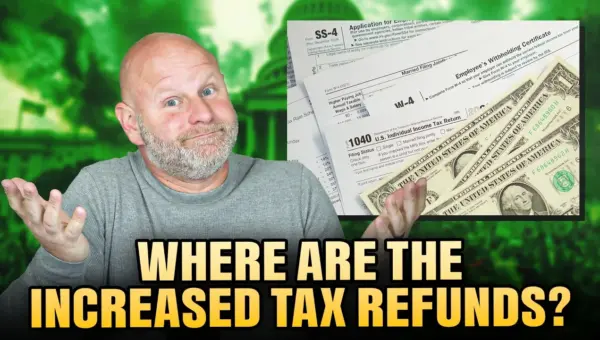
Tax Refund Hype Fizzles, Americans Feel the Pinch
Americans are expressing anger over tax refunds that don't match the promises made. While average refunds increased slightly, soaring costs for gas, food, and other essentials mean most people feel poorer. Public approval for tax handling has dropped significantly.

Trump’s Economy: Vegas Gamble or Real Recovery?
President Trump's economic message faces headwinds as polls show most Americans feel the economy is struggling, despite stock market highs. A "K-shaped" economy and global conflicts like the Iran war add to the challenges. Meanwhile, debates rage over accountability in Congress and shifting US public opinion on foreign policy.