Trump Sends Negotiators to Pakistan for Iran Talks
President Trump announced Sunday that U.S. negotiators are heading to Pakistan for talks with Iran regarding a potential deal. The announcement followed a strong statement from Trump condemning Iran's actions in the Strait of Hormuz and issuing an ultimatum regarding its nuclear program.

Trump Dispatches U.S. Team to Pakistan for Iran Negotiations
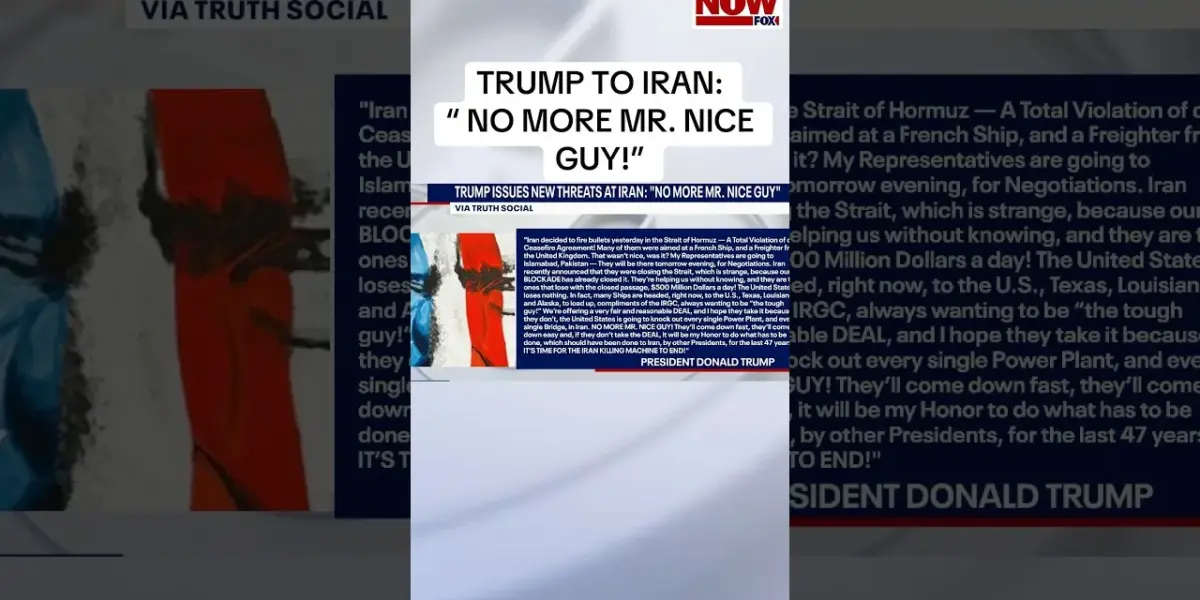
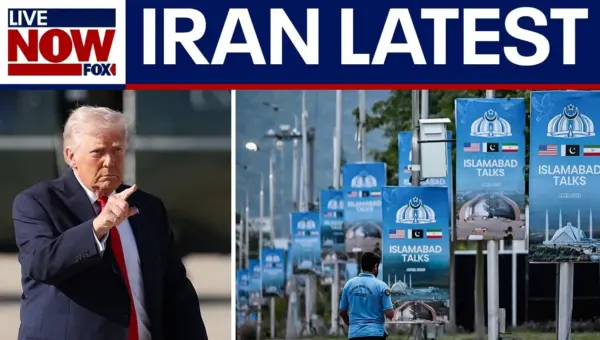
President Donald Trump announced Sunday that U.S. negotiators would travel to Islamabad, Pakistan, Monday evening for talks with Iran. The announcement came via a lengthy Truth Social post, detailing the president’s strong stance on recent events in the Strait of Hormuz and outlining the terms of a proposed deal with Iran.
Strait of Hormuz Incident and Accusations
In his post, President Trump stated that Iran had violated a ceasefire agreement by firing bullets in the Strait of Hormuz. He specifically mentioned that some of these shots were aimed at a French ship and a freighter from the United Kingdom. Trump characterized this action as a “total violation” and not “nice.”
Pakistan as a Negotiation Hub
The choice of Pakistan as the venue for these critical discussions highlights the country’s role in regional diplomacy. Trump’s representatives are set to arrive in Islamabad on Monday evening to engage with Iranian officials. This move signals a direct effort to de-escalate tensions and find a diplomatic solution.
Iran’s Claim and U.S. Counterpoint
Trump addressed Iran’s recent announcement about closing the Strait of Hormuz. He argued this claim was strange, as the U.S. blockade had already effectively closed the passage.
Trump asserted that Iran was “helping us without knowing” and would be the ones to lose financially from a closed passage, estimating a loss of $500 million per day for Iran. He contrasted this with the U.S., stating that the United States loses nothing, and in fact, many ships were heading to U.S. ports like Texas, Louisiana, and Alaska.
The Proposed Deal and Ultimatum
The president described the proposed deal with Iran as “very fair and reasonable.” He expressed hope that Iran would accept it. However, Trump issued a stark warning, stating that if Iran did not accept the deal, the United States would “knock out every single power plant and every single bridge in Iran.” He declared, “No more Mr. Nice Guy,” predicting that Iran would “come down fast” and “come down easy” under such pressure.
Trump added that it would be his “honor to do what has to be done,” suggesting this action should have been taken by previous presidents over the last 47 years. He concluded by stating, “It’s time for the Iran killing machine to end.”
Analysis of the Negotiation Stance
Commenting on the situation, one observer noted that the lengthy post could be narrowed down to three main themes. The most significant issue is negotiations, primarily focusing on the nuclear challenge. Latest reports suggest a deal might involve short-term sanctions relief or the release of frozen Iranian assets in exchange for highly enriched uranium.
Challenges in the Nuclear Deal
However, characterizing this as a full deal is seen as inaccurate by some, as it would essentially be a purchase of enriched uranium. The core challenge of Iran’s centrifuges and its ability to enrich uranium over the years is expected to remain a lingering issue. These developments often rely on reported information from outlets like Reuters, as the specifics of such covert negotiations are not publicly known.
What’s Next
With U.S. negotiators en route to Pakistan, the world will be watching closely to see if a diplomatic breakthrough can be achieved. The coming days will reveal whether Iran accepts the proposed terms or if President Trump follows through on his strong warnings.
Source: President Trump says U.S. negotiators will be in Pakistan Monday for talks with Iran. #news #trump (YouTube)

Related Articles

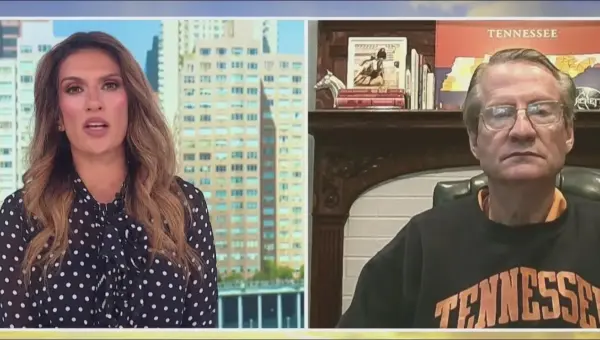
Congressman Calls Iran’s Regime ‘Demonic’ Amid Tensions
Congressman Tim Burchett described Iran's regime as "demonic" and "savage" during a recent interview. He expressed strong concerns about Iran's nuclear ambitions and the effectiveness of current international alliances. Burchett believes the regime represents a small portion of the Iranian people and that it will eventually fall.

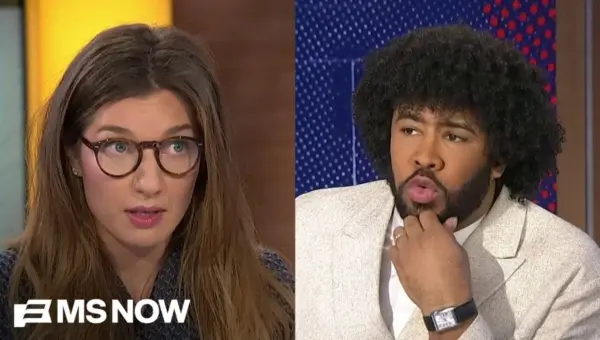
Trump Taps Kushner, Witkoff for Iran Talks; Vance Out
President Trump has appointed Jared Kushner and Steve Witkoff to lead U.S. peace talks with Iran, excluding Vice President J.D. Vance due to security concerns. The negotiations aim for Iran to permanently abandon nuclear weapons, though specific U.S. concessions remain undisclosed. China's role in supporting Iran and its influence on the talks were also discussed.
US Talks with Iran Set Amid Tensions, Ceasefire Nears End
US negotiators are heading to Pakistan for talks with Iran as a critical ceasefire nears its April 22nd expiration. Iran has stated it is not ready for direct talks, citing US "maximalist demands." The situation is complicated by conflicting messages, internal Iranian power dynamics, and President Trump's strong rhetoric.