Buttigieg Connects with Red State Voters on Shared Values
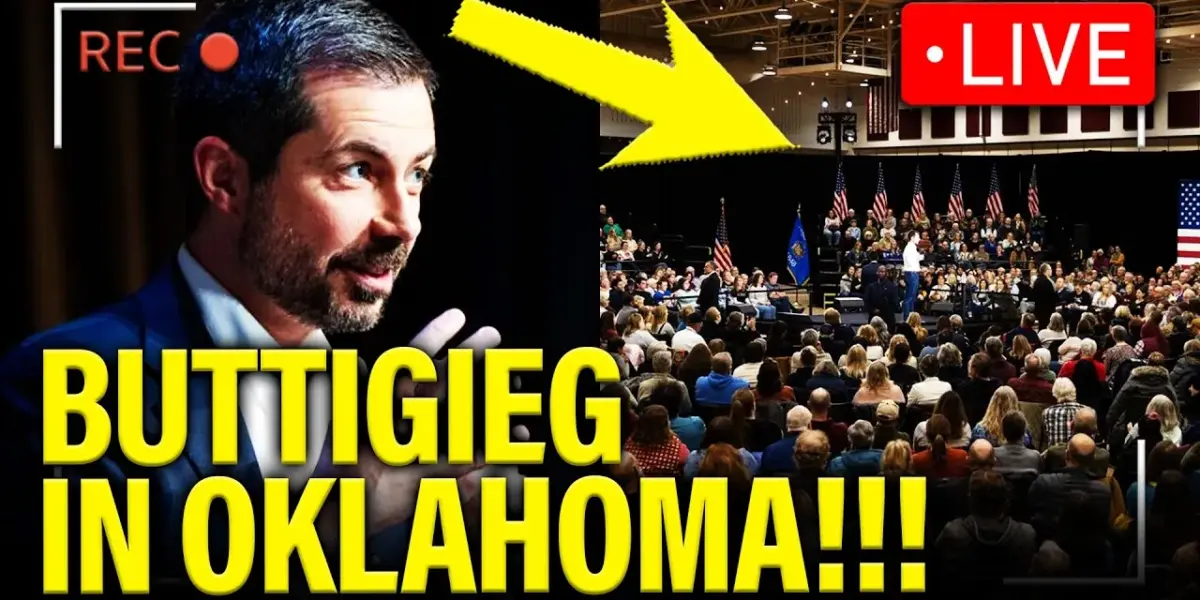
Pete Buttigieg held a town hall in a red state, seeking common ground with voters outside the Democratic party. He focused on shared concerns like rising prices, economic fairness, and basic rights, arguing that many Americans agree on fundamental values. The discussion covered a range of issues, from healthcare and taxes to LGBTQ+ rights and the media's role, emphasizing a vision for rebuilding the country on new terms.

Buttigieg Connects with Red State Voters on Shared Values
Pete Buttigieg recently held a town hall event in a state often considered politically conservative. He spoke directly to people who might not typically vote for Democrats. Buttigieg aimed to find common ground by focusing on issues that affect everyday Americans, regardless of their political party.
He acknowledged that some attendees might be there for reasons beyond traditional party lines. They could be concerned about rising gas and diesel prices, which have gone up despite promises they would fall. Others might be bothered by what they see as corruption or a system where money talks loudest, like a “million-dollar entry fee to a millionaires club.” These issues, he suggested, go beyond left versus right.
Concerns Beyond Politics
Buttigieg also touched on deeper moral and ethical concerns. He mentioned how some Christians feel their faith has been disrespected by political actions.
He also spoke to those who voted for a candidate based on a promise to avoid foreign wars, recalling the personal cost of military service. These points aimed to resonate with people feeling let down or alienated by current politics.
He stressed that he wasn’t just there to point out problems. Buttigieg wanted to start a conversation about solutions and what a better future could look like. He believes many people share a vision for the country, even if they don’t agree on every detail.
Shared Aspirations for the Country
The core of his message was about shared American values. Buttigieg stated that many people believe healthcare is a right and should be accessible to everyone.
He also suggested that one job should be enough to live on in America. A strong belief in well-funded public schools and a fairer tax system, where corporations and the wealthy pay their share, also came up.
He reminded the audience that believing in equality for all, regardless of who they are or whom they love, is a common sentiment. He also highlighted the importance of trusting women to make their own healthcare decisions. Buttigieg urged people not to feel alone in these beliefs, emphasizing they are part of a larger American majority.
Addressing Political Inertia and Fear
During the question-and-answer session, a constituent asked why some elected officials seem unwilling to stand against a president they know is doing wrong. Buttigieg suggested a mix of reasons, including fear for their safety and political job security. He noted that some politicians seem to find their conscience only when they are no longer running for office.
He argued that elected officials can be influenced by public pressure. Citing examples like the Epstein files and battles over the Affordable Care Act, Buttigieg showed how public outcry can force action. He also recounted a situation in Indiana where legislators changed their minds on gerrymandering after public pressure, proving that citizens can impact decisions even before election day.
Economic Fairness and a Progressive Tax System
A teacher asked about a flat tax, expressing frustration that she pays more in taxes than CEOs. Buttigieg explained his support for a progressive income tax.
This system, he said, asks those who can afford more to contribute a larger percentage of their income. He agreed that the current system is unfair when the wealthiest often pay less in taxes than working people.
He clarified that a flat tax, while sometimes seen as simple, can become unfair if it means the rich pay less than others. Buttigieg believes that those who benefit most from the economy should contribute more to its upkeep. This approach, he argued, helps ensure the system works for everyone.
Protecting LGBTQ+ Rights
Another question came from someone worried about the safety of their transgender loved one. Buttigieg acknowledged the fear and stated that such discrimination and harm should not happen. He believes most Americans do not support discrimination against LGBTQ+ individuals, despite how some politicians use these issues to divide people.
He called the focus on certain cultural issues a distraction from more important matters, like healthcare costs or foreign policy. Buttigieg affirmed that political leadership should oppose discrimination. He also reminded the questioner that the support of loved ones is crucial for those in vulnerable positions.
The Role and Trust of the Media
A local journalist expressed alarm over attacks on the media and the erosion of public trust. Buttigieg firmly stated that the press is never the enemy of the American people. He contrasted the current administration’s approach with how legitimate news outlets operate, emphasizing their adherence to ethical standards and willingness to correct errors.
He worried about a media environment where online voices can have the same reach as professional journalists. Buttigieg stressed the need to distinguish between professional reporting and unverified online claims. He called for journalists who make people think, rather than just reinforcing existing opinions.
Rebuilding and Moving Forward
When asked about rebuilding the country after perceived damage, Buttigieg warned against simply returning to the past. He suggested that the current moment offers a chance to build systems on new terms. He used examples like the Department of Education and international aid programs, arguing that while their destruction is wrong, they can also be improved.
He pointed out that the existing systems, under both Republican and Democratic administrations over the last 40-50 years, have led to increased inequality and debt. Buttigieg concluded that the goal is not just to fix what’s broken, but to build something better, rooted in improving everyday life for all Americans.
Global Leadership and Health
The conversation turned to America’s role in global health leadership. Buttigieg emphasized the need to restore funding for programs fighting diseases like HIV/AIDS and tuberculosis. He noted that trust in the U.S. is taking time to rebuild, and some research suggests China is gaining more global trust, which should concern Americans.
He explained that global health is in America’s interest because problems abroad can eventually affect the U.S. He drew parallels between 9/11 and COVID-19, showing how distant events can have profound impacts at home. Therefore, addressing global issues proactively is both the right thing to do and a matter of national security.
Why This Matters
Buttigieg’s town hall highlights a strategic approach to political outreach. By focusing on shared values and everyday concerns rather than divisive party politics, he aims to build broader coalitions. This method is particularly relevant in a time of deep political polarization, suggesting that common ground can still be found.
The discussion touches on crucial issues like economic fairness, healthcare access, and the role of government. It also addresses the importance of a free press and the rights of marginalized communities. These are not just policy debates; they are fundamental questions about the kind of society Americans want to live in.
Implications and Future Outlook
The success of this messaging in diverse areas will be key for future Democratic campaigns. If voters in traditionally conservative areas respond to appeals based on shared values and practical concerns, it could reshape electoral maps. This strategy also pushes back against the idea that politics is solely about partisan identity.
The emphasis on rebuilding not just to restore, but to innovate, suggests a forward-looking political vision. It acknowledges that past systems may not be adequate for current challenges. The focus on global health leadership also points to a renewed understanding of interconnectedness and shared responsibility in a globalized world.
Historical Context
Buttigieg’s approach echoes historical efforts to find common ground across party lines. The idea of appealing to a broad majority based on fundamental principles is a recurring theme in American political history. His discussion of a fairer tax code and worker’s rights also connects to long-standing debates about economic opportunity and the distribution of wealth.
His comments on LGBTQ+ rights reflect the significant social changes of recent decades. While progress has been made, the backlash seen in legislative efforts highlights ongoing societal tensions. The conversation about the media’s role and trust also has deep historical roots, dating back to the founding of the nation and the importance of an informed citizenry.
The town hall concluded with a sense of ongoing dialogue, emphasizing that real change requires sustained engagement. The next steps involve translating these conversations into action, whether through voting, advocacy, or continued community organizing.
Source: LIVE: Pete Buttigieg BRINGS DOWN The House in RED STATE!! (YouTube)

Related Articles

Dem Strategist Offers ‘Third Way’ to Bridge Political Divides
Democratic strategist Lanny Davis proposes a "Third Way" to overcome intense political division in America. In his new book, he urges Democrats to find common ground with Trump voters by listening and respecting differences, rather than resorting to shame or labels. Davis believes this approach, inspired by the Clinton era, can lead to more effective governance and a less polarized nation.

Buttigieg Spars With MAGA Host Over Iran War Claims
Transportation Secretary Pete Buttigieg and a MAGA host clashed over Iran's nuclear program and the justification for military action. The debate highlighted differing views on presidential credibility and American strength.

Buttigieg Questions Trump’s Shifting Stance on Iran Deal
Pete Buttigieg questions Donald Trump's evolving demands on Iran, contrasting initial calls for "unconditional surrender" with later ambiguity. The discussion revisits the effectiveness of the Obama-era Iran nuclear deal, with Buttigieg arguing it was undermined by Trump's withdrawal.