Trump’s Claims Crumble Amid War and Court Setbacks
Donald Trump's claims about international deals and national security face scrutiny amid war escalations and court losses. Legal challenges, including a blocked ballroom construction and a potential $10 billion taxpayer settlement, raise questions about accountability and priorities.

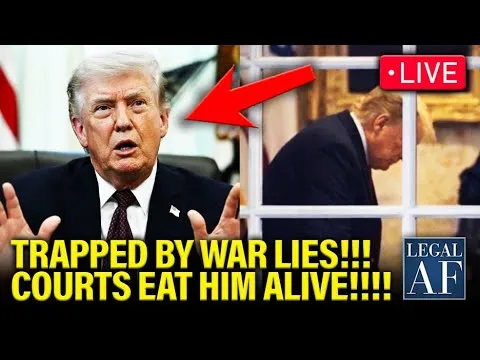
Trump’s Claims Crumble Amid War and Court Setbacks
Donald Trump’s recent statements about international agreements and court rulings face serious questions. As Congress returns, discussions about invoking the 25th Amendment for Trump’s cognitive and physical health are growing louder. Simultaneously, a key figure from his administration, Russ Vought, testified about actions potentially deemed criminal during Trump’s presidency.
One striking example of Trump’s legal troubles involves a federal judge’s repeated block on constructing a ballroom. Trump had claimed the ballroom was a matter of national security, essential for his protection from missiles and drones. However, a court clarified that while a bunker for security might be permissible, the ballroom itself is not a national security threat.
War Declarations and Diplomatic Disconnects
The situation in Iran highlights a significant disconnect between Trump’s pronouncements and reality. Trump claimed a deal was reached, stating Iran agreed to stop funding proxy groups and that American and Iranian militaries would cooperate. He also asserted that Iran would allow the U.S. to possess its nuclear materials and that the Strait of Hormuz was fully open.
However, independent tracking data and Iranian statements contradict these claims. Ships were not leaving the Strait of Hormuz freely, and Iran maintained control, planning to charge tolls and not relinquish uranium. This pattern of making bold, unsubstantiated claims is a recurring theme in Trump’s approach to both domestic and international affairs.
Legal Battles and Taxpayer Money
Adding to the complexities, Trump is involved in a $10 billion lawsuit against the government over a past data breach of tax returns. Filings indicate settlement talks are underway, potentially leading to Trump being paid billions of taxpayer dollars. This occurs while many Americans struggle with rising costs for essentials like rent, cars, and groceries.
The transcript suggests this situation is a prime example of Trump’s self-serving tactics. His approach to negotiation is described not as a give-and-take but as an act of dominance. This strategy, characterized by constant lies and shifting positions, makes reaching resolutions incredibly difficult.
Ballroom Blunder and National Security Claims
The ongoing dispute over the ballroom construction highlights a pattern where Trump appears to equate his personal interests with national security. His argument that the ballroom is vital for his safety against ballistic missiles and drones seems to stretch the definition of national security.
This argument mirrors his claims about the Strait of Hormuz being open when evidence suggests otherwise. The speaker expresses frustration, feeling that such arguments treat the public as unintelligent and demand a return to factual reporting over fabricated realities.
Testimony and Accountability
During testimony, figures like Russ Vought, former Director of the Office of Management and Budget, struggled to provide clear answers. When asked about the cost of the war in Iran, Vought could not offer an estimate, despite it being central to his role.
Discussions around the 25th Amendment, which allows for the removal of a president deemed unfit, have gained traction. Some Republicans, surprisingly, have echoed concerns about Trump’s mental stability, suggesting a growing unease even within his political base.
Project 2025 and Budgetary Discrepancies
Project 2025, an initiative associated with conservative policy proposals, is also under scrutiny. Russ Vought, a key architect of this project, testified about budget requests, including a massive $1.5 trillion for defense spending, the largest increase since World War II.
The transcript highlights a stark contrast: immense funds are allocated for defense and military actions, while essential social programs like healthcare and education face cuts. This raises questions about national priorities and the allocation of taxpayer money.
Pam Bondi’s Deposition Dodge
Former Attorney General Pam Bondi is reportedly avoiding a deposition related to the Epstein files. Democrats have sent a strong letter to the House Oversight Committee chair, accusing Bondi of hiding from testimony.
Bondi was subpoenaed but refused to appear, claiming she is no longer the Attorney General. Critics argue that her willingness to testify should stem from confidence in her actions, suggesting her refusal indicates something to hide regarding the Epstein case cover-up.
Why This Matters
The events discussed reveal a pattern of questionable claims, legal challenges, and potential misuse of public funds. Trump’s assertions about foreign policy and national security appear to be contradicted by available data, while his legal entanglements raise concerns about accountability and the use of taxpayer money.
The testimony of officials like Russ Vought, combined with the ongoing legal battles, suggests a need for greater transparency and adherence to established legal and diplomatic norms. The contrast between defense spending and social program cuts also points to significant policy debates about national priorities.
Implications and Future Outlook
The persistent legal challenges and the alleged discrepancies in Trump’s public statements create an environment of uncertainty. His approach to negotiations and conflict resolution, characterized by aggressive rhetoric and questionable claims, may hinder future diplomatic efforts.
The focus on the 25th Amendment and the scrutiny of figures like Russ Vought indicate a political climate where questions of presidential fitness and governmental accountability are at the forefront. The outcome of these legal and political battles will likely shape future discussions on presidential powers and oversight.
Historical Context
The use of the 25th Amendment, while rare, has been discussed in previous presidencies when concerns about a president’s health arose. Similarly, allegations of fraud and financial impropriety have followed Donald Trump throughout his business and political career.
The Epstein case has a long and disturbing history, involving powerful individuals and allegations of widespread abuse. Any perceived cover-up or lack of transparency in its investigation draws significant public and congressional attention, as seen with Pam Bondi’s situation.
Conclusion
As these legal and political narratives unfold, the public is left to weigh conflicting accounts and scrutinize the actions of public figures. The claims made by Donald Trump, the responses from the courts, and the testimonies of former officials all contribute to a complex picture of the current political and legal landscape.
The situation demands a commitment to truth and accountability, with upcoming legal proceedings and congressional investigations expected to shed further light on these matters.
Source: LIVE: Trump CRIPPLED by WAR and COURT LOSSES!!! | Legal AF (YouTube)

Related Articles
Rogan’s White House Visit Sparks Debate on Trump’s Political Standing
Joe Rogan's appearance at a White House event signing an executive order with Donald Trump sparks debate. Despite Rogan's past criticisms of Trump's administration, his presence suggests a complex political maneuver. The analysis explores Trump's declining poll numbers, his perceived cognitive state, and the broader implications for the Republican party.
Pope’s ‘Flame War’ Ignites Debate: Faith vs. Politics
A recent "flame war" between the Pope and President Trump has sparked debate on religious leaders' political involvement. While some see the Pope's words as a spiritual call, others view his follow-up tweets as direct political attacks. This raises questions about faith, politics, and the boundaries of religious authority.
Pope Condemns Trump’s War, Draft Fears Rise
The Pope has publicly condemned Trump's potential war and the idea of a military draft, urging for peace. Meanwhile, Republicans face voter anger over the conflict, with many avoiding town halls. Concerns are rising about the war's origins, strategy, and the potential return of conscription, highlighting the importance of the upcoming elections.