Hulk’s Forgotten MCU Gem Gets Major MCU Revival
Revisiting 2008's The Incredible Hulk reveals its surprising importance to the MCU's future. Characters and plot points from the Edward Norton-led film are proving crucial as the universe heads towards Avengers: Doomsday and Secret Wars, with its themes of cosmic threats and character development resonating deeply.

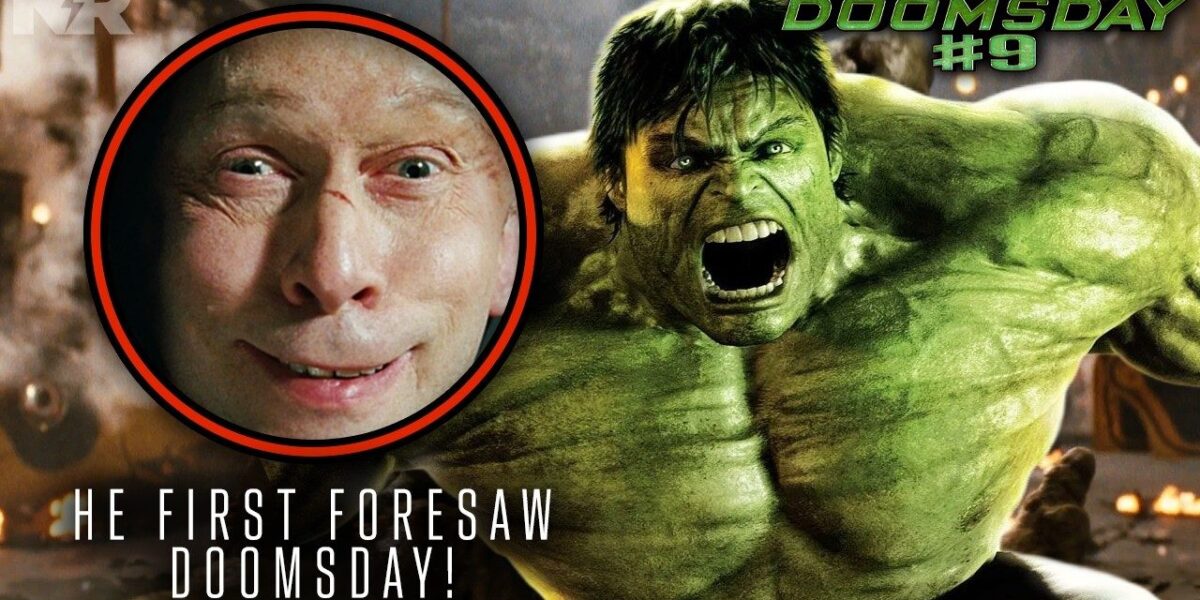
Hulk’s Forgotten MCU Gem Gets Major MCU Revival
In the ever-expanding tapestry of the Marvel Cinematic Universe, some films, despite their initial impact, tend to fade into the background. 2008’s The Incredible Hulk, starring Edward Norton as the conflicted Bruce Banner, often falls into this category. However, a recent deep dive into the film reveals that Marvel Studios has been far from forgetting this entry. In fact, it’s become a surprising wellspring of characters and plot points that have been ingeniously woven into the fabric of the MCU’s ongoing saga, particularly as the universe hurtles towards the monumental Avengers: Doomsday and Secret Wars.
The Unseen Threads Connecting Hulk to the MCU’s Future
While many fans might recall The Incredible Hulk as a standalone chapter, its legacy is proving to be far more enduring than initially perceived. Characters like General Thaddeus “Thunderbolt” Ross (initially William Hurt, later hinted at with Red Hulk and confirmed for Captain America: Brave New World with Harrison Ford), Emil Blonsky aka Abomination (Tim Roth), and Samuel Sterns aka The Leader (Tim Blake Nelson) are all making or have made significant returns. Even Betty Ross, portrayed by Liv Tyler, is slated to reappear in 2025’s Captain America: Brave New World, directly linking back to this 2008 film.
Perhaps the most intriguing connection is the foreshadowing of cosmic threats. Samuel Sterns, as the enigmatic “Mr. Blue,” appears to have been the first to predict a “Doomsday” scenario within the 616 universe. His chilling monologue about “probabilities” and the potential for “others” to threaten Earth hints at the multiversal dangers that will define the MCU’s future phases. This revelation positions The Incredible Hulk not just as a character study, but as an early warning system for the grander conflicts to come.
Revisiting a Cohesive, If Safe, Hulk Story
Directed by Louis Leterrier and written by Zak Penn, The Incredible Hulk was released on June 13, 2008, distributed by Universal Pictures. This distribution deal is a key reason why the film can sometimes be elusive on streaming platforms, as it predates Disney’s acquisition of Marvel Studios. The film aimed for a more grounded and linear narrative compared to Ang Lee’s more experimental 2003 adaptation. While some critics found it “safe” for a Hulk story, its coherence and focus on character-driven plotlines resonated with many.
Edward Norton’s portrayal of Bruce Banner was praised for its intensity and vulnerability. The film’s narrative follows Banner’s desperate search for a cure while on the run from General Ross, all while trying to control the uncontrollable rage of the Hulk. The introduction of Betty Ross as his scientific colleague and girlfriend, played by Liv Tyler, added a crucial emotional anchor. The supporting cast, including William Hurt as the determined General Ross and Tim Roth as the formidable Emil Blonsky, provided strong performances that added weight to the unfolding drama.
A Deep Dive into the Film’s Nuances and Connections
The film’s opening credits offer a stylized recap of Bruce Banner’s origin, setting a tone that balances exposition with action. The narrative picks up with Banner living in Rio de Janeiro, attempting to suppress his Hulk persona through meditation and martial arts. His secret communication with “Mr. Blue” (Samuel Sterns) for a potential cure highlights his isolation and desperation. A pivotal moment occurs when a lab accident contaminates his blood, leading to a fatal outcome for an unsuspecting victim, which in turn alerts General Ross to his location.
The pursuit leads to the introduction of Emil Blonsky, a soldier enhanced with a variation of the Super Soldier Serum. This plot point directly ties into the MCU’s overarching theme of super-soldier programs, a concept central to Captain America’s origin. The film cleverly integrates elements like Stark Industries’ sonic cannon technology, further cementing its place within the burgeoning MCU.
Key sequences include the intense chase through the favelas, Banner’s transformation into the Hulk, and the subsequent reunion with Betty Ross at Culver University. The campus battle, featuring military vehicles and a confrontation with Blonsky, showcases the Hulk’s raw power. The film also includes notable cameos, such as Martin Starr as a pizza-eating bystander and John Campia in military fatigues, adding layers of fan service.
The journey culminates in New York, where Samuel Sterns is revealed as “Mr. Blue.” Blonsky, seeking more power, injects himself with Banner’s blood, transforming into the monstrous Abomination. This event, while leading to Sterns’s own transformation into The Leader, sets the stage for the climactic battle in Harlem. The iconic “Hulk Smash” and the use of sonic cannons against Abomination provide a cathartic release, with the final shot of the Abomination’s chest scar serving as a lasting reminder of the conflict.
The Unlikely Legacy and Future Implications
What makes The Incredible Hulk particularly fascinating is Marvel Studios’ persistent effort to integrate its elements into the larger MCU narrative. The post-credits scene, where Tony Stark approaches General Ross, initially seemed like a simple setup for future team-ups. However, later revealed through the Marvel One-Shot “The Consultant,” it was a strategic maneuver by S.H.I.E.L.D. to prevent Ross from forming a team that included the Abomination.
The film’s impact is most evident in Captain America: Brave New World, which is effectively a direct sequel to this 2008 film, focusing heavily on Thunderbolt Ross and his transformation. This deliberate callback underscores Marvel’s strategy of mining its lesser-known films to enrich its current storytelling, potentially elevating them in the audience’s memory.
The presence of The Leader, played by Tim Blake Nelson, in Captain America: Brave New World is a significant development, directly linking back to his role as Mr. Blue. His prediction of an “incursion” event further solidifies The Incredible Hulk as a crucial piece of the puzzle leading to multiversal threats like those anticipated in Doomsday and Secret Wars.
While Edward Norton’s Bruce Banner was eventually recast with Mark Ruffalo, the narrative groundwork laid in 2008 remains. The film’s exploration of Banner’s reluctance to transform and the emotional toll it takes on him provides a complex character arc that continues to inform the MCU’s portrayal of the Hulk. Despite the challenges in giving Hulk his own dedicated film franchise, Marvel Studios has consistently found ways to keep the character and his related lore relevant, often by weaving his story into other heroes’ narratives.
The re-examination of The Incredible Hulk reveals it to be more than just a forgotten chapter; it’s a foundational text for understanding the MCU’s grander designs, a testament to Marvel’s long-term planning and its ability to find lasting value in every corner of its cinematic universe.
Production Insights and Legacy
The development of The Incredible Hulk was a nuanced process. Producer Gale Anne Hurd described the film as a “reboot-sequel,” a portmanteau reflecting its position as both a continuation and a fresh start from Ang Lee’s film. Kevin Feige emphasized the desire to move beyond the origin story, assuming audience familiarity, and to firmly establish the Hulk within the MCU continuity. Zak Penn’s script, which drew from earlier drafts and aimed for a tone similar to the Bruce Jones comic run, incorporated elements like Banner’s transformation after falling from a helicopter and his inability to connect intimately with Betty Ross.
Edward Norton’s involvement was significant, not only as an actor but also as a writer who contributed to the screenplay. This collaborative approach, while yielding a cohesive film, also led to the WGA crediting the script solely to Penn. The film’s unique status as a Universal-distributed Marvel Studios production highlights a period of strategic partnerships before Disney’s full acquisition, allowing for creative freedom that has since become a rich source for ongoing MCU narratives.
Source: THE INCREDIBLE HULK (2008) REVISITED | Road to Doomsday Episode 9 (YouTube)

Related Articles
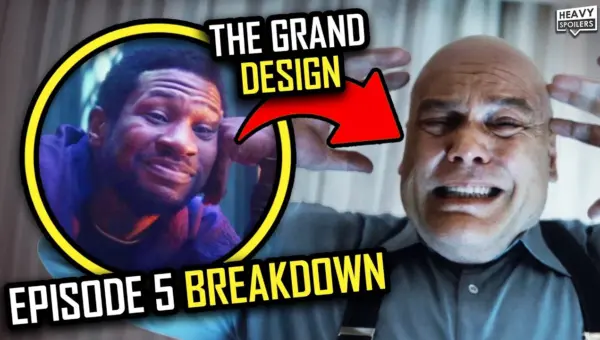
Vanessa Fisk Dies, Kingpin Unleashed in Daredevil Episode 5
Vanessa Fisk tragically dies in "The Grand Design," the fifth episode of Daredevil: Born Again season 2. Her death unleashes a vengeful Kingpin, while flashbacks explore the 'grand design' of emotional choices that shape the MCU.

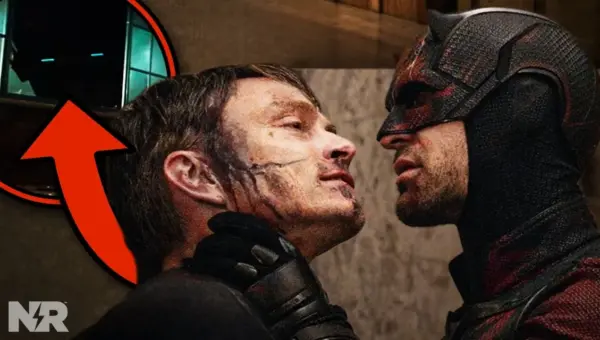
Vanessa’s Fate Revealed in Daredevil’s Shocking Episode!
Vanessa Fisk's fate is revealed in the latest shocking episode of Daredevil: Born Again. The installment delves into character backstories, explores themes of destiny, and leaves fans questioning the grand design behind the unfolding events.

Spider-Man’s New Era: Emotional Depth and Shocking Revelations Emerge
Sony's CinemaCon presentation unveiled exclusive footage for 'Spider-Man: Brand New Day,' hinting at a more emotional and mature story for Peter Parker. The scene reveals Peter's isolated life post-'No Way Home,' his friend Ned's investigation into Spider-Man's identity, and MJ's rejection of a mysterious corporation, sparking theories about new villains and plot twists.