Bieber Catalog Sale Conspiracy Crumbles
A viral conspiracy theory claiming Justin Bieber was forced into karaoke performances after selling his music catalog has been debunked. Experts confirm such restrictive clauses are not part of typical music rights deals. The sale benefits from, rather than restricts, artist visibility.

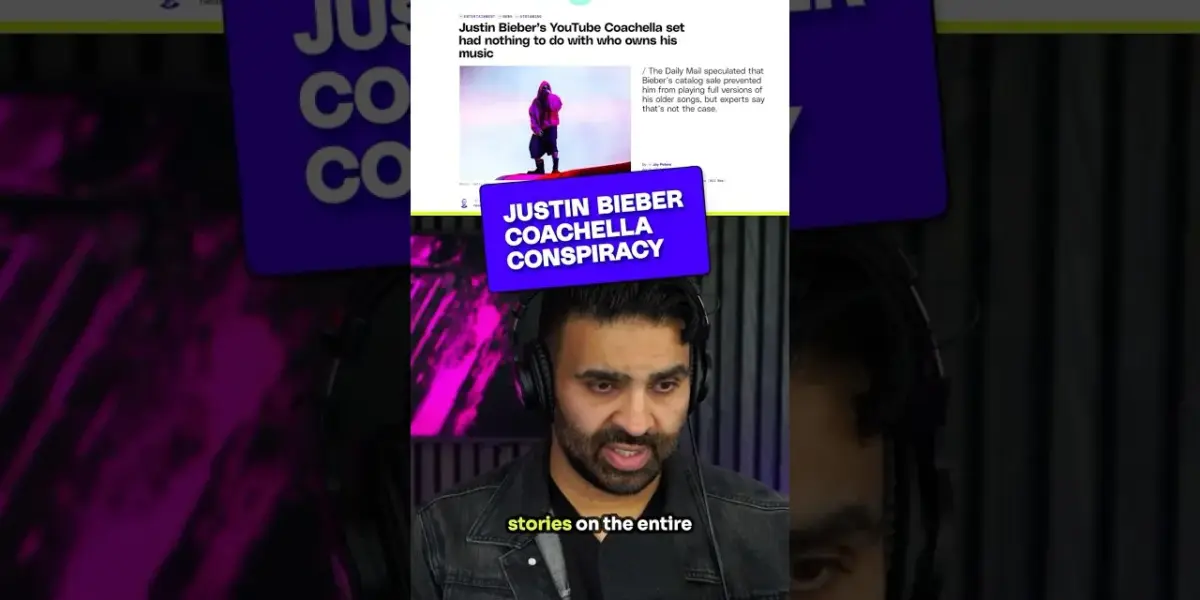
Justin Bieber’s Catalog Sale: Conspiracy Theory Debunked
A wild conspiracy theory about Justin Bieber’s music catalog sale has been put to rest. The internet buzzed with claims that Bieber had to perform his old songs in a karaoke style for YouTube.
This, the theory suggested, was a condition after selling his music rights for hundreds of millions of dollars to private equity firms. However, this story has been thoroughly investigated and debunked.
The reality is far more straightforward and less dramatic. Experts and reporting confirm that no such restrictive clauses exist in music catalog sales.
Such deals are complex, involving sophisticated legal teams on all sides. The idea of an artist being forced into a public, almost embarrassing, performance to validate their own work is simply not how these transactions work.
When artists sell their music catalogs, they typically do so for financial reasons. This allows them to receive a large sum upfront. It also provides liquidity for further investments or projects.
The buyers, often investment groups, are looking for assets that generate ongoing revenue. They are happy when the artist’s music continues to be popular and visible.
In fact, increased visibility for the artist’s music is beneficial for the catalog’s value. If Justin Bieber’s songs are played more, whether on YouTube, streaming services, or in live performances, the revenue generated increases.
This directly benefits the new owners of the catalog. Therefore, they would actively encourage, not restrict, such activities.
The initial reporting on this conspiracy theory gained significant traction online. It highlights how easily misinformation can spread today.
Many people were fascinated by the outlandish idea, perhaps due to its sensational nature. The detailed debunking article provided clarity and factual reporting.
The popularity of the debunking story on the website shows a public appetite for truth. Readers want to understand the facts behind viral rumors.
It demonstrates the value of good journalism in cutting through the noise. Providing accurate information is crucial, especially when dealing with high-profile figures and large financial transactions.
Who Should Care?
Music industry enthusiasts and fans interested in artist finances will find this clarifying. Anyone who encountered the original conspiracy theory might be curious about the truth. It also is a reminder to approach sensational online claims with a healthy dose of skepticism.
Specs & Key Features (N/A for this story)
This story does not involve a specific product with technical specifications. It focuses on debunking a rumor related to a financial transaction and music rights management.
Availability & Pricing (N/A for this story)
Information regarding the specific terms, exact price, or availability of Justin Bieber’s catalog sale is not detailed in the provided transcript. The article focuses on debunking the related conspiracy theory, not on the financial specifics of the deal itself.
The debunked theory suggested a peculiar YouTube performance requirement. This condition was supposedly tied to the sale of Bieber’s extensive music catalog.
The sale itself involved hundreds of millions of dollars. It was acquired by private equity investors.
Legal experts and industry insiders confirm the absurdity of such a clause. Every major deal of this magnitude involves thorough legal review.
Lawyers ensure that the terms are clear and beneficial to all parties involved. The idea of a forced, demeaning performance is legally and practically unsound.
The value of a music catalog is directly tied to its performance and reach. When an artist like Bieber remains active, it boosts the catalog’s revenue streams.
Buyers of these catalogs are motivated by potential future earnings. They want to see the music continue to be heard and enjoyed by fans.
The original reporting that debunked the theory included detailed quotes and facts. This thorough approach is what good journalism strives for.
It provides readers with reliable information. It helps to counter the spread of unsubstantiated rumors that gain traction online.
The continued interest in this debunked story highlights a public fascination with celebrity finances. It also shows how quickly misinformation can spread and take hold.
The work done to present the facts is a service to those seeking clarity. It reminds us to critically evaluate the information we consume daily.
Ultimately, the story is a case study in modern rumor mills. It highlights the importance of fact-checking.
The narrative surrounding Justin Bieber’s catalog sale was a fabrication. The truth, as always, is more grounded in reality and standard business practices.
The debunking article is available on the site for those seeking the full details. Further reporting on music industry deals and artist finances is expected.
Source: Justin Bieber Coachella conspiracy debunked #Vergecast (YouTube)

Related Articles


Nick Cannon Gifts Anthony Hamilton His First Car
Singer Anthony Hamilton revealed on Club Shay Shay that Nick Cannon gifted him his very first car, a gold 1971 station wagon. Hamilton also shared his insights on managing money and his admiration for actors like Denzel Washington.


Bieber Confronts Comedian After “Hottest Lesbian Couple” Joke
Comedian Brad Williams shared a hilarious story on Club Shay Shay about Justin Bieber confronting him after a comedy set. Williams had joked about Bieber and Selena Gomez being "Hollywood's hottest lesbian couple." To his surprise, Bieber approached him after the show, and they had a friendly chat.


Fake Images Fuel Strait of Hormuz News: How to Spot AI
Many news outlets are using AI-generated images to cover the Strait of Hormuz, a vital oil and gas route. These fake pictures can mislead the public about real-world events. Experts suggest checking image sources, looking for logical errors, and using reverse image searches to spot fakes.