US Eases Russian Oil Sanctions, Sparking Outrage in Ukraine
The United States has extended a waiver allowing sanctioned Russian oil to flow, drawing sharp criticism from Ukraine and European allies. Kyiv views the move as a financial boon for Russia, potentially undermining efforts to end the war. The decision comes amid volatile global energy prices and raises questions about the effectiveness of international sanctions.

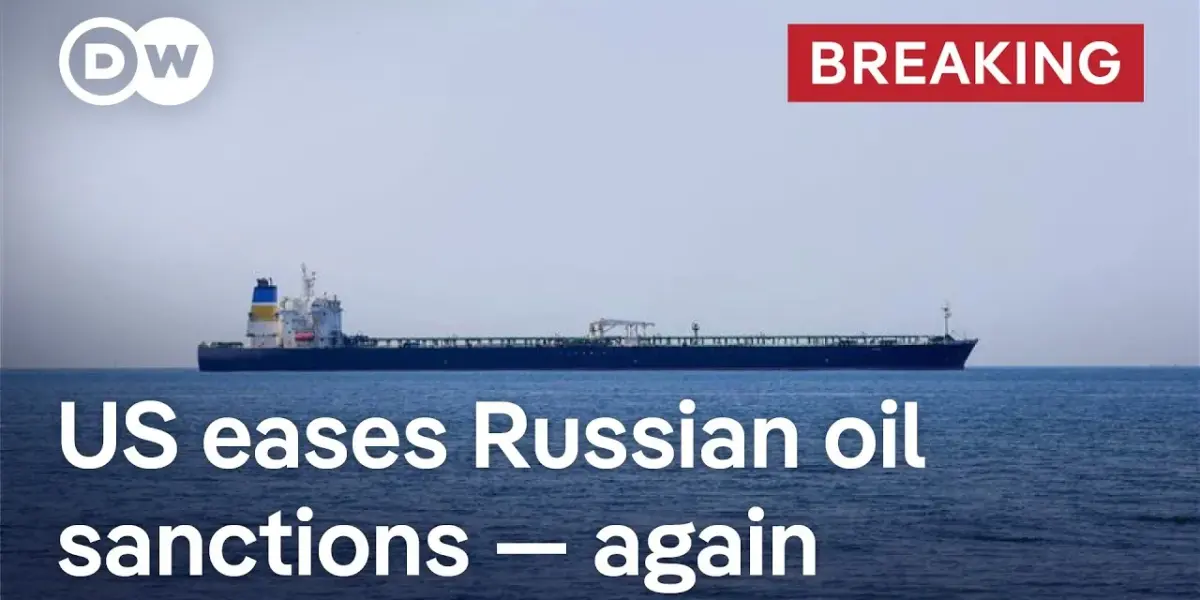
US Eases Russian Oil Sanctions, Sparking Outrage in Ukraine
The United States has once again extended a waiver allowing sanctioned Russian oil to continue flowing. This decision comes amid soaring global energy prices, partly driven by the war in the Middle East and ongoing tensions in the Strait of Hormuz.
The White House stated the waiver aims to stabilize prices, but critics in Kyiv and European capitals argue it provides a significant financial boost to Russia. This move raises serious questions about its impact on the war in Ukraine and transatlantic relations.
Kyiv Expresses Deep Disappointment
In Ukraine, the news of the extended waiver has been met with significant disappointment. Ukrainian officials have consistently argued that economic pressure on Russia is crucial for weakening its war effort.
They believe that easing sanctions only emboldens Moscow and reduces incentives for peace talks. The sentiment in Kyiv is that Ukraine needs more sanctions, not fewer, to gain an advantage.
Economists have estimated that Russia’s economy is either stagnant or declining due to sanctions. However, with the recent easing of some restrictions and a rise in global oil prices, Russia has seen an increase in export earnings.
Since the conflict in the Middle East began, Moscow is estimated to have gained around $10 billion from oil exports alone. Every dollar that flows into Russia’s coffers is seen as a direct blow to Ukraine’s ability to defend itself.
“The fact that sanctions against Russia have been partially eased plays into Russia’s interest and continuing the war. The Russians will earn at least $2 billion just this week from the easing of sanctions. This is dangerous for everyone.”
– Ukrainian President Volodymyr Zelenskyy
Ukraine Seeks Global Spotlight Amidst Middle East Conflict
Ukrainian President Volodymyr Zelenskyy has been vocal in his criticism, calling the waiver extension “dangerous for everyone.” He has also worked to keep the focus on the war in Ukraine, even as conflicts in the Middle East draw significant international attention. Ukraine has offered its expertise in countering Iranian-made drones, a tactic used extensively in the Middle East. This effort aims to show that Ukraine is a major player in modern warfare, not just a recipient of aid.
By sharing its experience in dealing with drone attacks, Ukraine seeks to deepen ties with European allies. This is particularly important as the US has been perceived as an inconsistent ally in their fight. The waiver extension could further strain relationships and create uncertainty about future support.
Economic Impact: A Reprieve for the Kremlin?
Benjamin Hilgentock, Director of the Center for Geoeconomics and Resilience at the Kyiv School of Economics, described the waiver extension as “unfortunate.” He explained that it allows Russia to export more oil and reduces the discount on its crude, thereby increasing export earnings and budget revenues. While the US administration argued the waiver doesn’t significantly impact global prices due to disruptions in the Persian Gulf, Hilgentock noted that the primary driver of Russia’s windfall is the soaring global energy prices, not just increased export volumes.
Hilgentock also challenged the argument that the waived oil was already produced and taxed. He pointed out the “second-round effect”: allowing this oil to be sold frees up capacity for Russia to produce and export more, ultimately benefiting its war budget. This move potentially undermines the core aim of sanctions, which is to starve Moscow of funds for its war effort.
Shifting Alliances and Sanctions Strategy
The decision to extend the waiver came as a surprise, especially after US Treasury Secretary Scott Bessant had indicated it would not be renewed. The rapid developments in the Middle East, including the opening and closing of the Strait of Hormuz, may have influenced this decision. This move could fundamentally weaken the economic pressure campaign against Russia, which was proving effective in early 2023.
At that time, Russia faced significant budget deficits due to low global oil prices and existing sanctions. Hilgentock suggested that if this pressure had continued, Russia might have been forced to reconsider its stance on ending the war. The duration of the Middle East conflict and the restoration of oil and gas flows from the Persian Gulf will be critical in determining whether this is a temporary reprieve for Russia or a more lasting fix to its economic problems.
Europe’s Response and Future Sanctions
The extension of the waiver complicates Europe’s efforts to further isolate Russia. While the EU has moved to provide significant financial support to Ukraine, new sanctions packages face hurdles. Measures that would restrict Russian oil on the global market, such as banning maritime services for Russian oil and gas shipments, are now difficult to implement amid current market conditions.
Europe has limited options to influence third countries like India and China regarding Russian oil, unlike the US, which can employ secondary sanctions. However, European countries are continuing their own efforts to phase out Russian oil and gas.
The recent positive outcome of the Hungarian election is expected to unlock crucial EU funding for Ukraine, providing budget support for the next two to three years. However, the question remains whether this financial aid will be matched by sufficient pressure on Russia to end the war.
Global Energy Market Volatility
The ongoing conflict in the Middle East has led to extreme volatility in oil prices. Prices surged to record highs, wavered during ceasefire talks, and have since dropped but remain elevated.
Experts warn that if the Middle East conflict continues for several more months, oil prices could reach $150 per barrel or higher. Even with a ceasefire, it will take months for global energy prices to return to pre-conflict levels due to damage to refineries and LNG facilities.
The price of Russian oil has also significantly increased, trading at times near $100 per barrel compared to below $40 in early 2023. This dramatic price increase presents a major challenge for efforts to exert economic pressure on Russia. The limited influence of European capitals and other global allies on US decisions regarding sanctions, particularly under the Trump administration, is a growing concern.
Looking Ahead
The coming weeks will be crucial in observing how the situation in the Middle East evolves and its subsequent impact on global energy markets. Continued diplomatic efforts and potential shifts in US policy will be critical in determining the future of sanctions against Russia and their effectiveness in influencing the course of the war in Ukraine. The ability of European nations to maintain a united front and implement further economic measures will also be closely watched.
Source: US eases Russian oil sanctions — again | DW News (YouTube)

Related Articles
Ukraine Drones Strike Russian Oil Terminals
Ukrainian forces are increasingly targeting Russian oil export terminals to cut off war funding. Meanwhile, economic woes deepen within Russia, with officials acknowledging negative GDP growth. Ukraine's drone warfare is evolving, allowing for strategic strikes on Russian infrastructure and demonstrating resilience.
Ukraine’s Drone Swarms Outwit Russia’s Air Defenses
Ukraine's 'Operation Spider Web' successfully used inexpensive drones to strike Russian nuclear-capable bombers. This covert operation, planned over 18 months, highlights Ukraine's innovative approach to warfare and its ability to achieve strategic objectives with limited resources.

Russia Faces Mounting Pressure, Allies Shift
Russia faces mounting pressure as battlefield casualties rise and key allies shift their stances. Hungary's new leadership has signaled a willingness to unblock crucial aid for Ukraine, while Russia's economy shows signs of strain. The conflict continues as a war of attrition with no clear end in sight.